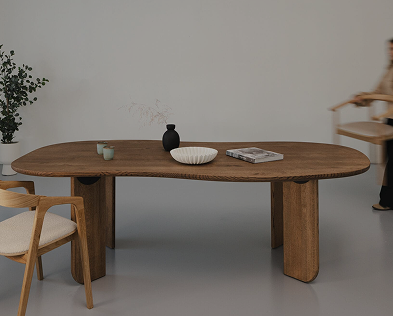
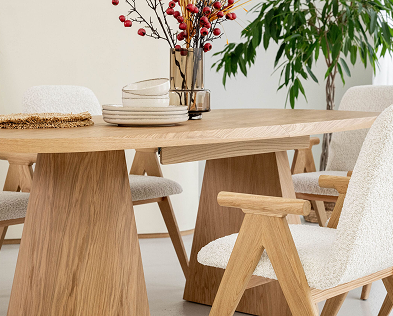
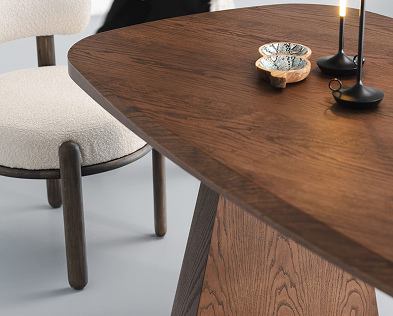
Japandi is fundamentally quite timeless because it is not about striking ‘fashion items’ but about calm shapes, natural materials, and a practical layout. The name Japandi has become more popular, but the core – minimalism, warmth, craftsmanship – has been loved for years and does not change quickly. What is trend-sensitive are some specific colors, fabrics, and accessories that often appear in Japandi looks.
Is Japandi timeless?
Yes, if you approach Japandi as a way of decorating: that is, with calm, quality, and natural materials. It only becomes less timeless if you make it too much “Pinterest Japandi” with very specific items that pop up everywhere during a single period.
Is Japandi a trend or will it stay beautiful?
The style remains beautiful when you choose a calm base and furniture with simple lines. Those kinds of choices age slowly. What is trendy is mainly the label and the exact execution (for example, a certain fabric or color that is suddenly seen everywhere).
Therefore, see Japandi as a foundation that you can easily work with. If the base is right, you can change details without your interior becoming “outdated.”
Which Japandi choices are truly timeless?
The most timeless Japandi choices are the elements that do not scream for attention, but do provide quality and calm in your space.
- Furniture with simple lines and calm proportions (not too many details, not too massive).
- Natural materials with a matte appearance, especially wood, wool, linen, and ceramics.
- A limited color palette with warm neutrals as a base (cream, sand, taupe, greige).
- Storage furniture that keeps your space tidy, so that calm is not dependent on being “perfectly neat.”
- Soft, layered light (multiple light points, preferably warm and dimmable rather than bright and cool).
If you want to make a timeless investment: keep your large furniture pieces calm, and then play with smaller things that are easy to replace.
Which Japandi items become dated quickly?
Anything that is very recognizably “of the moment” can feel dated faster. Not because it is bad, but because you suddenly see it everywhere and then less so again.
- Too much statement decor that mainly works for photos (many small vases, sets, stacks of accessories).
- Extreme contrast everywhere (for example, a lot of black as a dominant color instead of a subtle accent).
- Hype fabrics or very pronounced textures when used too extensively (for example, a very dominant trend texture as an eye-catcher).
- Too much of a mix of wood tones and materials without cohesion. That quickly feels like it was “haphazardly put together.”
A good check: would you still choose this item if you didn’t see it on social media? If the answer is “no,” it is probably more trend-sensitive.
How do I keep Japandi exciting without it becoming messy?
Visual interest in Japandi is not about more stuff, but about contrast and layers. You make it interesting with texture, a small color accent, and light, while keeping the base calm.
What often works well is working with one exchange point per season. For example, your cushions and throw, or an art print, or a vase with branches. Then the atmosphere changes without your entire interior becoming busy.
- Add one accent color and repeat it subtly in 2 to 3 places.
- Work with 3 textures in the same color family (linen, wool, ceramics) for depth.
- Use one striking object per zone, and keep the rest calm.
Can you easily adapt Japandi if your taste changes?
Yes, exactly. Japandi is a strong base style because it is neutral and calm. If you later want to move more towards modern, industrial, boho, or classic, you usually don’t have to replace your large furniture. You shift with colors, lighting, accessories, and sometimes one statement piece of furniture.
The easiest route is: keep your largest furniture pieces calm in color and shape, and then change the “layer on top” such as textiles, wall color, and accessories.
Which materials stay beautiful the longest?
Materials stay beautiful the longest if they are not only beautiful but also suit your household. If you have children, pets, or just a busy life, you want materials that can take a beating and are easy to maintain.
- Wood with a strong finish and a calm grain. That often ages beautifully and gains character rather than becoming ugly.
- Wool and sturdy weaves. These look rich and often stay neat for a long time, provided you maintain them well.
- Linen (look) and matte fabrics that are not too smooth. These provide warmth and are often more forgiving than shiny materials.
- Ceramics and stone-like materials with a matte texture. These feel timeless and are visually calm.
Important: rather choose quality for your “touch points” (tabletop, chairs, sofa fabric). Those are the places you use every day and therefore wear out the fastest.
How do you combine Japandi with other styles without a clash?
Combining works very well, as long as you stick to one base. Japandi works easiest as a foundation, and you add a second style as an accent. That way it remains calm.
A simple rule that often works: keep 70 to 80% Japandi in the base (colors, large furniture, materials) and add 20 to 30% of the other style via one or two elements, for example, lighting, art, or one statement piece of furniture.
- With industrial: choose one dark accent (metal) and keep the rest warm and matte.
- With modern: stick to clean lines, but make it softer with wool, linen, and warm light.
- With boho: choose natural materials, but limit prints and keep your color palette calm.
- With classic: add one classic element (for example, a shape or detail), but keep colors and materials Japandi-calm.
Want to keep inspiration within the same base style? Start with Japandi furniture and build up quietly from there.