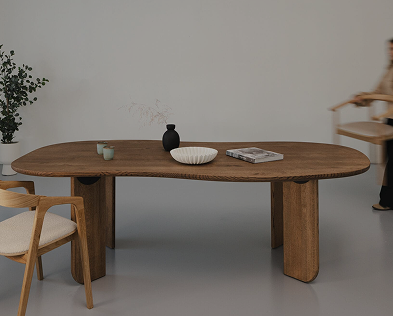
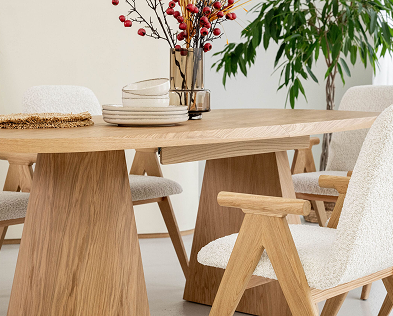
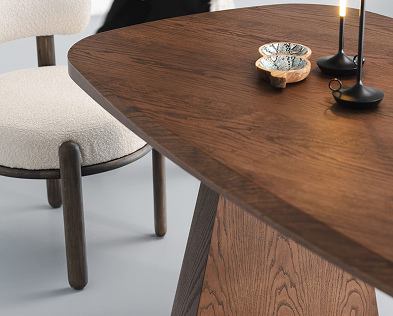
You create a Scandinavian interior by combining light, peace, and functionality with warmth. You start with a calm base (light colors and a logical layout), choose furniture with simple lines, and make it cozy with natural materials such as wood, wool, and linen. The result is a house that feels fresh and tidy, but where you really enjoy spending time.
What exactly is Scandinavian living?
Scandinavian living stems from a lifestyle where comfort and simplicity are central. In countries with long, dark winters, light in the home is essential. That is why you see many light colors, smart layouts, and furniture that is practical without becoming boring.
The style is calm, but not empty. You feel warmth through texture, soft materials, and layered light. Not through excessive decoration.
What are the basic rules of Scandinavian living?
The basic rules are actually very logical. Keep your home light and uncluttered, choose furniture that works well in daily life, and add coziness through materials and light.
Scandinavian is often misunderstood as “everything white and sleek.” In practice, it is precisely the combination of air and softness that makes it so pleasant. You therefore often see calm shapes, matte finishes, and an interior that is not cluttered.
- Keep the layout airy and leave walkways clear.
- Choose a light base and bring back warmth with wood and textiles.
- Go for furniture with simple lines and a clear function.
- Limit small decorations. Better a few strong items than a lot of loose stuff.
Which colors work in a Scandinavian interior?
Scandinavian colors are usually light and calm, as they enhance daylight and make a space feel larger. The base is often white or off-white, complemented by soft neutrals. Color is certainly possible, but preferably muted and natural rather than bright and harsh.
If you want to choose quickly, this almost always works well:
- Warm white, off-white, or cream as a base on walls and large surfaces.
- Light gray or greige for depth, without it becoming chilly.
- Sand, beige, and taupe for warmth in rugs, curtains, and cushions.
- Soft blue, muted green (sage), or a dampened earth tone as a calm accent.
Important: if it feels cold, it is often not due to the color, but the lack of texture. A wool rug, linen curtains, or a chair in a textured fabric immediately makes a light space warmer.
Which wood tones suit Scandinavian design?
Wood is almost always a core material in Scandinavian design. Light wood tones keep it airy and match the calm appearance. Think of natural oak or a light, soft wood look. If you want a bit more contrast, you can add medium-brown wood, but keep it limited.
A handy rule of thumb: choose one dominant wood tone for your larger furniture and repeat it throughout the room. This keeps things calm. It’s better to add variety through textiles, ceramics, or lighting than through three extra types of wood.
How do I make Scandinavian warm and cozy?
Making a Scandinavian interior warm is not done by adding more stuff, but by adding softness. Warmth lies mainly in fabrics, light, and tactile materials. A light base is nice, but without wool, linen, and warm light, it can quickly become flat.
What has the most effect in practice is applying layers. Think of a rug that connects the seating or dining area, curtains with a soft drape, and cushions that aren’t all made of the same material. This keeps it calm, yet cozy.
Which furniture belongs to Scandinavian living?
Scandinavian furniture is simple, functional, and often light in appearance. You regularly see slender legs, rounded shapes, and calm upholstery. Not because it “has to be”, but because it keeps the space airy and lives pleasantly.
If you want to build a Scandinavian base without choice stress, think in a few core pieces. They determine most of the feeling in your space.
- A calm dining table with a simple top and a timeless shape.
- Comfortable chairs that look light, possibly with soft upholstery.
- A storage piece such as a sideboard or cabinet to keep clutter out of sight.
- A rug and a few textile items to make the space warm.
Want to browse furniture that fits this style? Take a look at tables and chairs and build your dining or seating area from there.
Which lighting fits the Scandinavian style?
Scandinavian lighting is calm in shape and soft in atmosphere. The goal is to have enough functional light during the day, but for it to become warm and cozy in the evening. You achieve this by distributing light over several spots, instead of one bright source in the middle of the room.
A practical structure is: a basic lamp (ceiling or pendant lamp) for general light, plus one or two extra light points such as a floor lamp next to the sofa or a table lamp on a dresser. This gives you that typical warm evening atmosphere, without darkening your entire interior.
How do I set up a Scandinavian dining area?
A Scandinavian dining area feels light and calm, yet inviting. You start with the table as an anchor, choose chairs that are comfortable, and let the rest be supportive. A pendant lamp above the table provides focus, textiles provide warmth, and sufficient space around it makes it comfortable.
Also important: proportions. A dining area can look beautiful but still feel awkward if chairs cannot slide easily or if the table is too close to a wall. You can prevent that with a few guidelines.
| Component |
Guideline |
Why this works in Scandinavian design |
| Chair space per person |
Calculate roughly 55 to 65 cm width per chair space. |
You keep it airy, without it becoming cramped. |
| Space behind the chair |
Try to keep 70 to 90 cm free behind chairs (more is nicer). |
Calm walking routes, no crowded dining area. |
| Table to wall or cabinet |
Keep at least 90 cm between the table edge and the obstacle where possible. |
Practical living is the core of the style. |
| Pendant lamp above table |
Hang the lamp so that you can look under it comfortably and are not blinded. |
Atmospheric and functional at the same time. |
| Structure in light |
Combine basic light with 1 to 2 extra light points in the room. |
Cozy, soft, and less harsh light. |
| Peace in materials |
Choose one wood tone as a base and repeat it in the table or chairs. |
Repetition gives peace and coherence. |
Tip if you want to slide chairs under your table: measure the distance from the floor to the bottom of the table top. Especially with chairs with armrests, this prevents hassle afterwards.
What are the biggest Scandinavian mistakes?
The biggest Scandinavian mistakes usually arise because people go too far with “light and sleek.” Then it becomes chilly or boring. Scandinavian is calm, but it should feel comfortable.
- Doing everything in white without texture. Then it becomes flat and cold.
- Using cool, bright light. That takes the coziness out of your interior.
- Too much small decoration. That makes it look busy instead of calm.
- Mixing too many different wood tones and styles without repetition.
- Choosing furniture that looks beautiful but isn’t comfortable or practical.
A simple check: does it look calm and does it also feel good to sit there? If it’s only “pretty,” you’re usually missing texture, warm light, and comfort.
Scandinavian in one sentence
If your base is light and calm, your furniture is simple and functional, and you add warmth with texture and layered light, then you have mastered Scandinavian living.