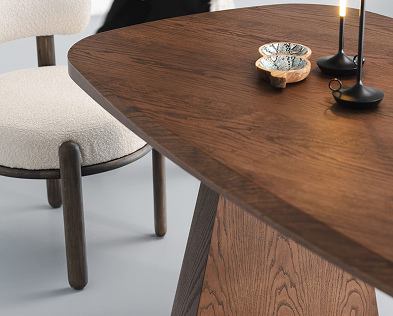
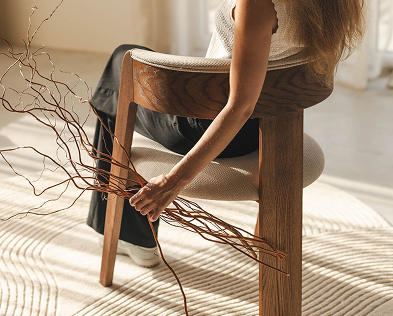
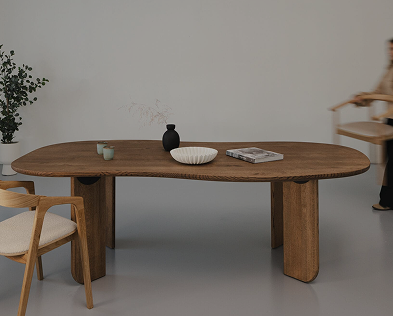
The Scandinavian interior style is a minimalist, light, and functional living style where serenity, natural materials, and simplicity take center stage. It is all about the balance between comfort and sleek design, without unnecessary details. Everything you see has a function and contributes to a calm atmosphere. This style originated in countries like Sweden, Denmark, and Norway. Due to the long, dark winters, an interior style emerged there that brings light and warmth into the home. Think of plenty of daylight, light colors, wood, soft fabrics, and furniture with a simple yet thoughtful design. Scandinavian living is not a trend that comes and goes. It is a timeless way of decorating that perfectly suits those who love peace, space, and quality. Within our collection, you can see this reflected in, for example, our Scandinavian dining tables and minimalist dining chairs made of wood and soft fabrics.
Which colors and materials are characteristic of a Scandinavian interior?
You can immediately recognize a Scandinavian interior by its light colors, natural materials, and subtle contrasts. The base is calm, but never boring.
Which colors are commonly seen?
The color base is almost always light. This ensures a sense of spaciousness and tranquility.
- White and off-white as a base color
- Light gray and soft beige tones
- Natural wood colors such as light oak
- Soft accents in, for example, sand, taupe, or muted green
Contrast is often found in black details, such as a slender metal frame or a subtle black accessory. For color advice: work from a sense of calm and only then add contrast. This keeps the overall look in balance.
Which materials suit Scandinavian living?
Materials are perhaps even more important than color. They determine the warmth and character.
- Light oak or other solid wood
- Wool, linen, and cotton for textiles
- Ceramics and natural stone in accessories
- Metal in black or matte steel for subtle details
Within Scandinavian design, you often see solid wood with a visible grain. This adds character without becoming busy. Many pieces of furniture within this style are produced in Europe and made from FSC-certified wood. This aligns with the Scandinavian focus on sustainability and quality.
How do you create a Scandinavian interior in your own home?
You create a Scandinavian interior by starting with a calm base in color and form, and then adding warmth layer by layer with materials and textiles. Less is more, but it must remain cozy.
Step 1. Start with a calm base
Choose light walls and a floor that radiates warmth, such as wood or a light PVC floor. Large furniture pieces like a dining table or sofa set the mood. Go for simple shapes without busy details.
An oval or rectangular wooden dining table with slender legs fits perfectly here, for example. Combine that with chairs in a soft fabric for extra comfort.
Step 2. Work with natural materials
Mix wood with soft fabrics. Think of a wool throw, linen curtains, or a rug with a subtle texture. The contrast between hard and soft makes the interior exciting without it becoming restless.
Step 3. Keep accessories minimalist
Accessories are supportive, not leading. It’s better to choose three strong items than ten small trinkets. For example:
- A ceramic vase in a neutral tone
- A wooden bowl on the table
- A serene wall print with plenty of white space
By choosing consciously, your interior remains airy and uncluttered.
Step 4. Think in contrast, not in clutter
Many people think a Scandinavian interior must be entirely white. That is not correct. It is precisely the subtle contrast that makes it interesting. A light wooden table with dark dining chairs, or vice versa, can work very powerfully as long as the shapes remain calm.
What is the difference between Scandinavian and Japandi?
Scandinavian interior is light, fresh, and functional. Japandi combines that Scandinavian base with Japanese influences and is often slightly darker and sleeker.
Where Scandinavian design works a lot with light oak and white tones, in Japandi you more often see deeper wood colors and more pronounced contrast. Both styles share the same core values: peace, simplicity, and quality in material and finish.
If you’re torn between both styles, look at the light in your home. Lots of daylight? Then light Scandinavian works perfectly. Less light? Then a warmer Japandi approach can actually provide more atmosphere.
Why does Scandinavian interior remain so popular?
Scandinavian living remains popular because it is timeless. The combination of functionality, natural materials, and calm colors ensures an interior that doesn’t quickly become boring.
Additionally, the style fits well with how we live today: open spaces, lots of light, and the need for peace in a busy daily life. By investing in high-quality wooden furniture with strong joints and a good finish, you create a foundation that lasts for years.
That is ultimately what Scandinavian interior is all about. Not constantly changing, but consciously choosing simplicity and quality.
In summary
The Scandinavian interior style is a light, minimalist living style where natural materials, functionality, and serenity are central. You recognize it by light colors, solid wood, soft fabrics, and simple shapes without unnecessary details.
If you want to apply this style yourself, start with a calm base, choose wooden furniture with a timeless design, and add warmth with textiles and subtle contrasts. This way, you create an interior that is not only beautiful but also continues to feel good for years to come.