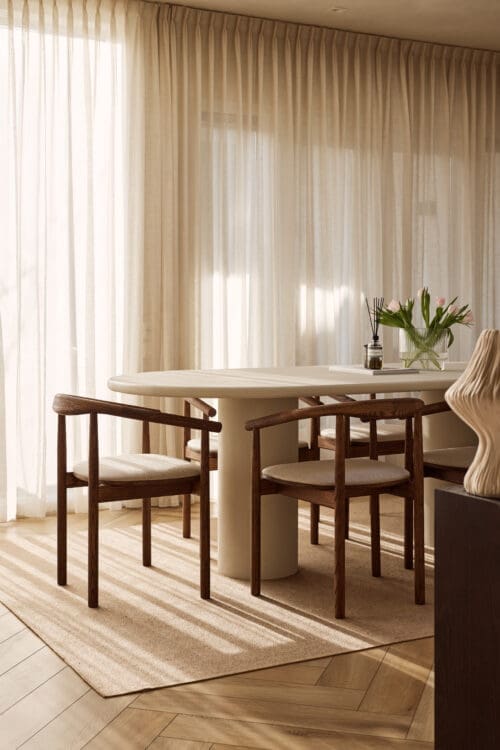
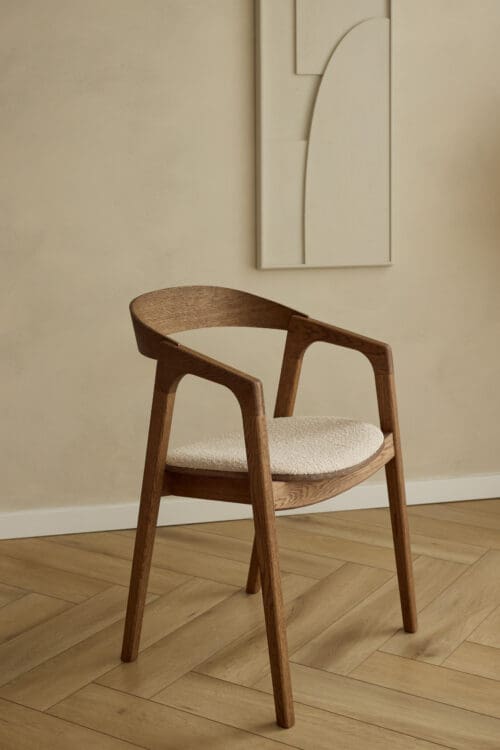
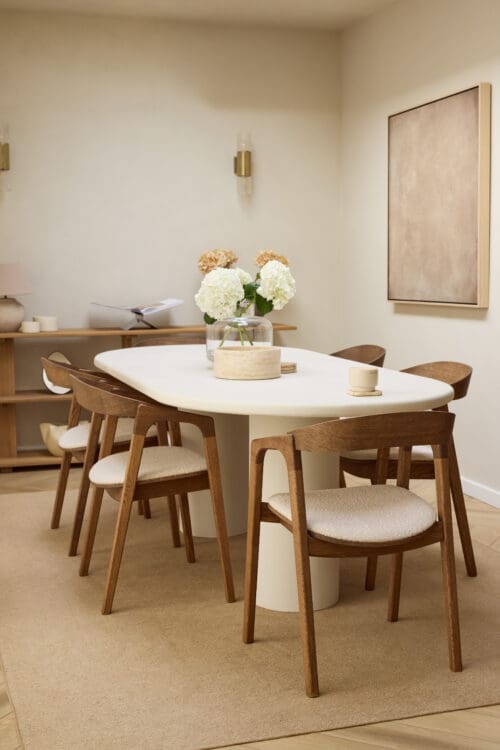
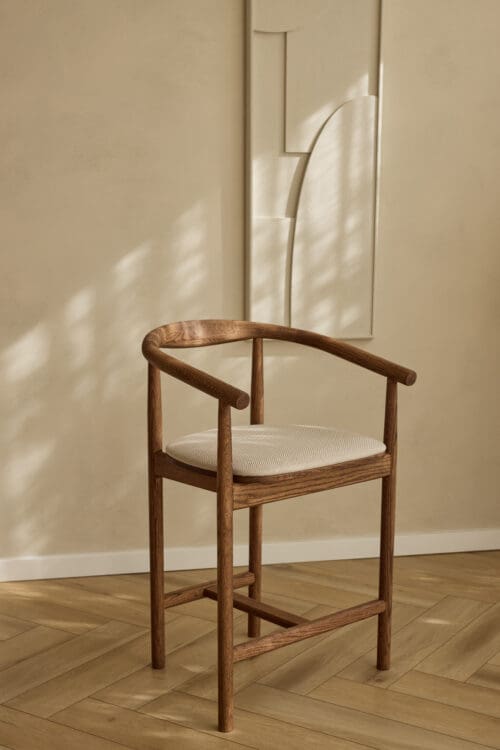
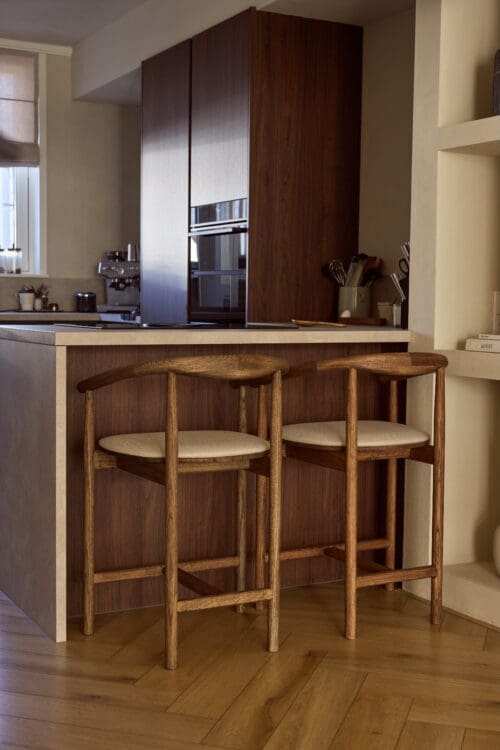
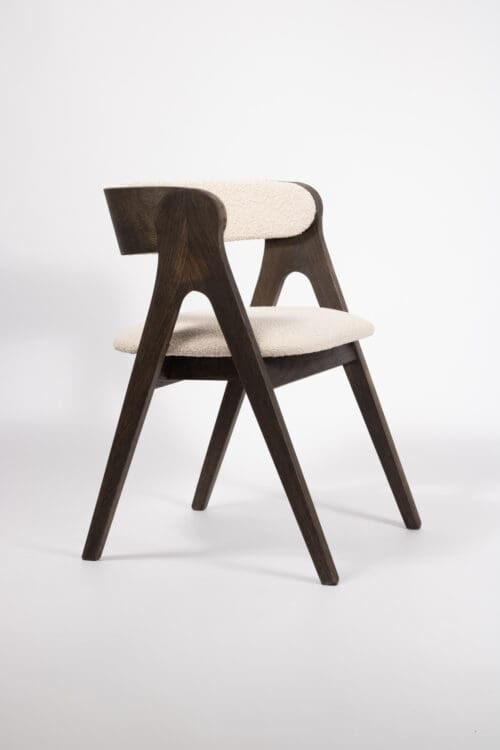
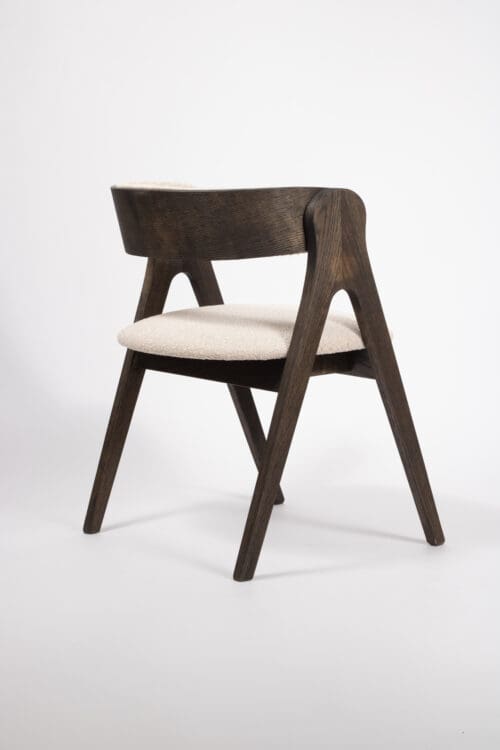
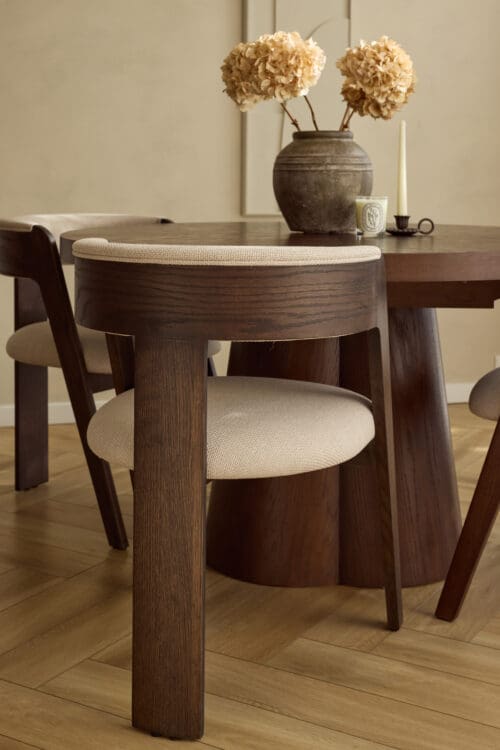
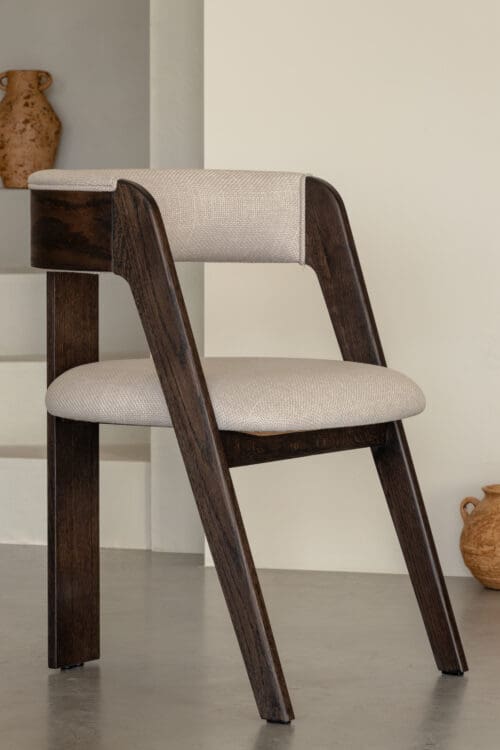
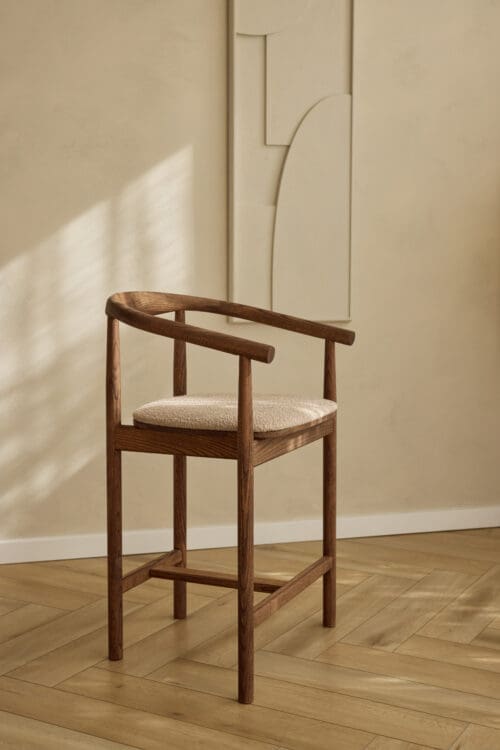
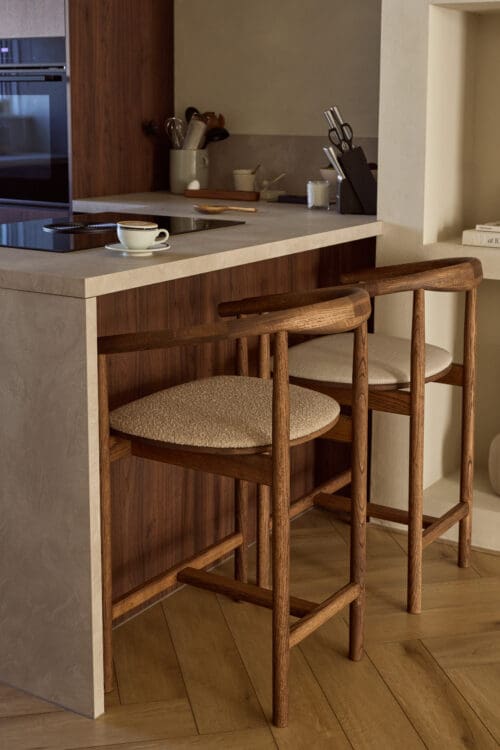
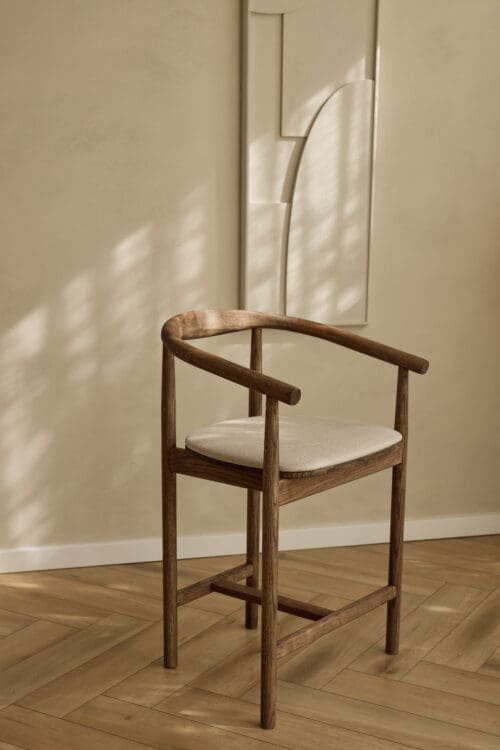
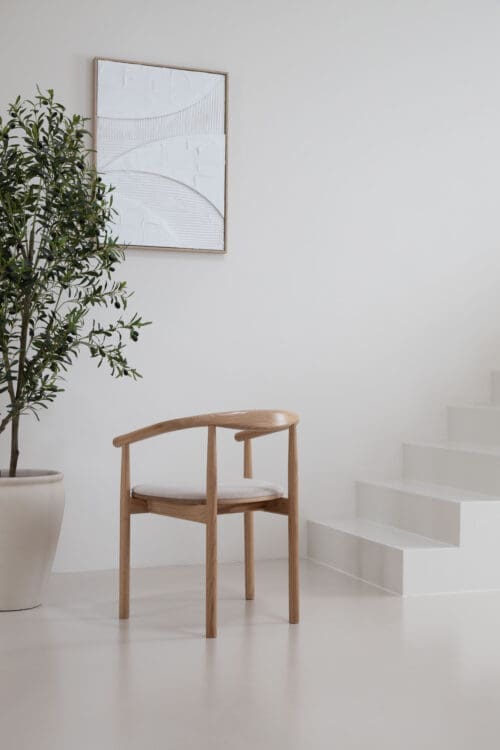
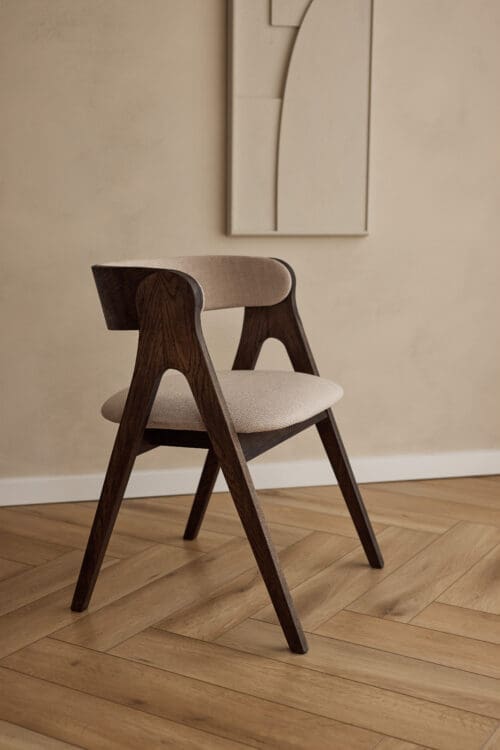
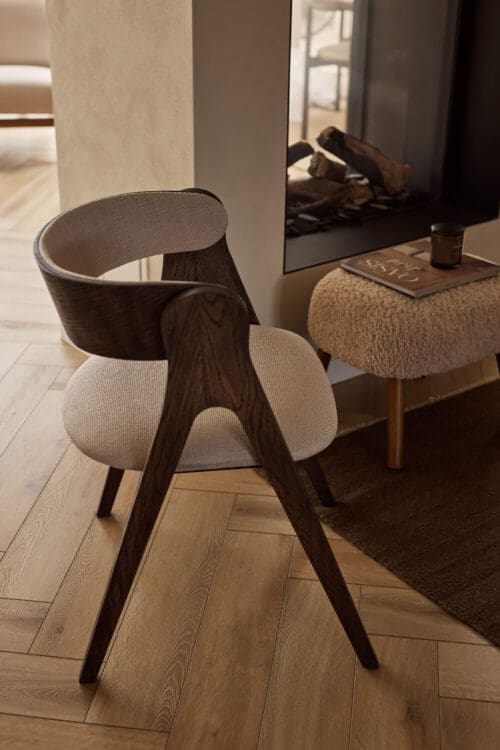
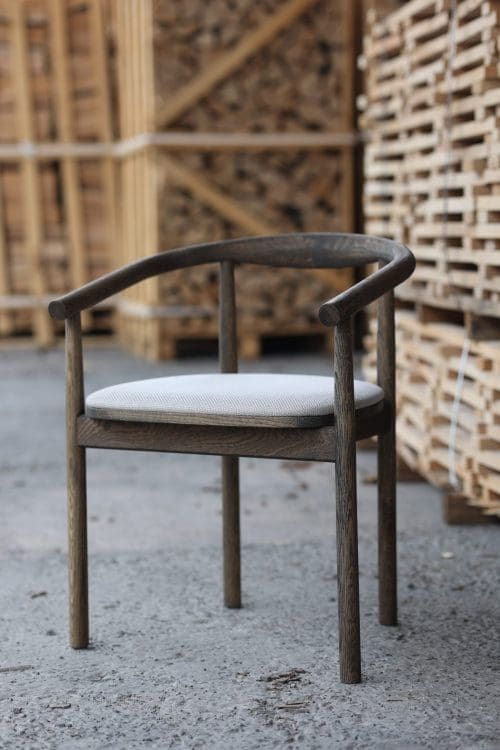
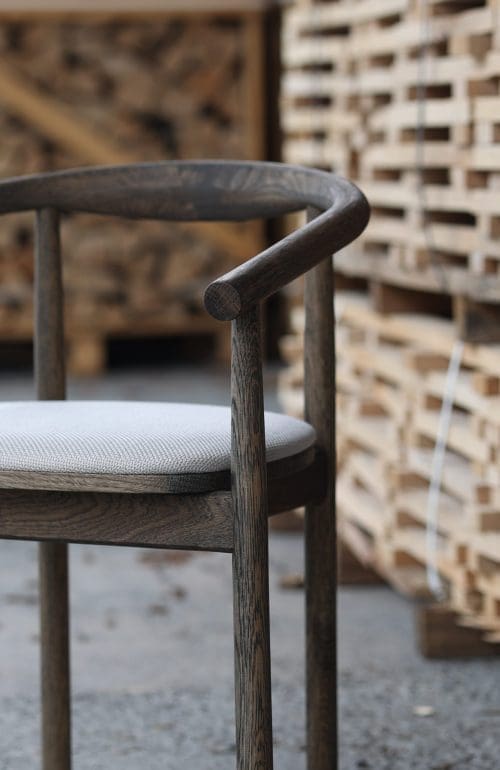
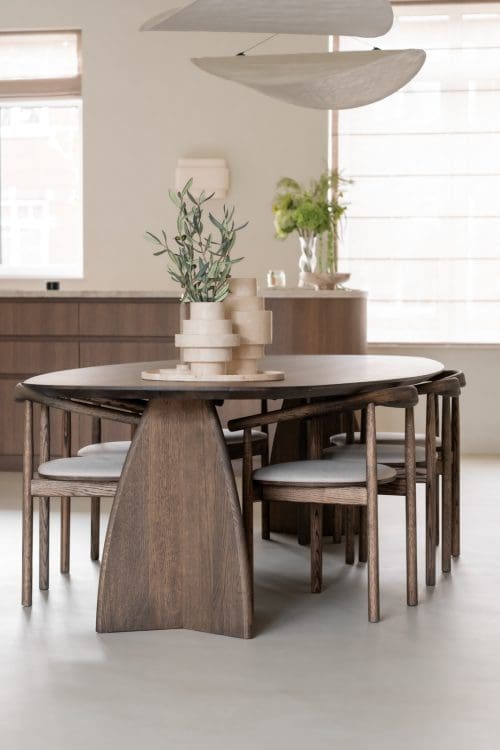
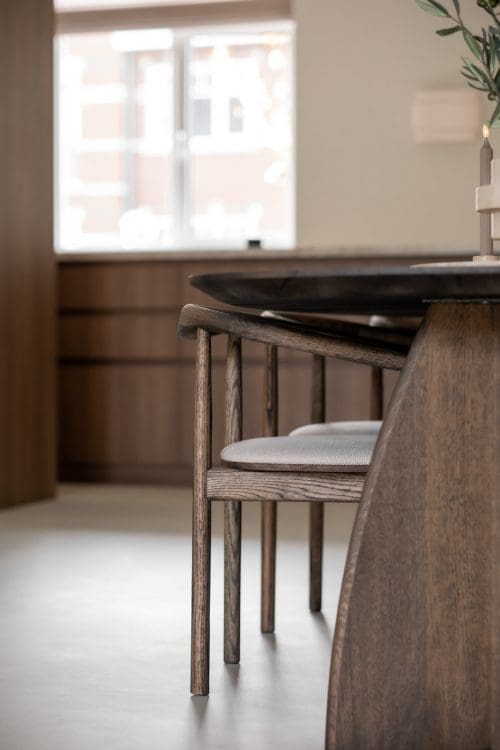
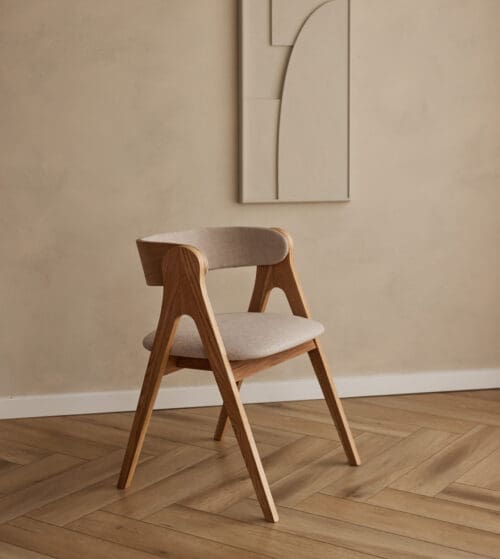
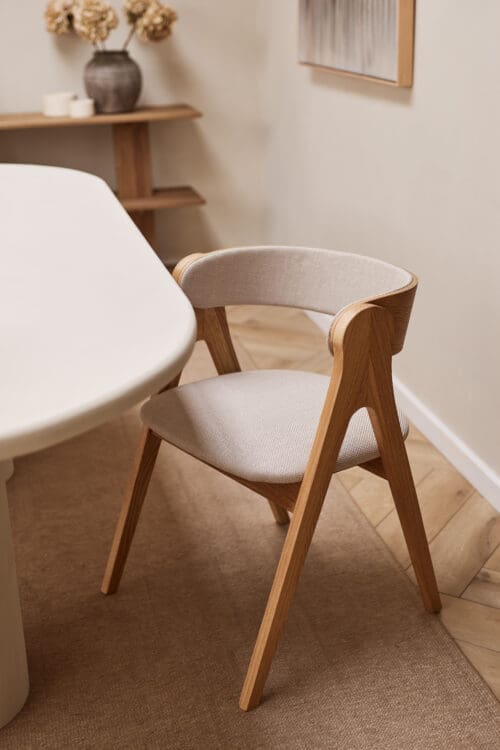
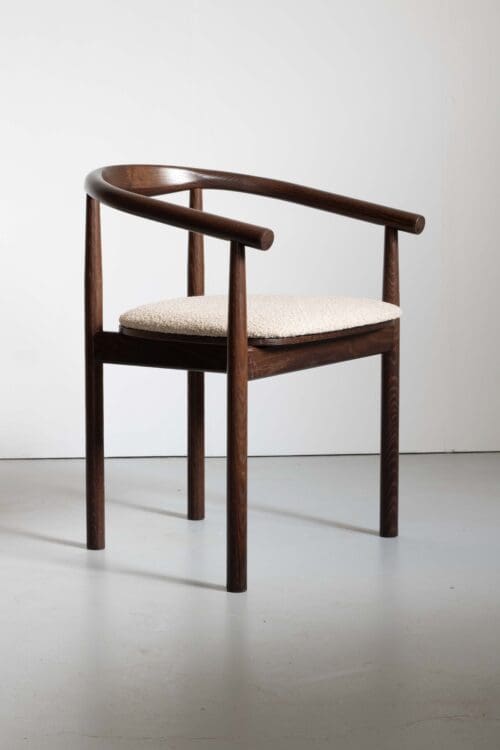
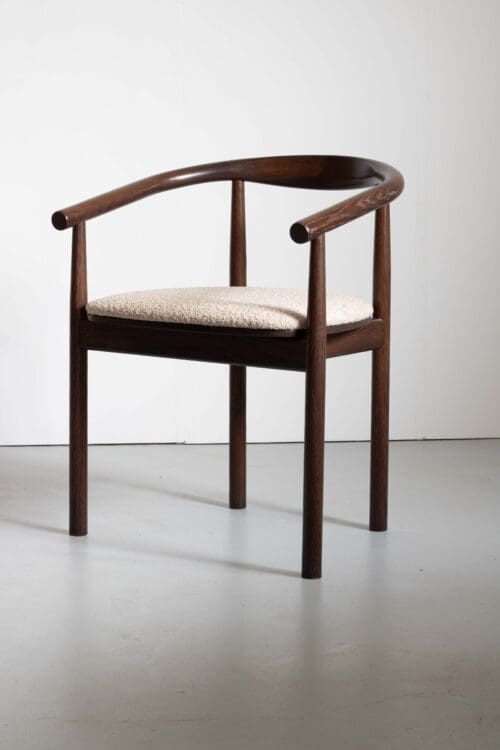
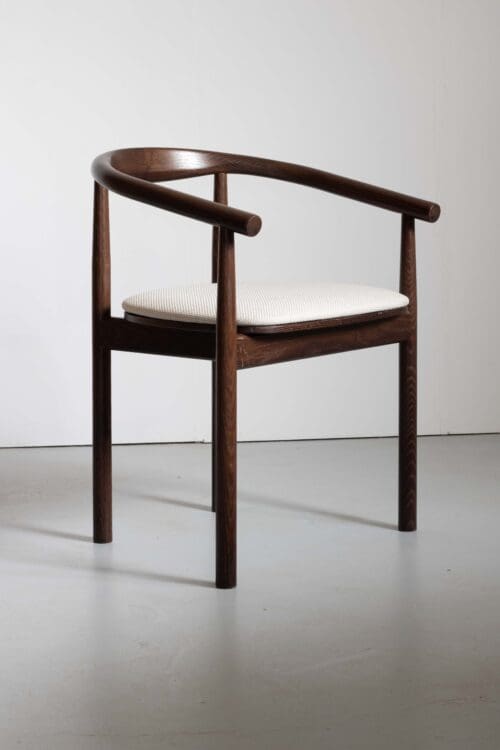
You create a Scandinavian living room by focusing on tranquility, light, and natural materials. Think of a light base, furniture with clean lines, plenty of wood, and soft fabrics like wool and linen. It’s all about functionality and atmosphere. Minimalist yet warm. Simple, but never cold. The Scandinavian style originates from countries like Sweden, Norway, and Denmark, where daylight is scarce in winter. That’s why you see many light colors, natural materials, and a practical layout. Everything has a function. Unnecessary items disappear from view. This creates peace in your mind and your home. It’s not a passing trend. Scandinavian design is timeless because it revolves around quality, simplicity, and smart choices. That’s exactly why it works so well in modern Dutch homes. If you already have a living room and want to make it more Scandinavian, read more here.
What is truly Scandinavian?
Scandinavian living means living with less, but better. The style is characterized by simplicity, functionality, and natural elements. While minimalism can sometimes feel strict, there is always warmth in Scandinavian design. The Danes call this hygge—a sense of comfort and coziness in a peaceful environment.
It is important that everything is in the right proportion. Furniture is not massive or heavy but appears light. Accessories are subtle and functional. The space feels open, breathable, and well-organized.
Key features include:
- Light, neutral colors as a base
- Wood in natural tones such as oak
- Functional furniture with slender legs
- Soft fabrics and subtle textures
- Plenty of daylight and airy window treatments
Which colors suit a Scandinavian living room?
The base is almost always light. White, off-white, beige, and light gray form the foundation. These colors reflect daylight and make your space look optically larger. This is a major advantage, especially in a smaller living room.
If you want more depth in your interior, work with soft contrasts instead of harsh color differences.
Adding accent colors without creating clutter
Think of muted green, warm sand, taupe, or a subtle terracotta shade. Keep it calm and choose a maximum of two accent colors to repeat in, for example, cushions, art, or an armchair. The secret lies in repetition. Too many separate colors break the tranquility that Scandinavian design is all about.
Which materials belong in this style?
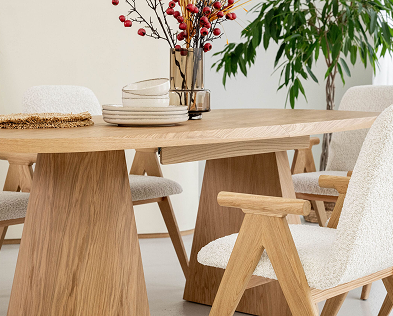
Natural materials are the foundation. Wood plays the leading role. Light oak, in particular, is frequently seen in floors, tables, and cabinets. Oak has a calm grain and a warm undertone, making it a perfect fit for this style.
Combine wood with linen curtains, a wool throw, and a cotton or wool rug. By adding different soft textures, you prevent the interior from feeling flat.
Preferably choose matte finishes instead of high gloss. It should look pure and honest. Wood with a visible structure adds character without becoming busy.
Which furniture should you choose?
Go for furniture with a slim silhouette and subtle details. Think of a sofa on slender legs, a minimalist coffee table, and a dining table in light oak. Functionality always comes first. A cabinet with closed storage helps keep the space tidy.
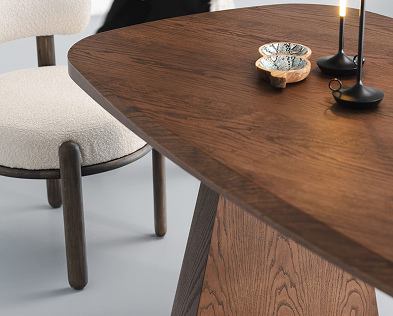
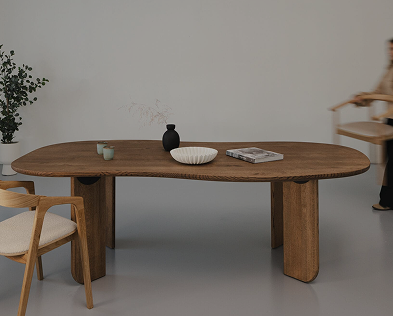
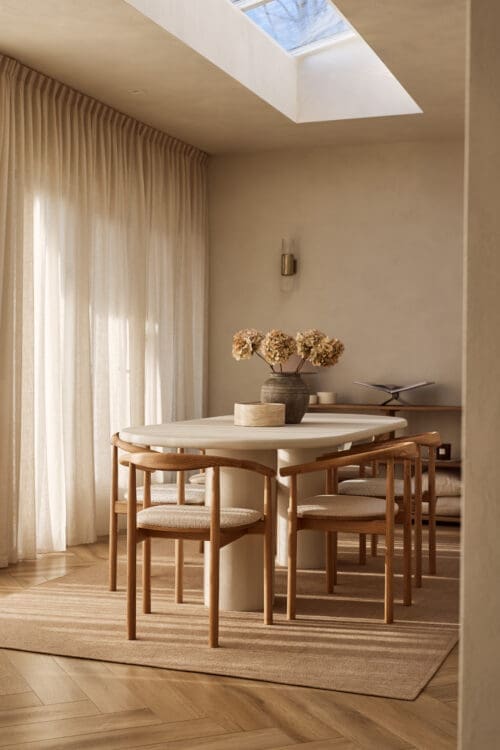
Round or organic shapes have a softening effect. An oval dining table or an armchair with rounded corners breaks up straight lines and makes the overall look more inviting.
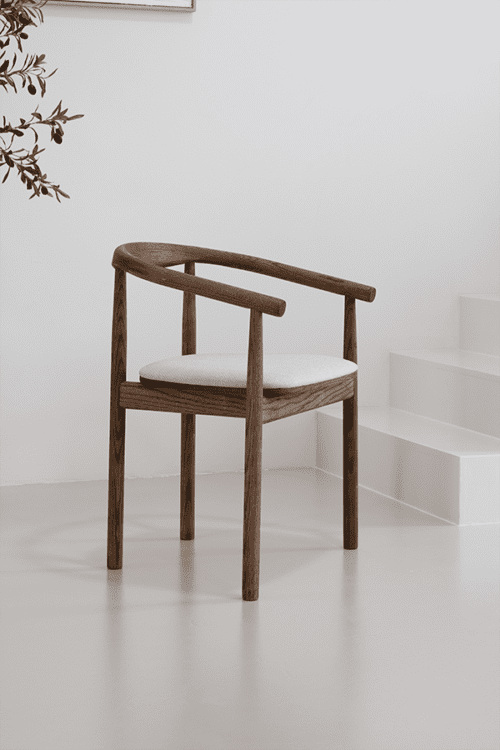
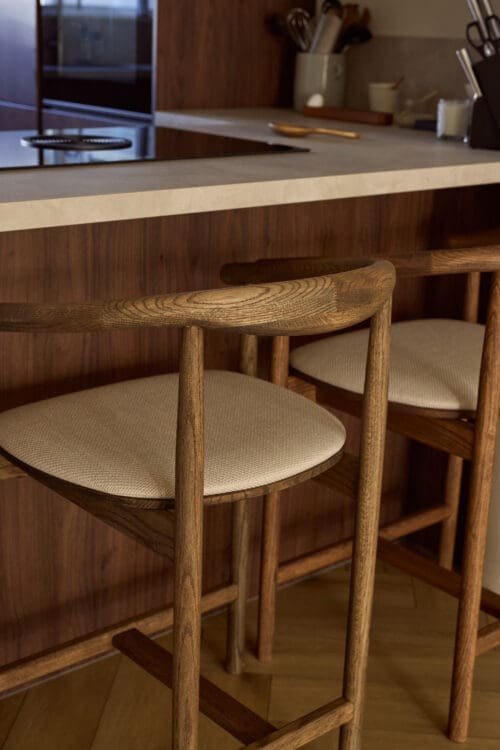
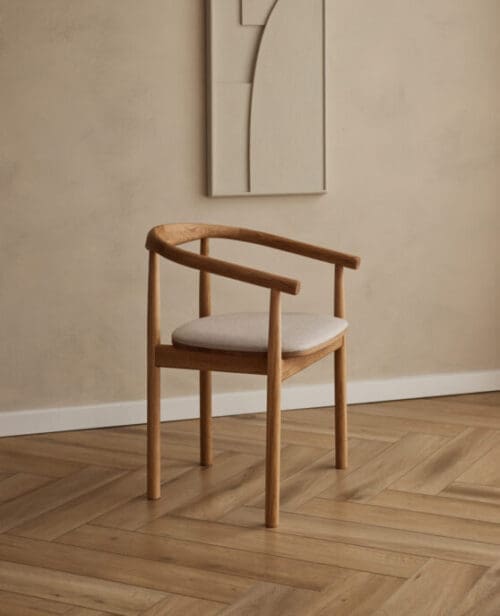
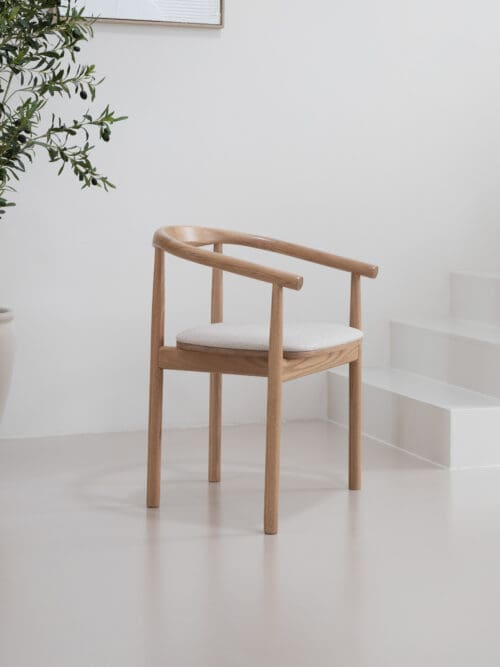
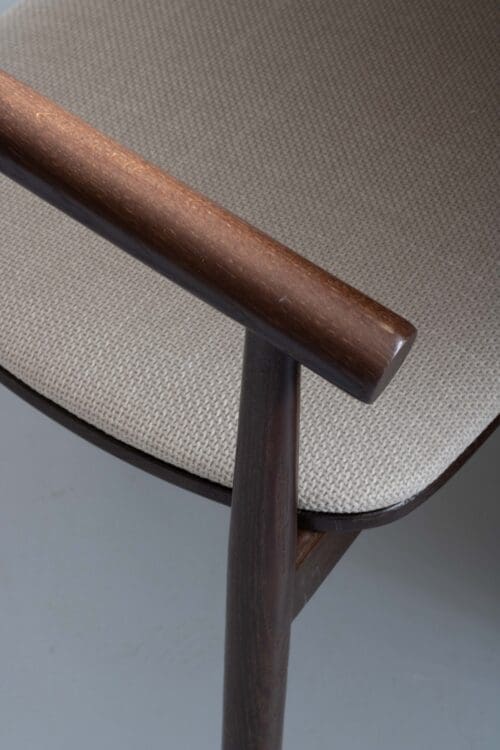
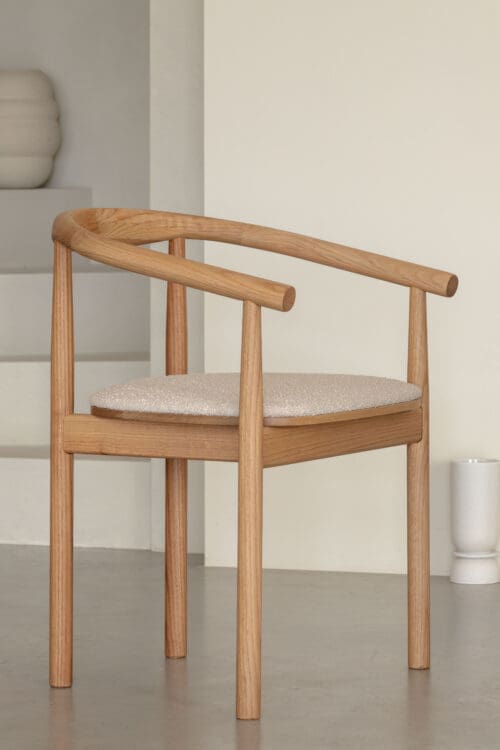
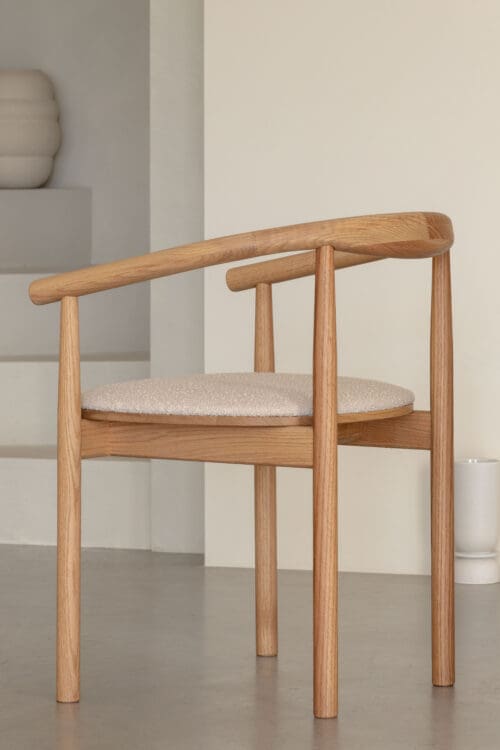
If you want to get inspiration for furniture that fits this style, take a look at the tables or dining chairs in Scandinavian or minimalist designs.
Scandinavian living room in a small space
This style really comes into its own in a smaller living room. Due to light colors, minimal visual noise, and furniture on legs, the space looks larger and airier.
Practical tips for small spaces:
- Choose a sofa with slim armrests
- Use one large rug instead of several small ones
- Work with wall shelves instead of heavy cabinets
- Keep as much of the floor visible as possible
The fewer interruptions in sightlines, the more spacious it feels.
Which plants fit perfectly?
Greenery brings life to a quiet space. Choose plants with a simple, calm shape. For example, an olive tree, ficus, monstera, or snake plant. Large plants instead of many small ones provide more balance.
Use earthenware, beige, or light gray pots without busy prints. This way, the plant remains the natural accent rather than the pot.
Budget-friendly Scandinavian decorating
Scandinavian design isn’t about having many things, but about making conscious choices. Invest in a few strong basic pieces, such as a high-quality dining table or sofa. These are the pieces of furniture you use every day.
Combine this with affordable accessories like cushions, throws, and ceramics in neutral tones. By working with timeless materials, you won’t need to replace them as often. This is not only more sustainable but also more peaceful for your interior.
Most common mistakes in Scandinavian decorating
A common mistake is thinking that Scandinavian equals completely white and empty. Without textiles and warm materials, it quickly feels cold.
Other mistakes we often see:
- Combining too many different types of wood without cohesion
- Using heavy, dark curtains that block out light
- Scattering too many small accessories throughout the room
Tranquility is created through repetition, simplicity, and clear choices.
Difference between Scandinavian and Japanese minimalism
Scandinavian and Japanese minimalism are similar but feel different. Scandinavian is lighter and softer, with a focus on comfort. Japanese minimalism often uses darker wood, more contrast, and a stronger emphasis on emptiness.
While Scandinavian is about hygge and coziness, Japanese design emphasizes serenity and balance. The combination of both styles is found in Japandi—a style where minimalism and warm wood tones come together.
All elements of a Scandinavian living room
| Element |
Feature |
Practical tip |
| Colors |
White, beige, light gray, soft earth tones |
Work with a maximum of two accent colors |
| Materials |
Light oak, linen, wool, cotton |
Choose matte and natural finishes |
| Furniture |
Slim legs, clean lines, functional design |
Use closed storage for tranquility |
| Lighting |
Plenty of daylight, soft ambient lighting |
Combine a ceiling lamp with table lamps |
| Accessories |
Subtle, organic shapes, minimal decoration |
Choose one statement item rather than several small ones |
Summary: How to get started
Start with a light, neutral base. Choose natural materials like oak and linen. Go for furniture with clean lines and slim legs. Add warmth with textiles and plants. Limit accessories and work with soft contrasts.
This is how you create a Scandinavian living room that radiates peace, is functional, and yet feels warm. Timeless, minimalist, and perfectly balanced. At Vechtdal Meubels, we have a wide range of Scandinavian furniture, so you will always find the perfect pieces for your interior.