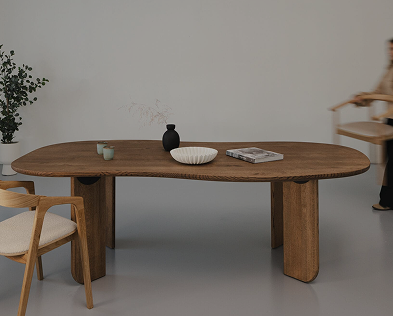
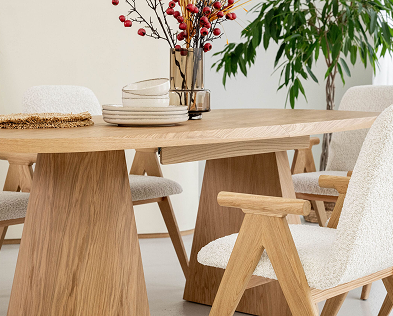
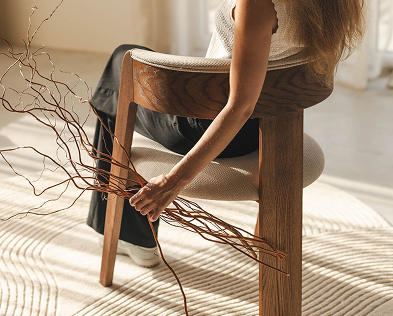
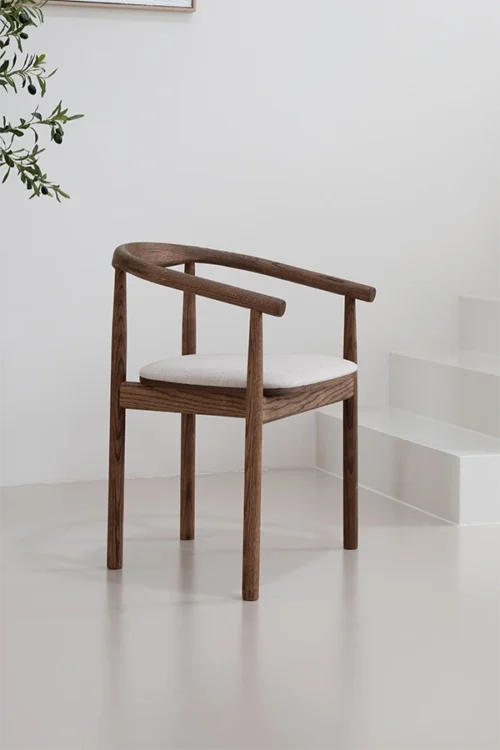
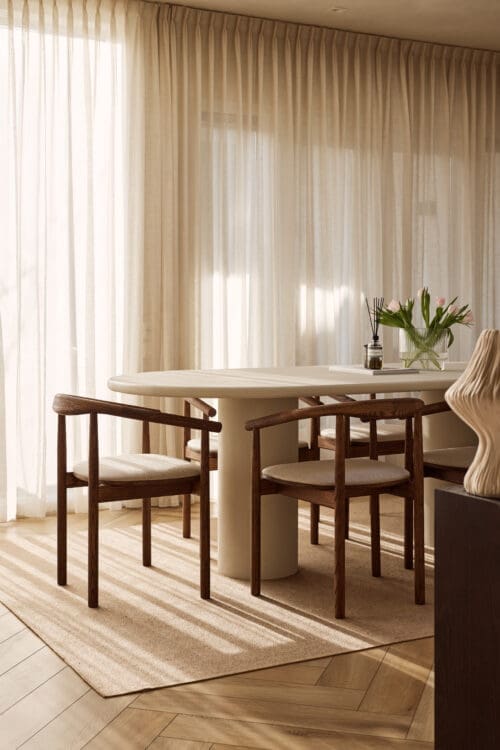
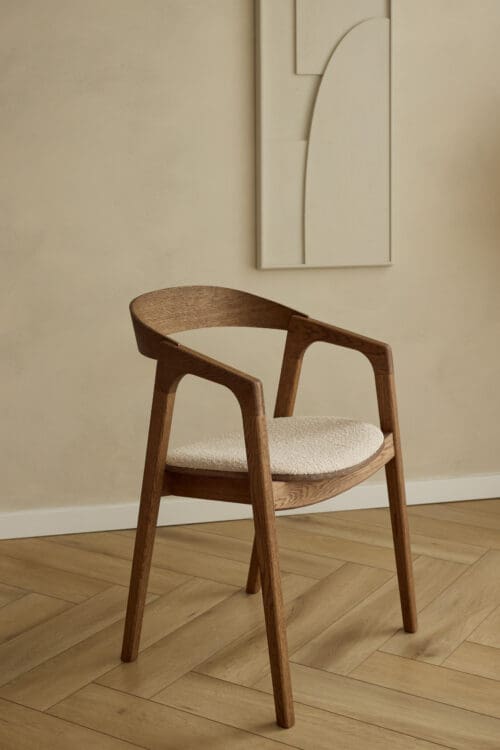
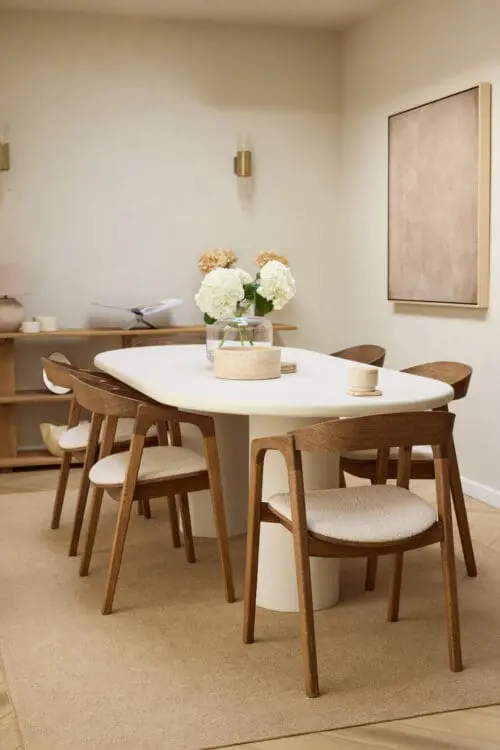
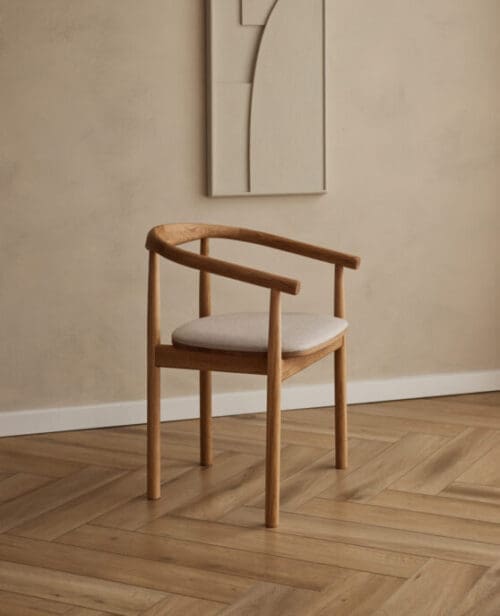
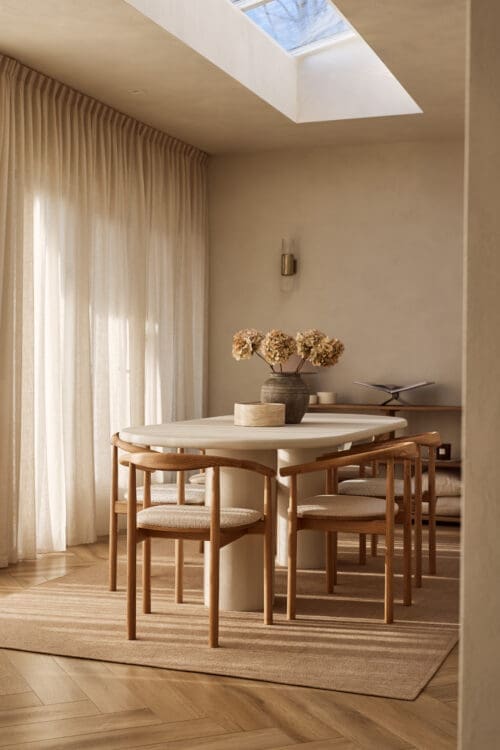
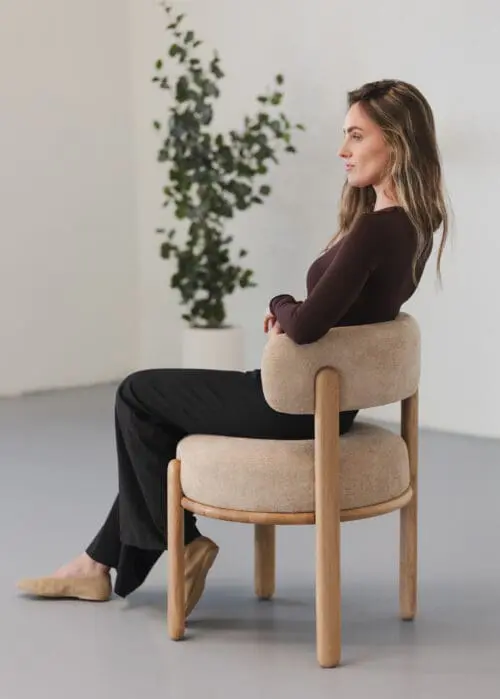
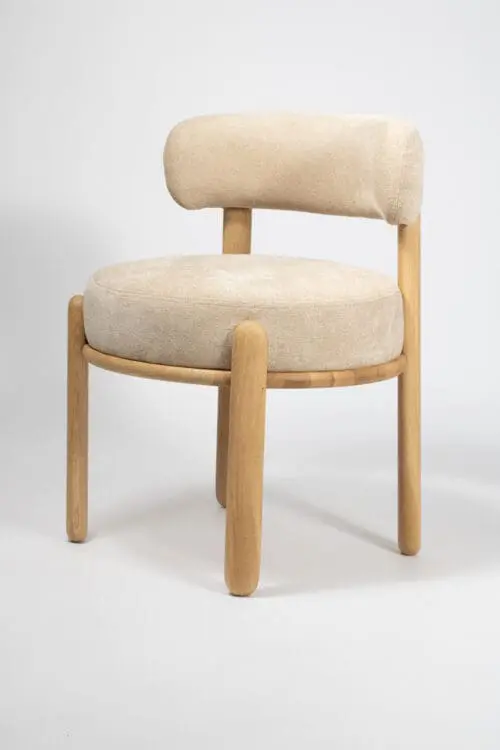
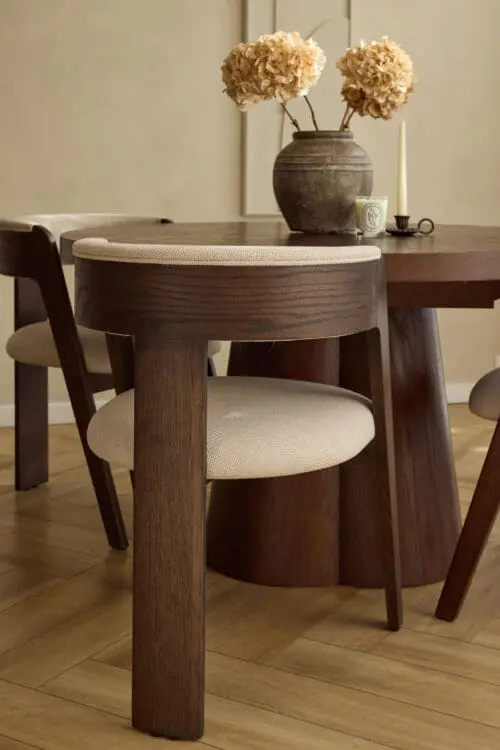
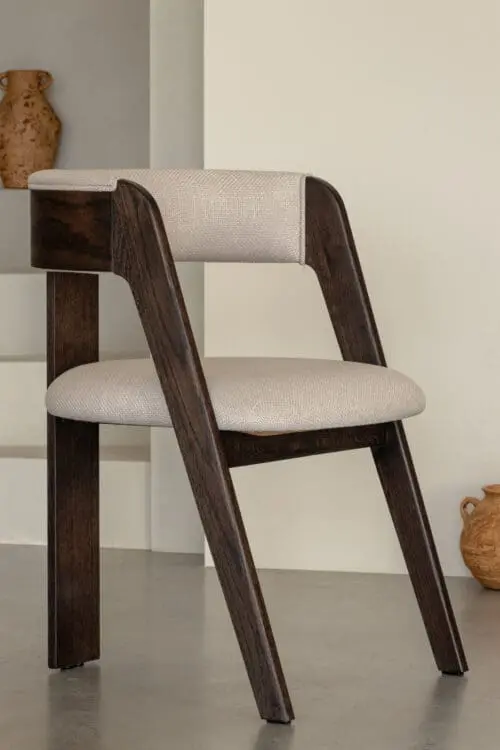
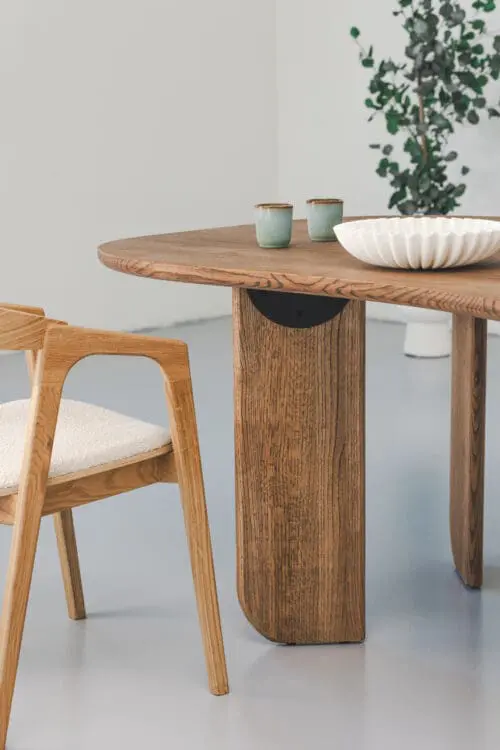
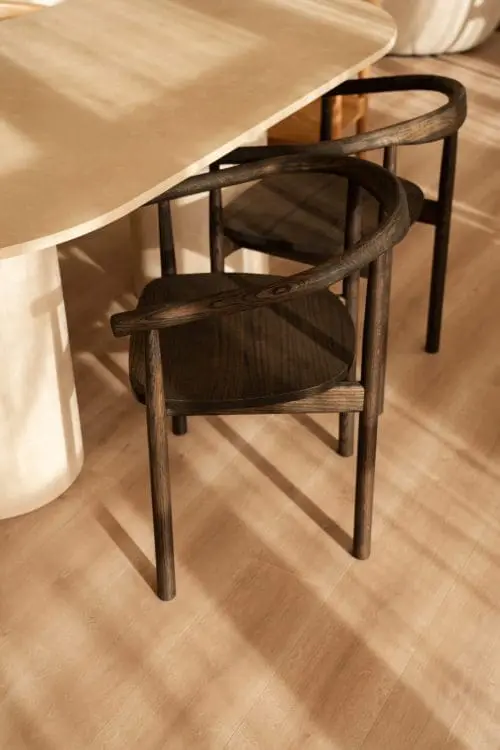
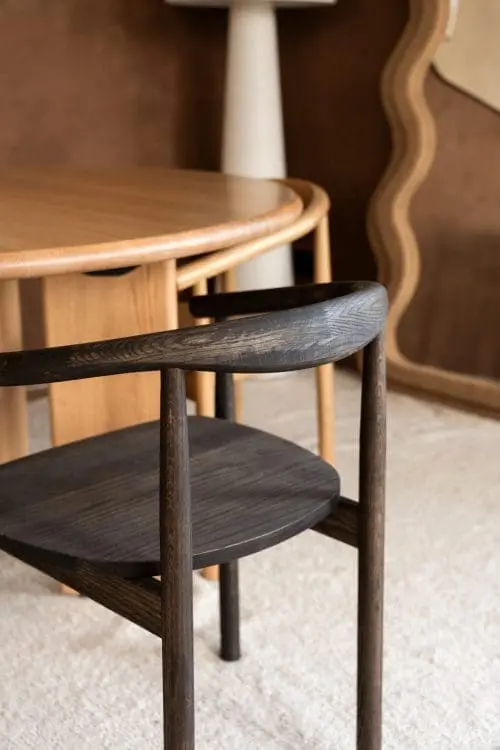
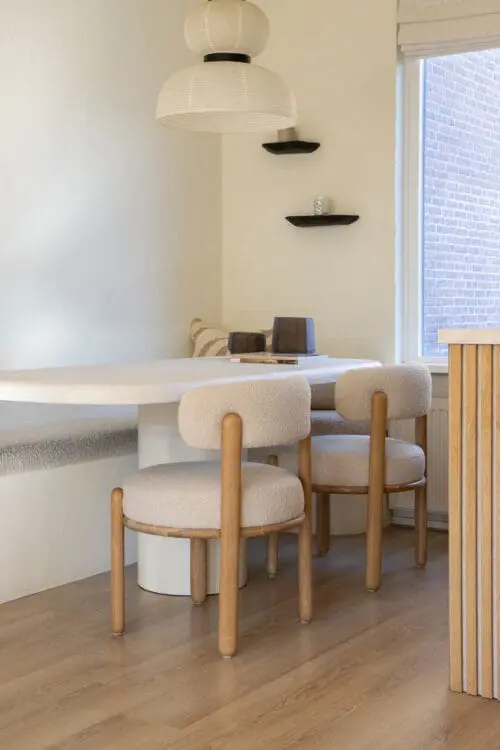
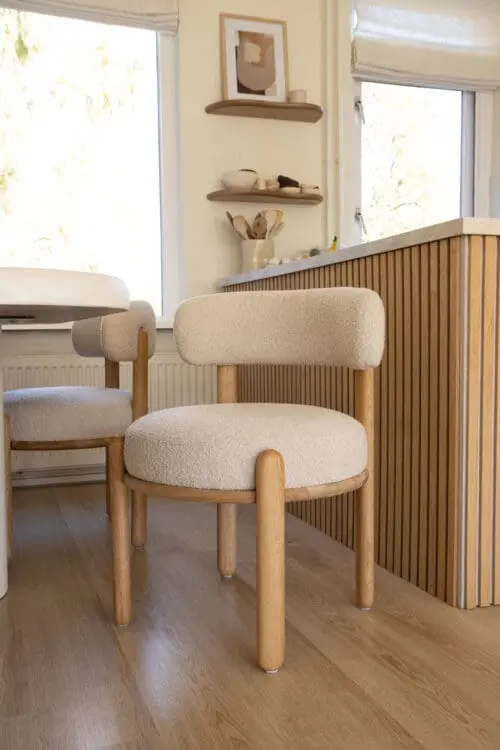
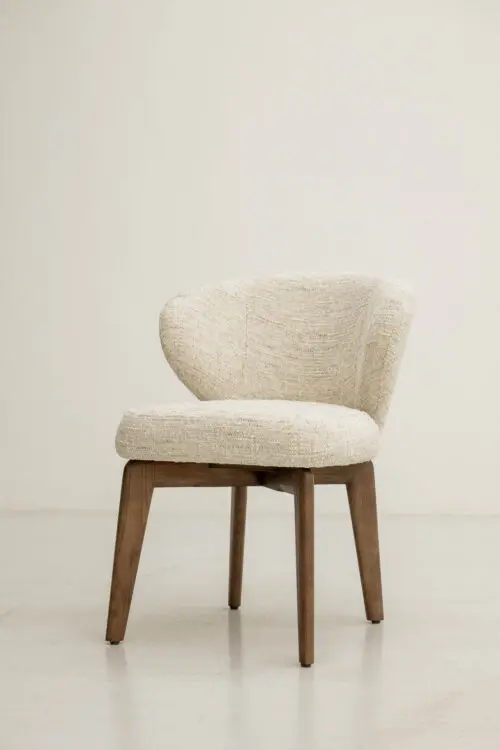
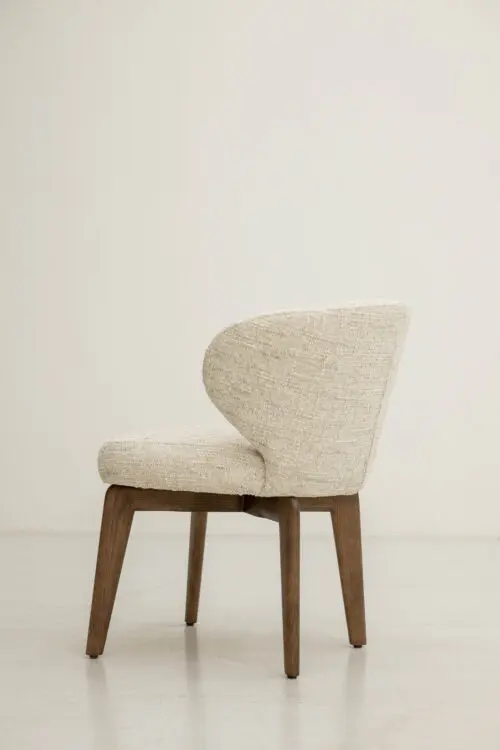
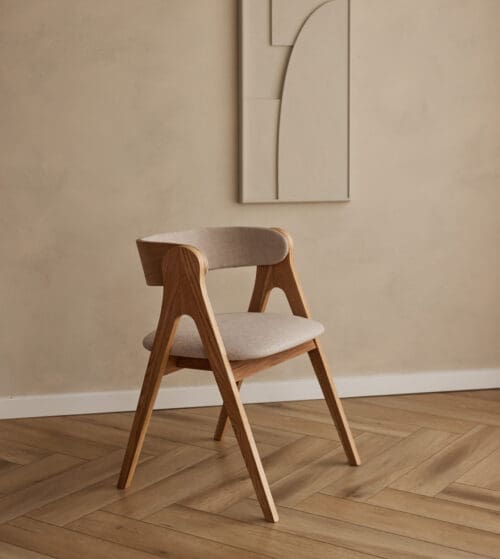
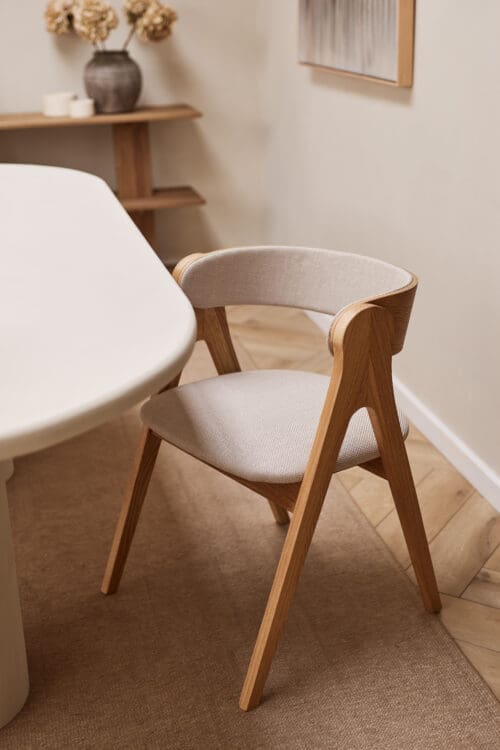
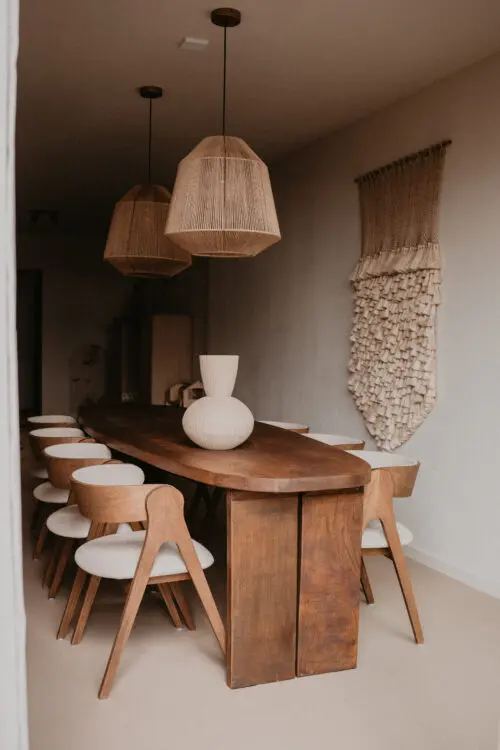
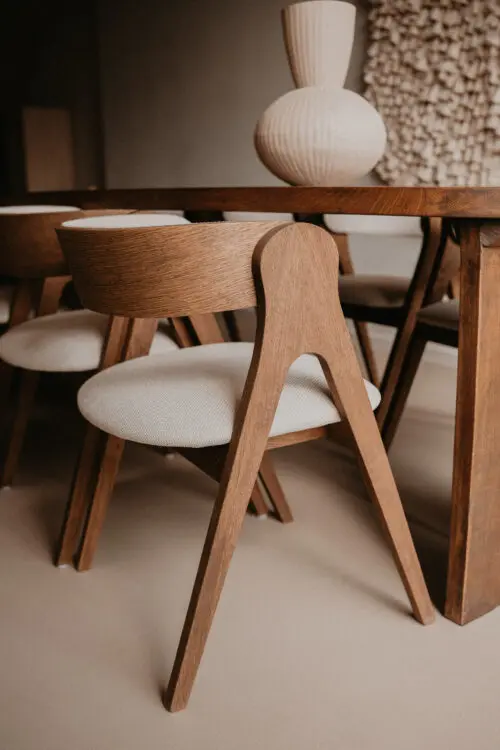
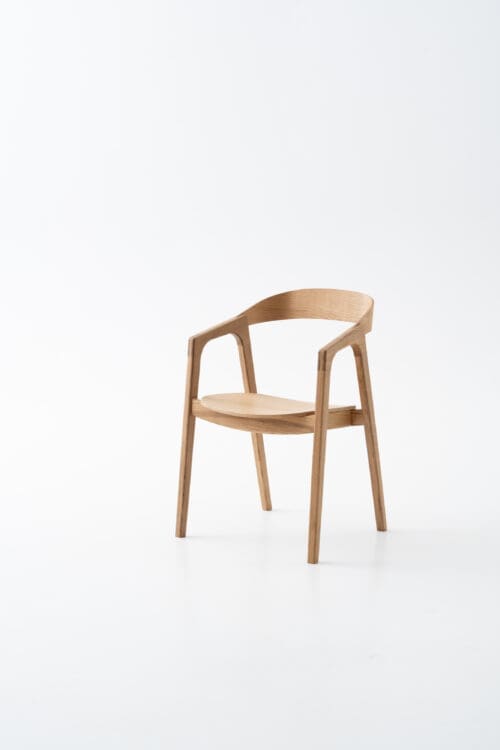
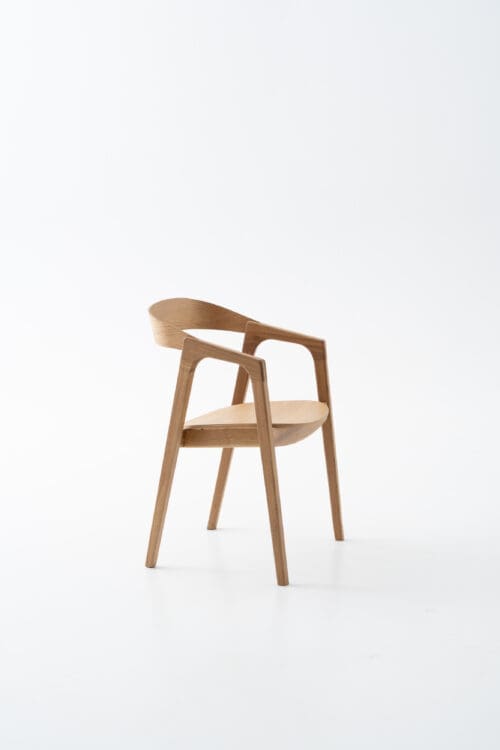
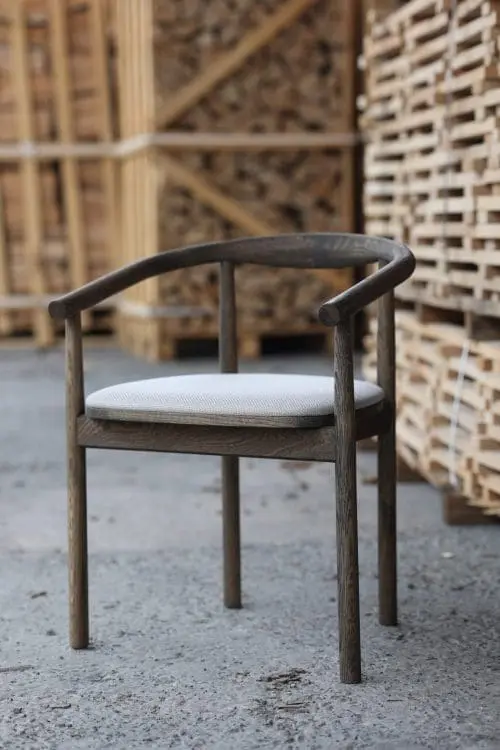
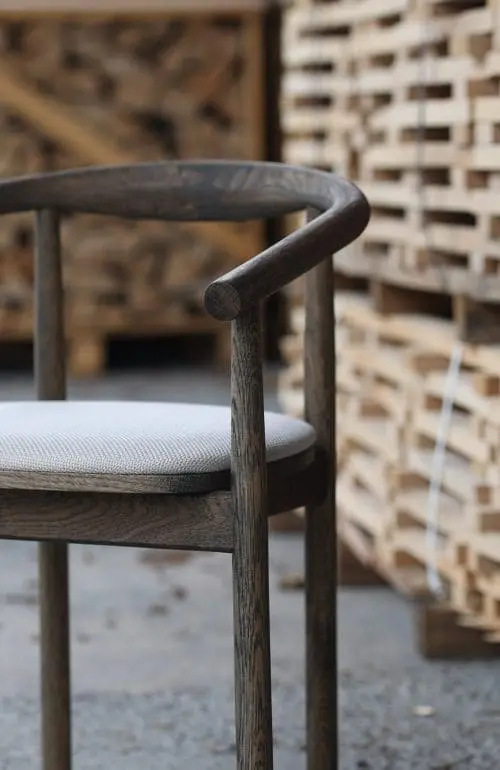
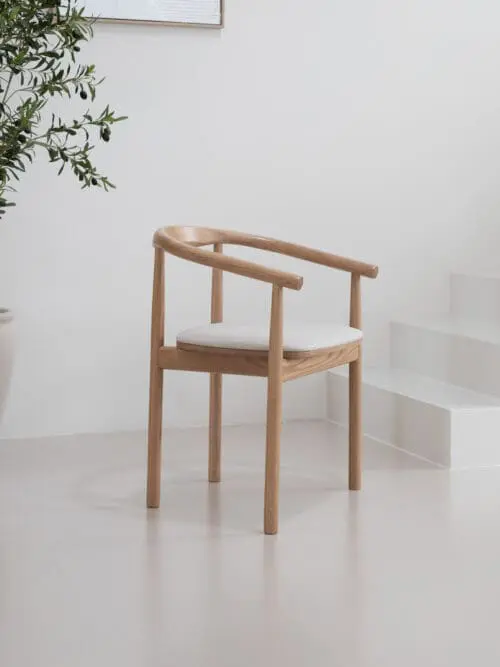
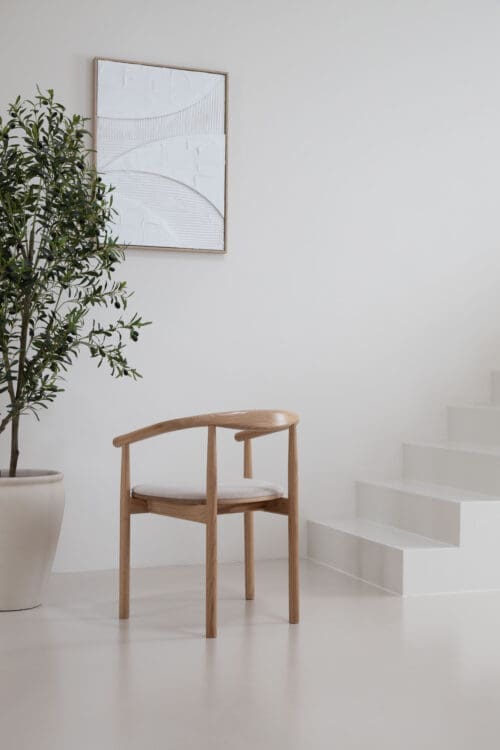
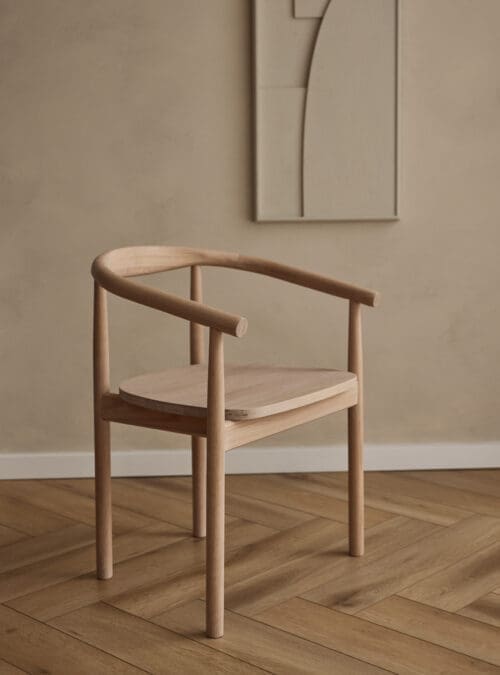
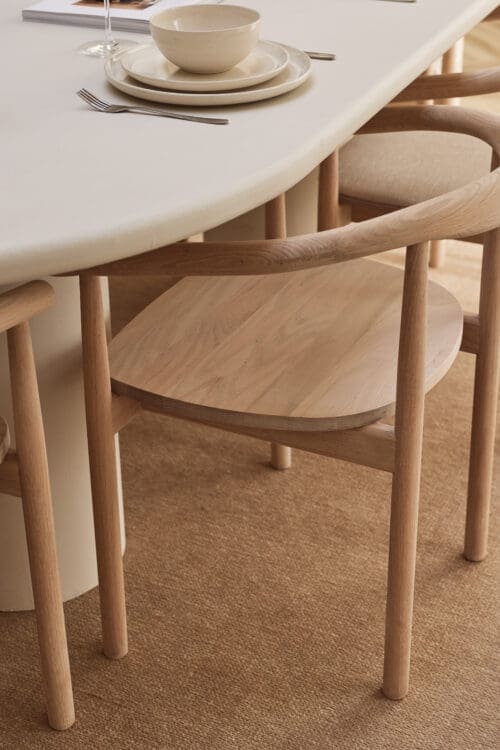
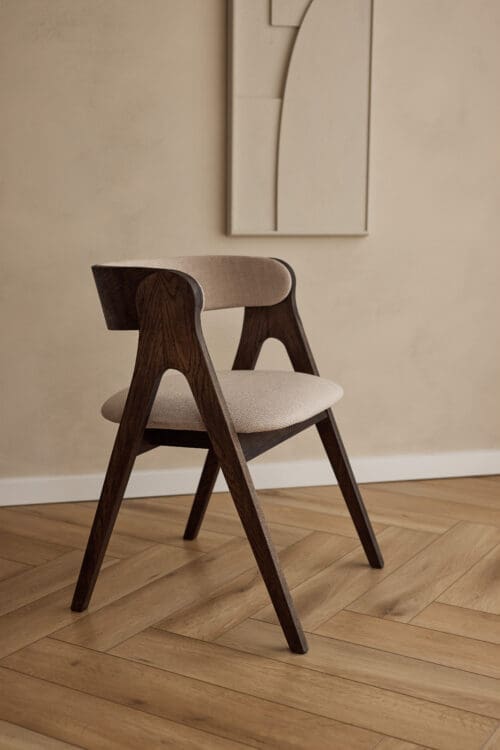
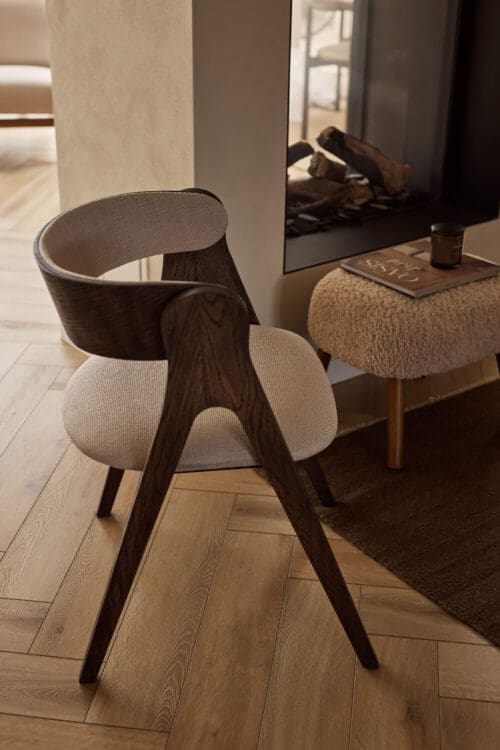
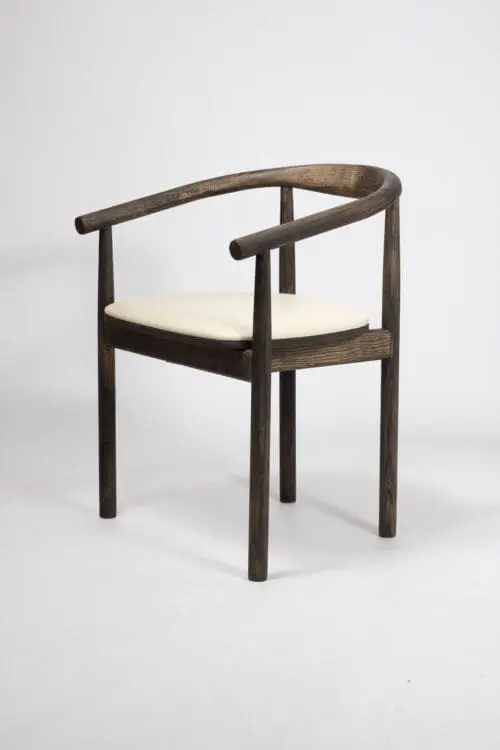
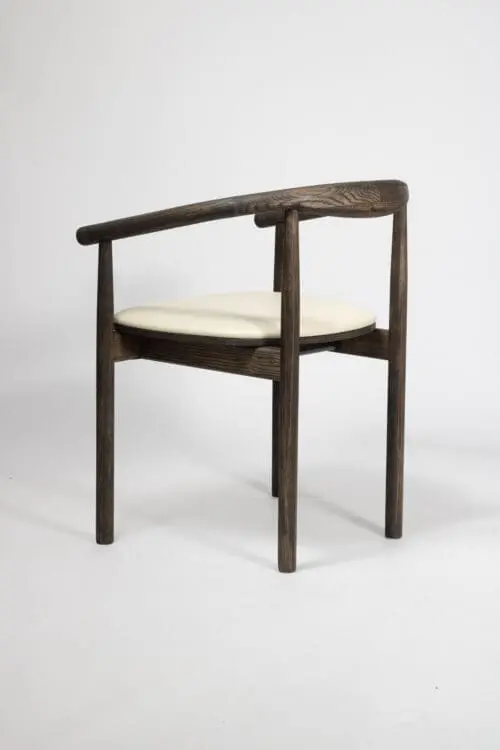
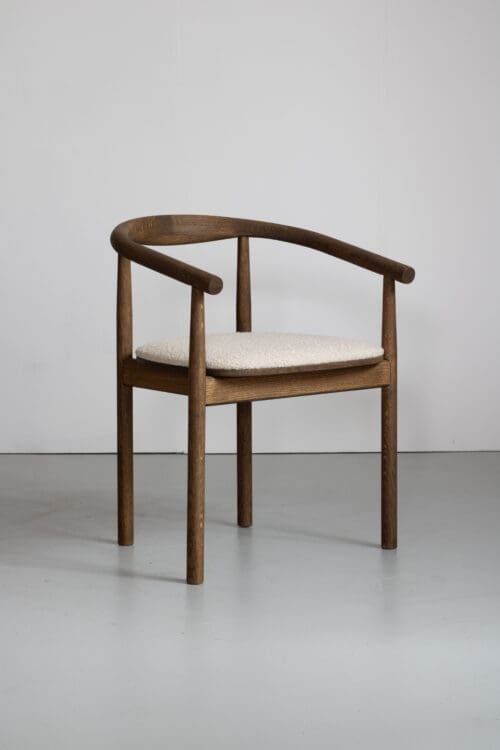
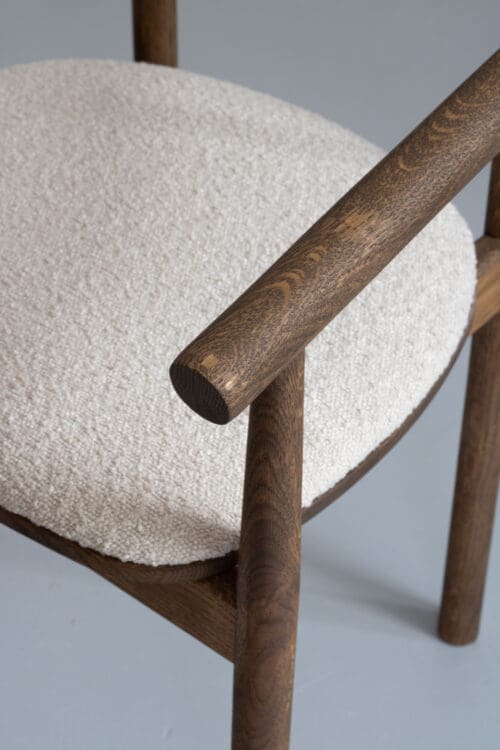
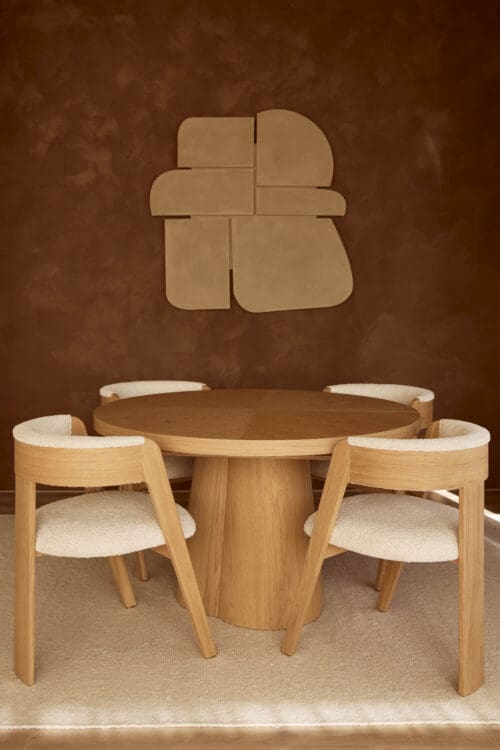
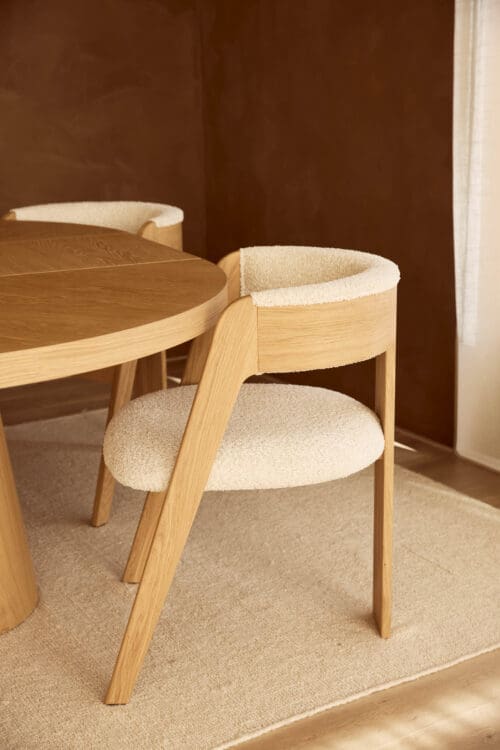
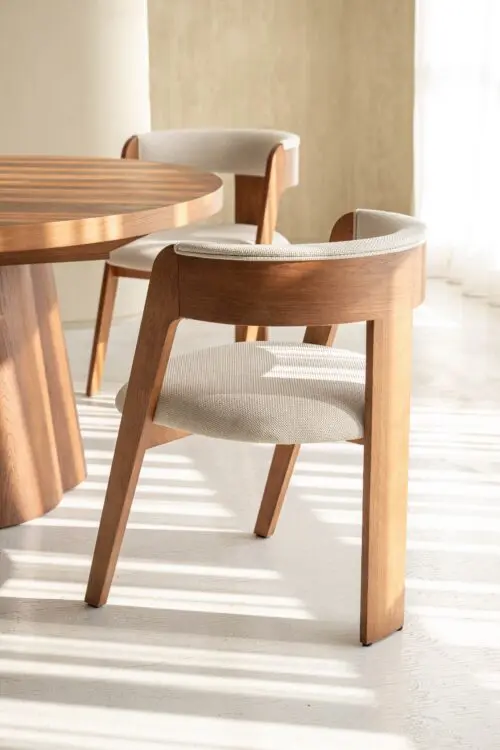
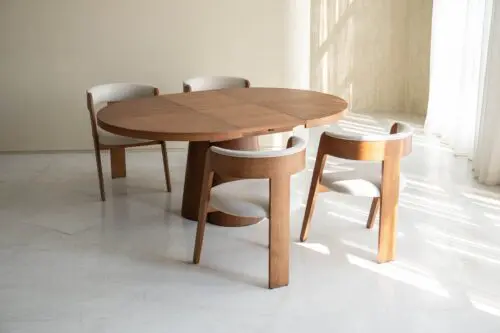
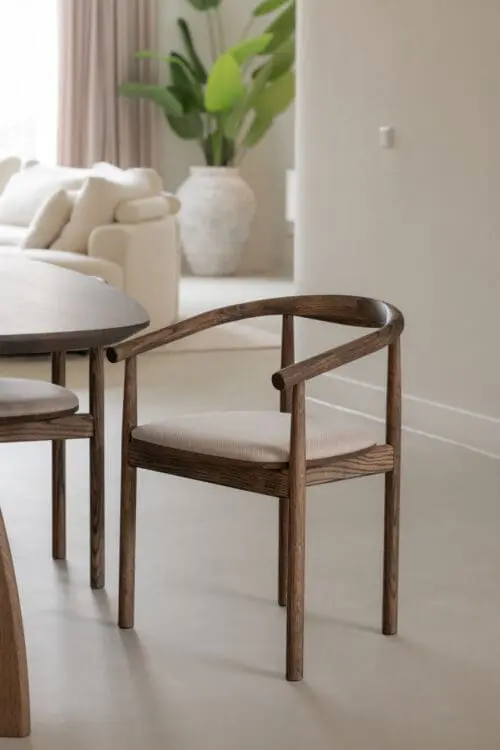
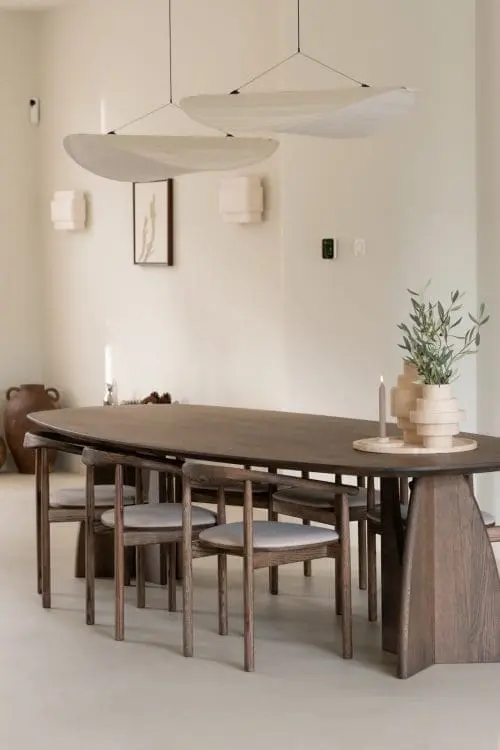
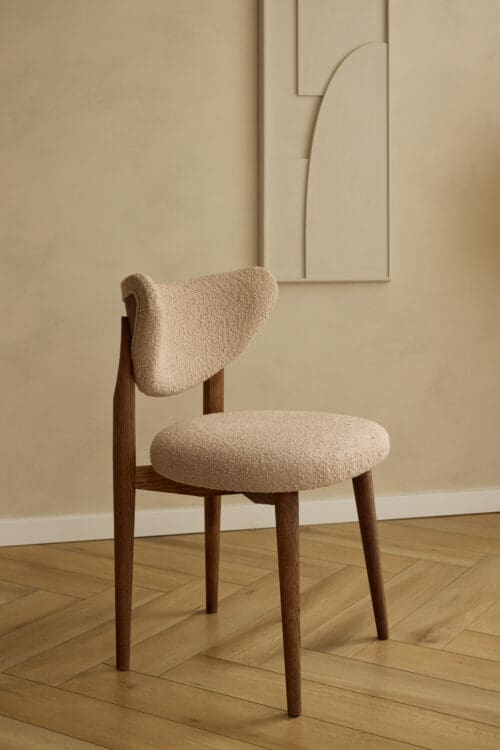
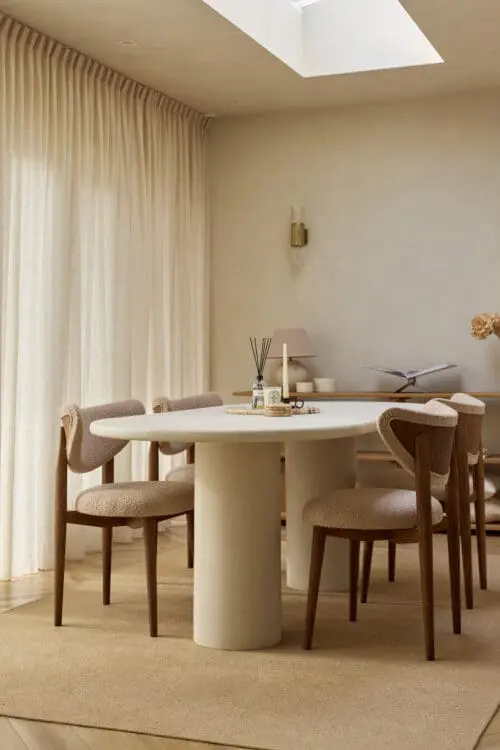
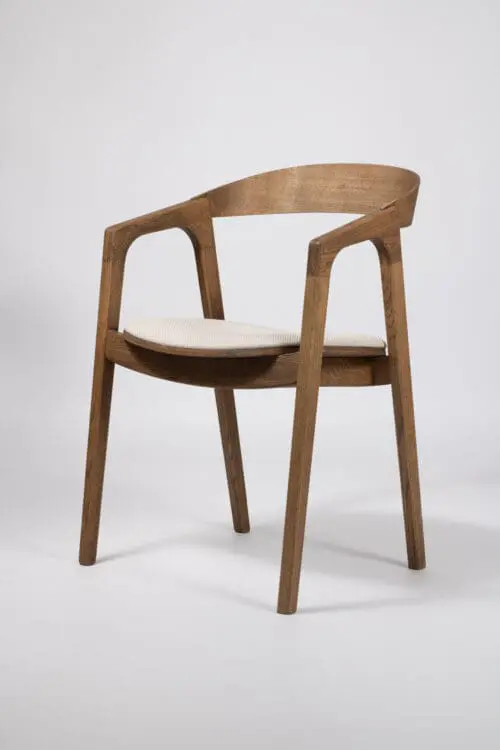
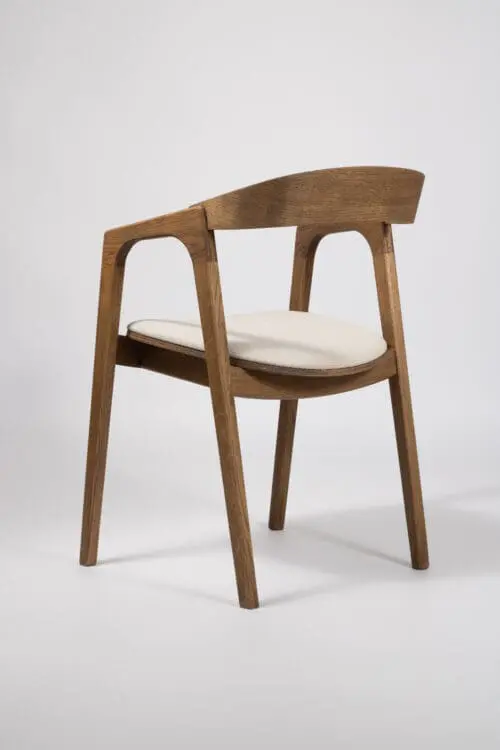
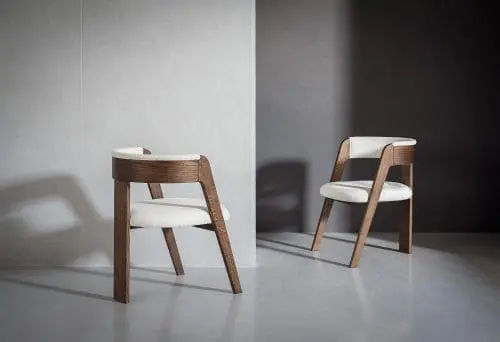
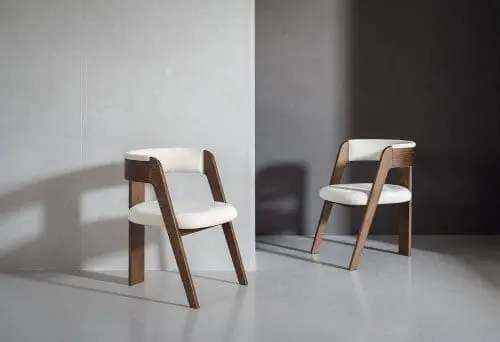
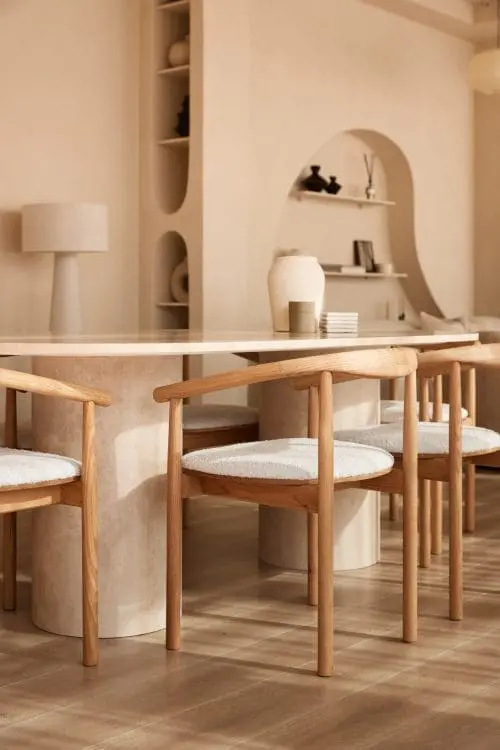
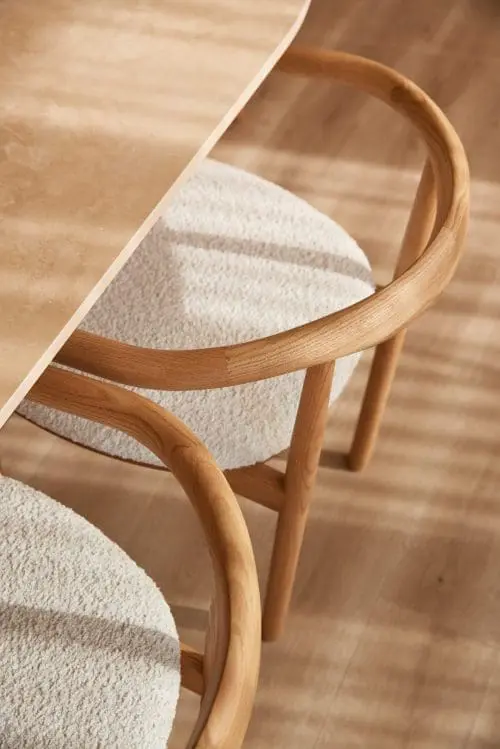
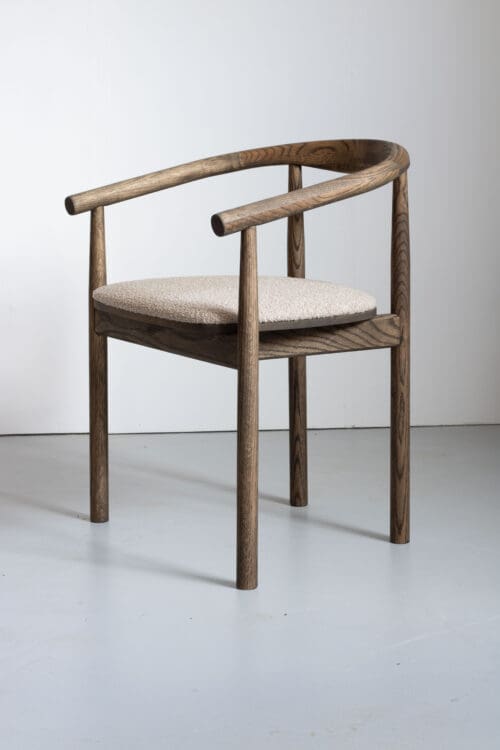
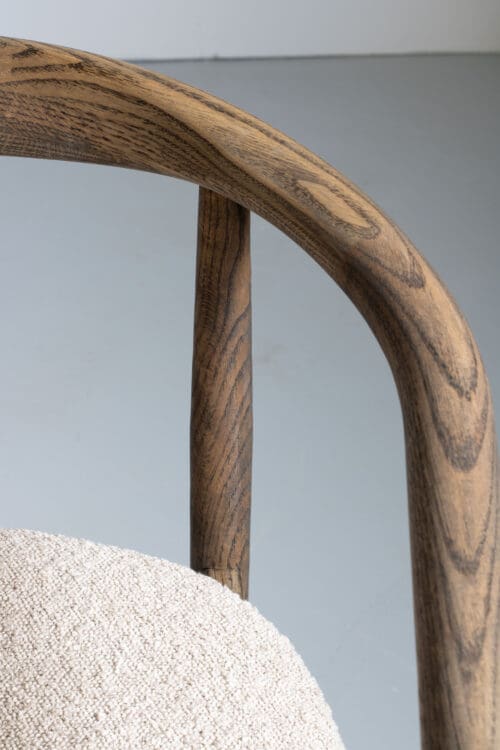
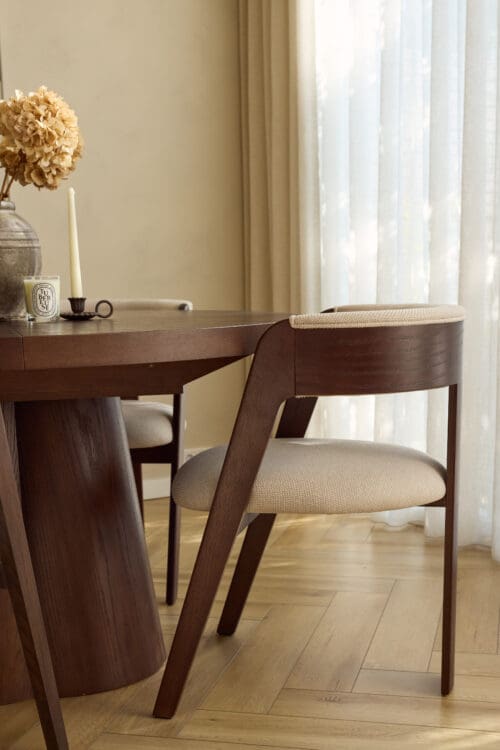
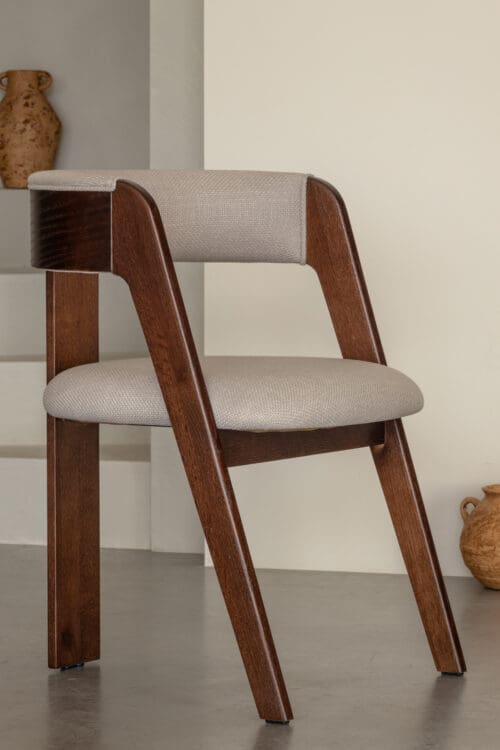
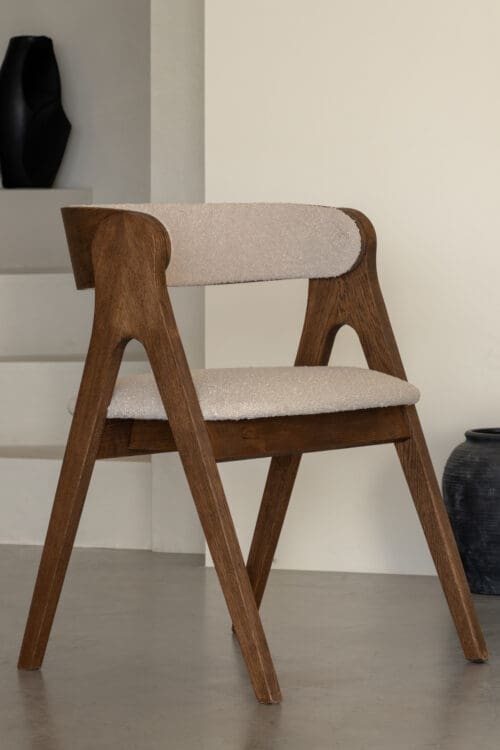
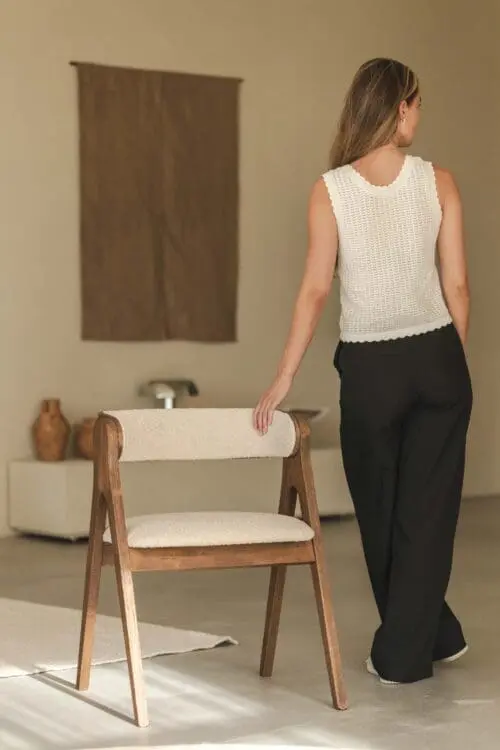
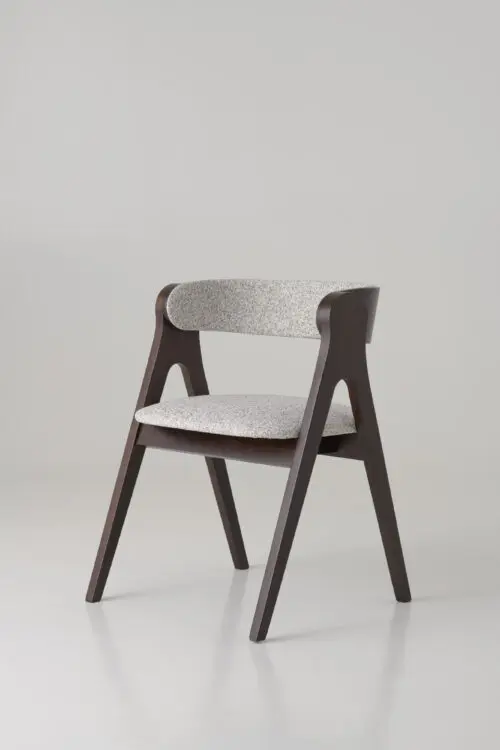
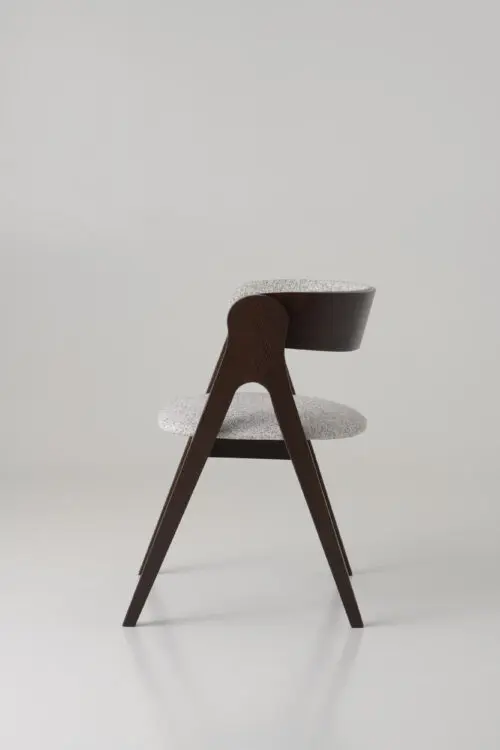
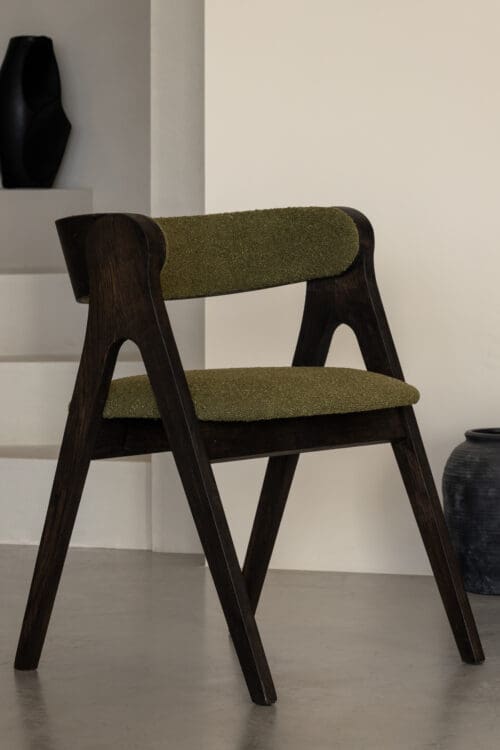
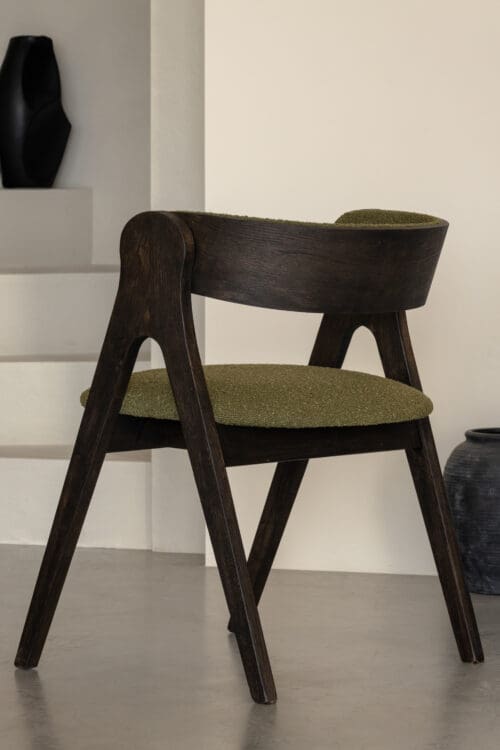
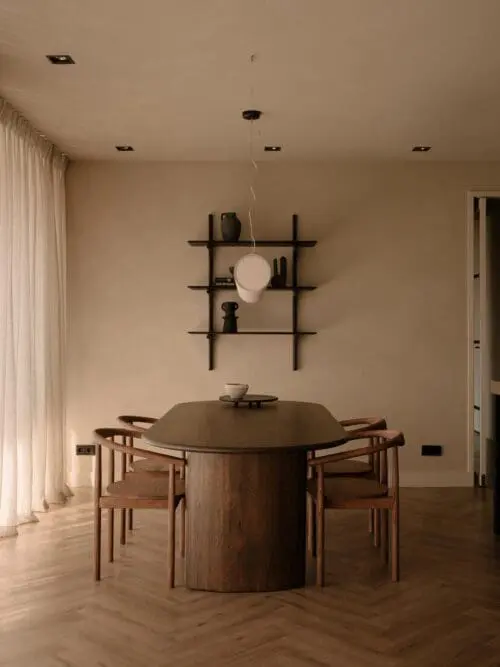
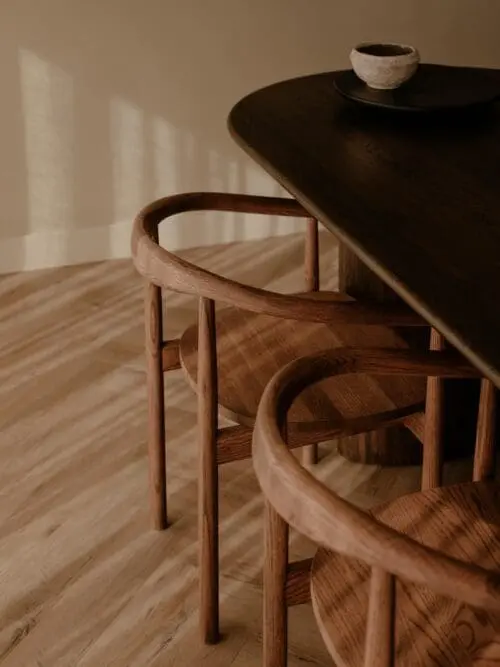
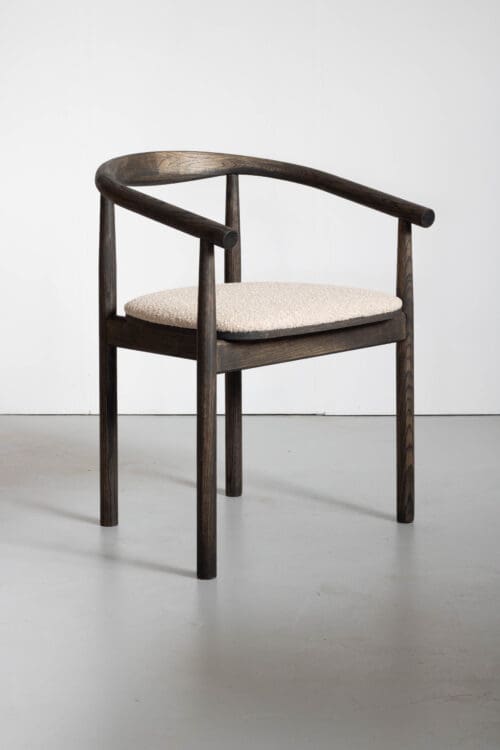
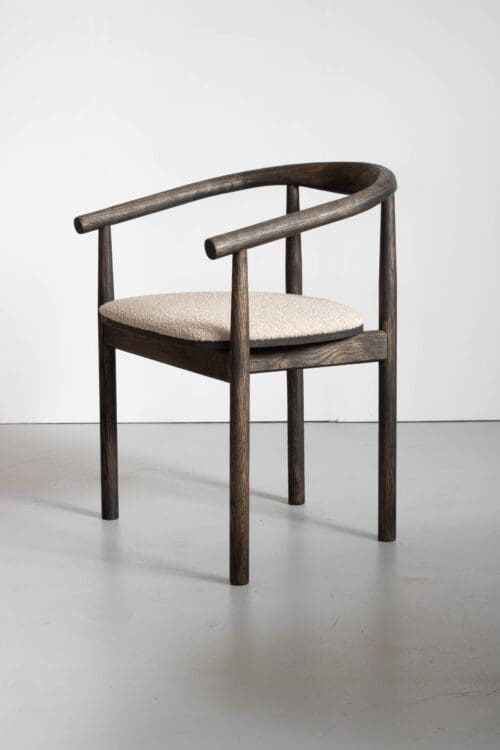
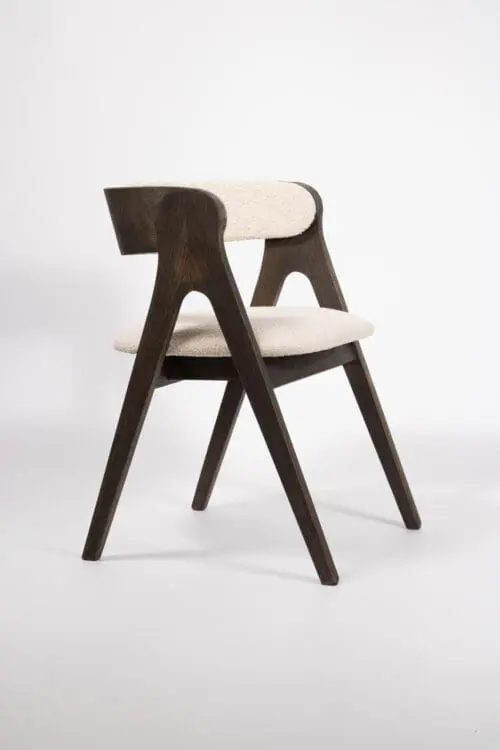
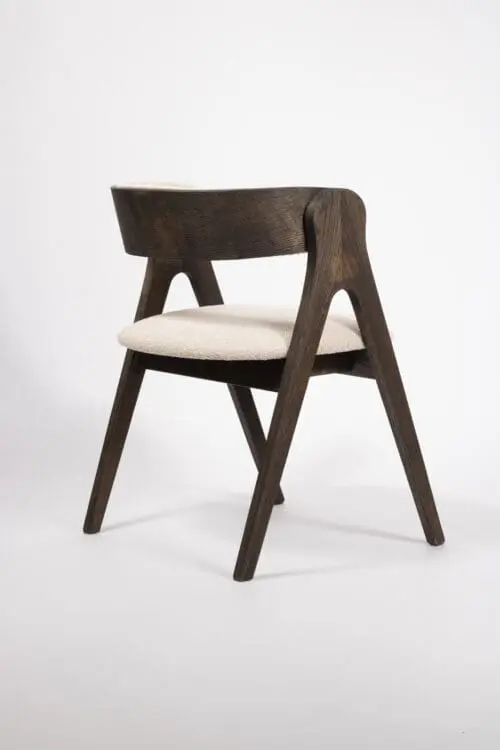
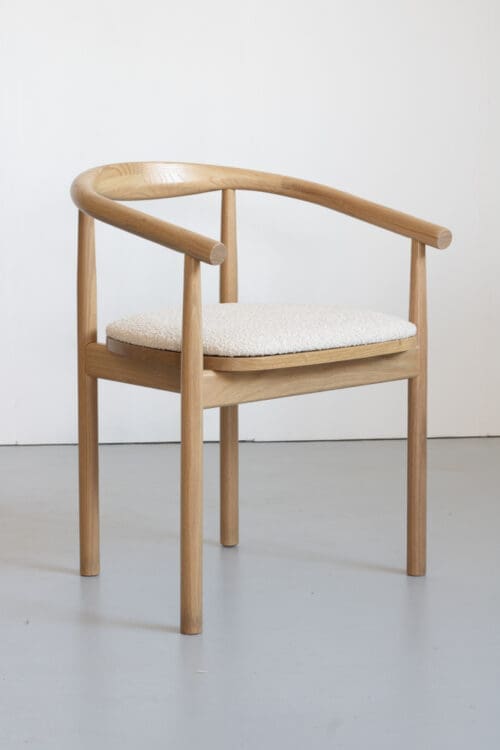
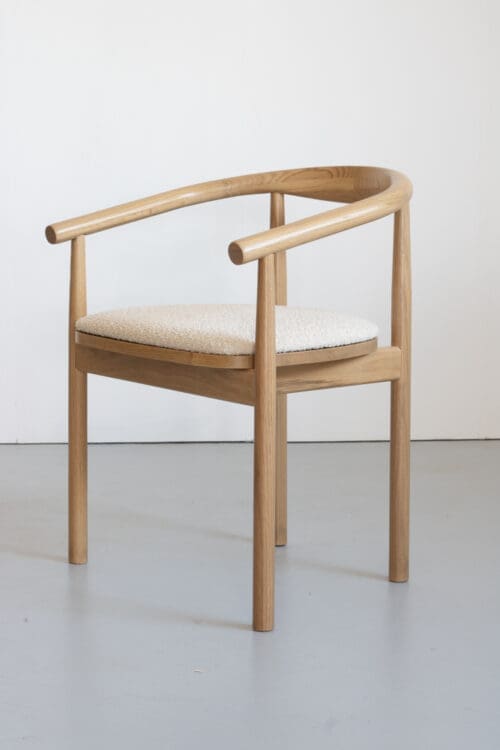
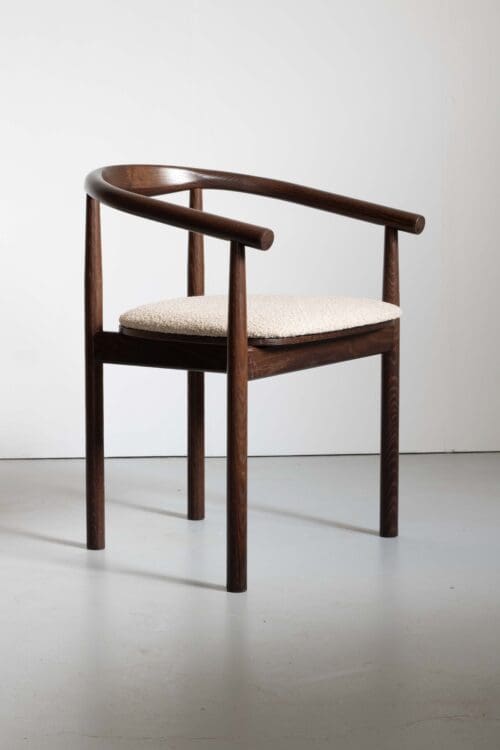
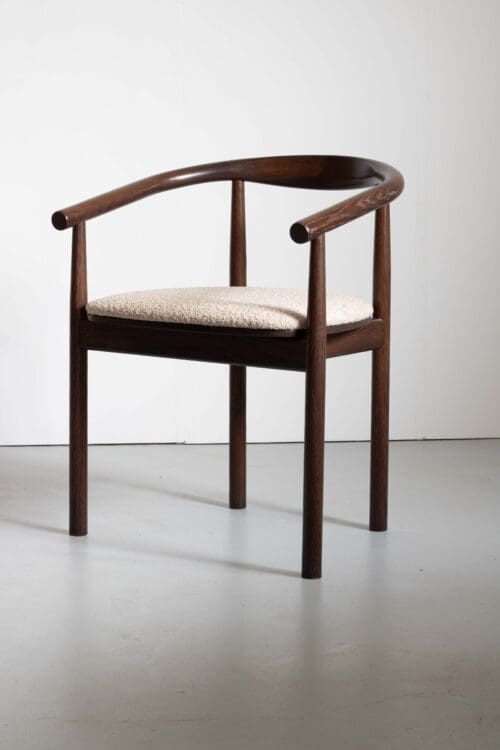
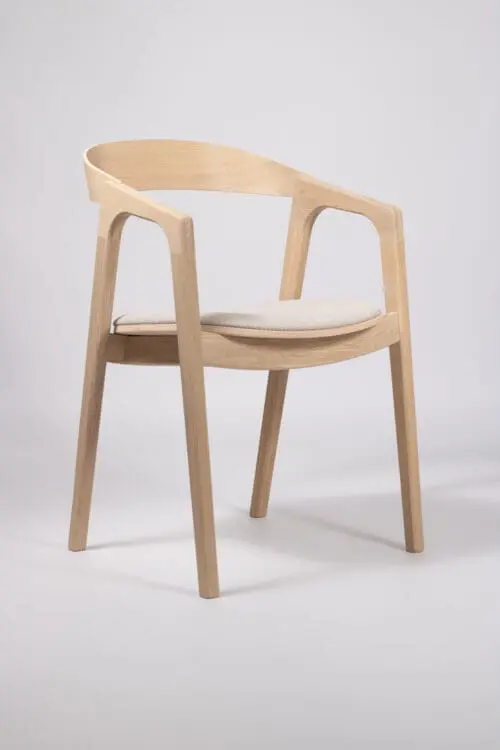
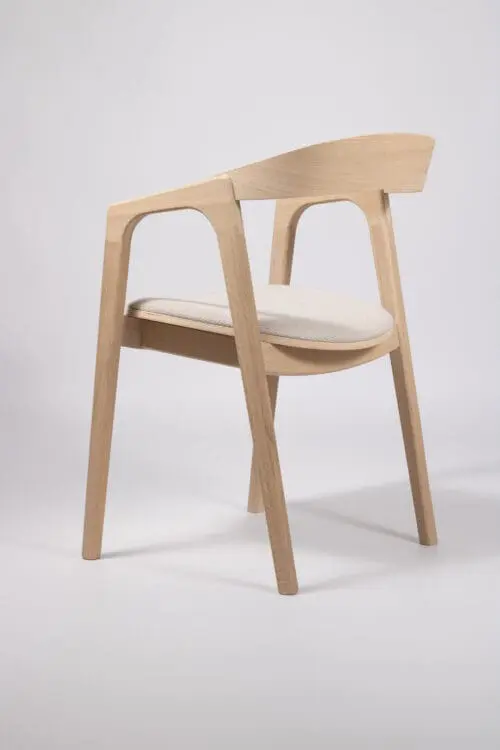
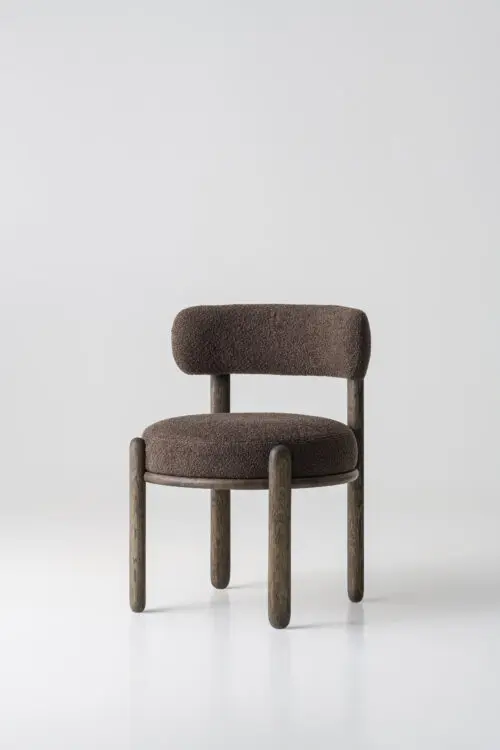
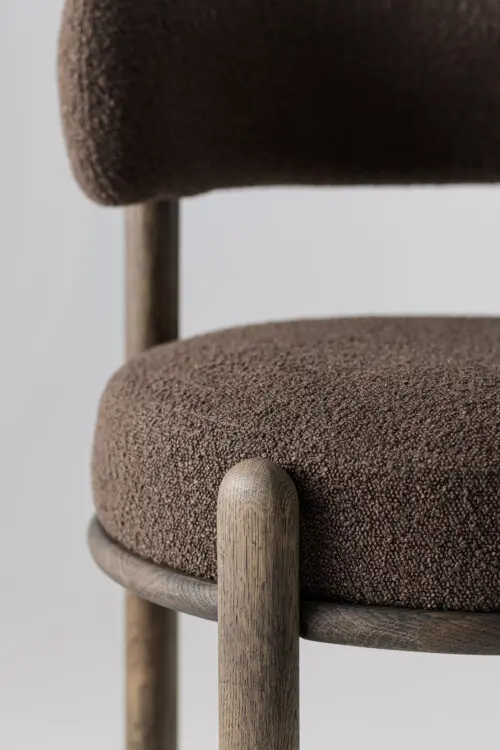
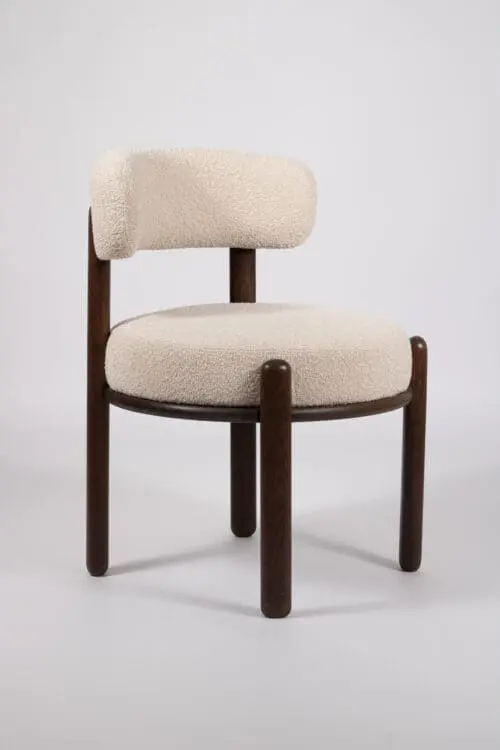
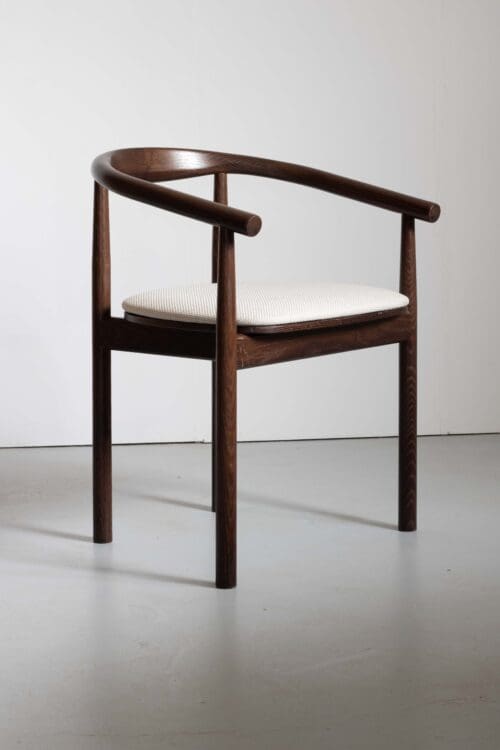
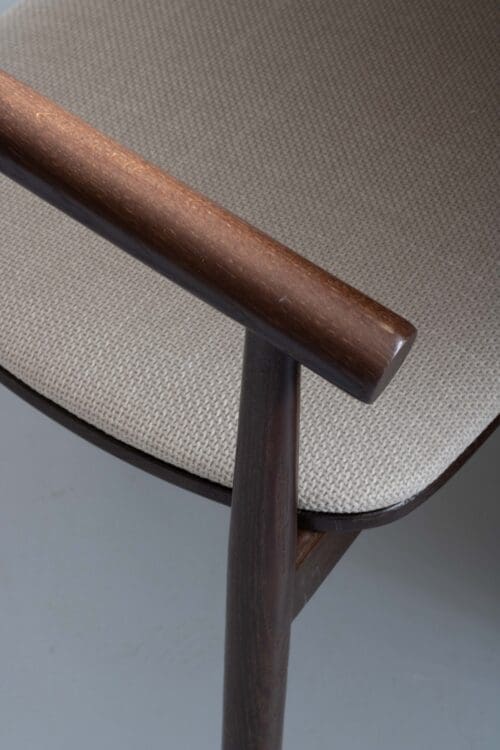
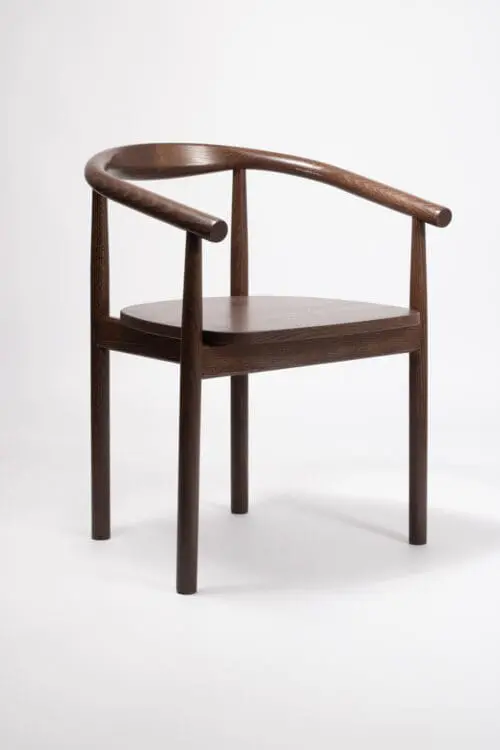
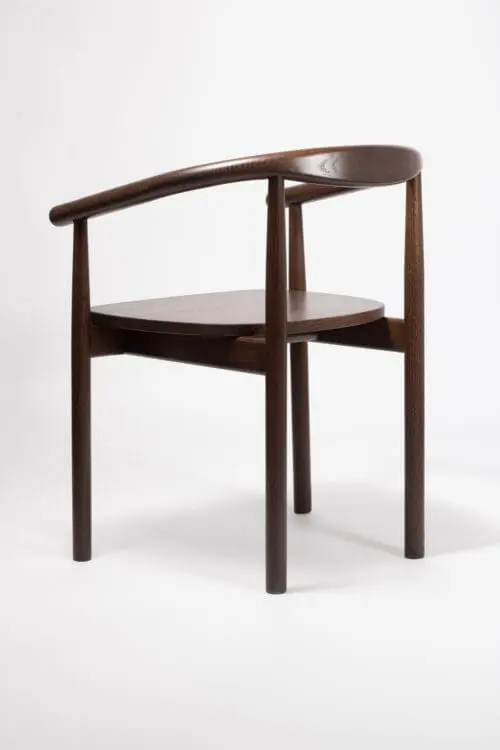
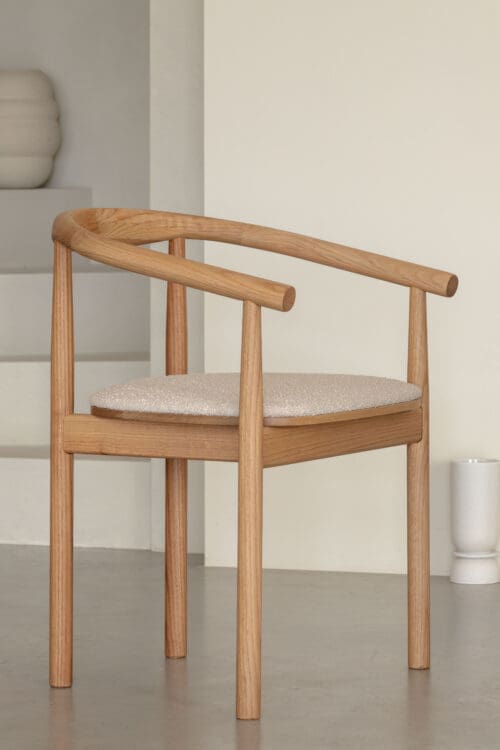
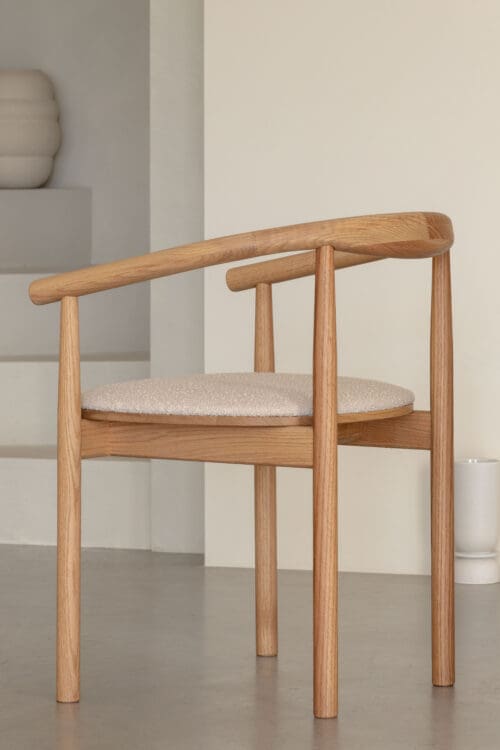
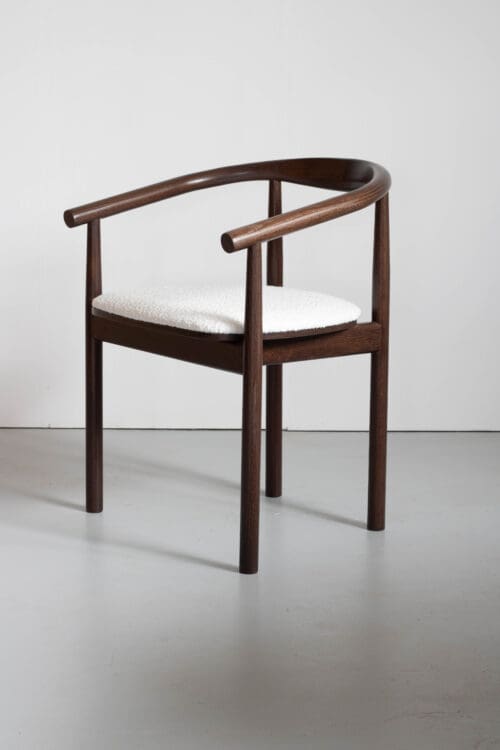
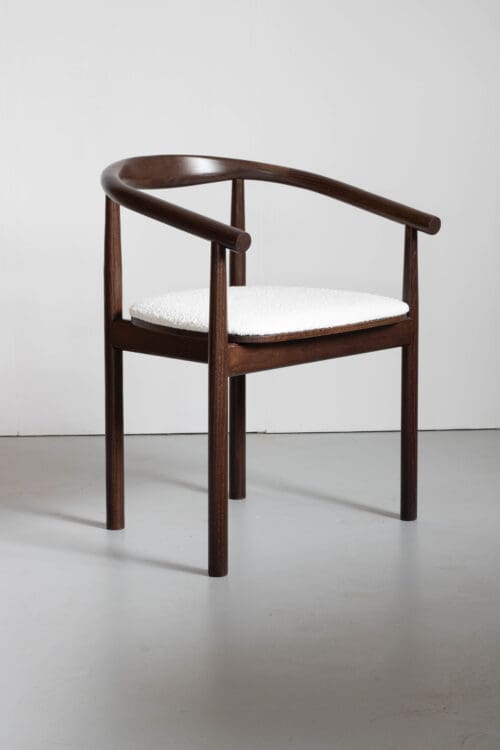
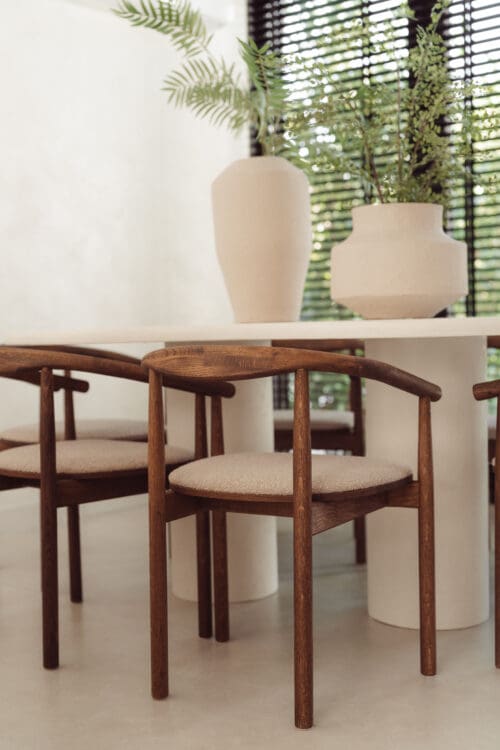
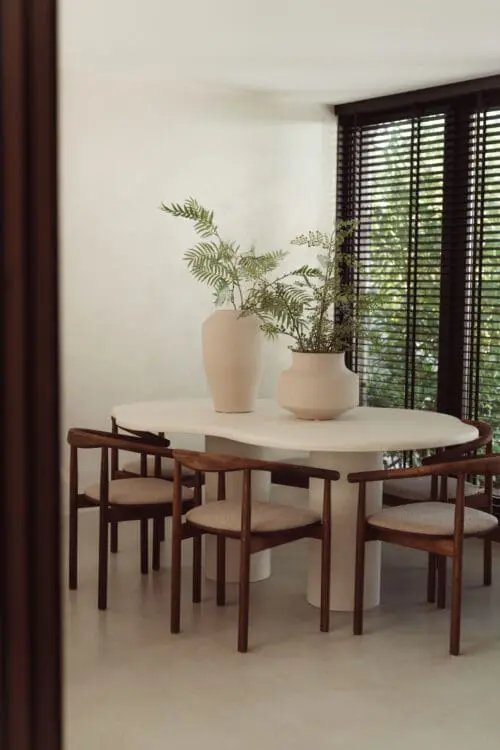
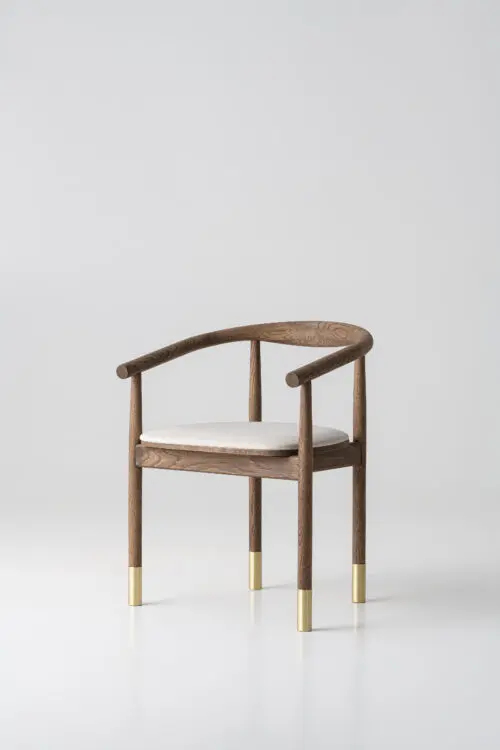
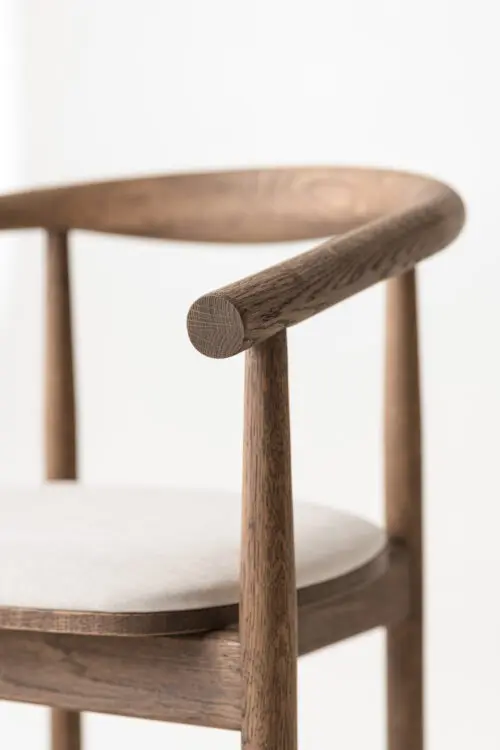
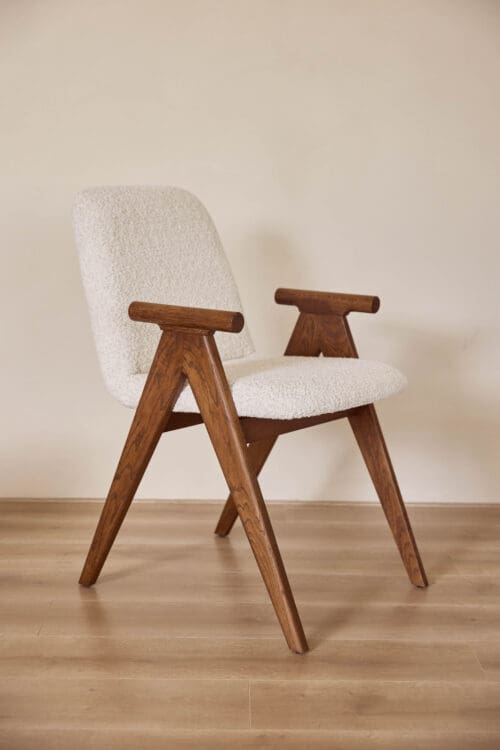
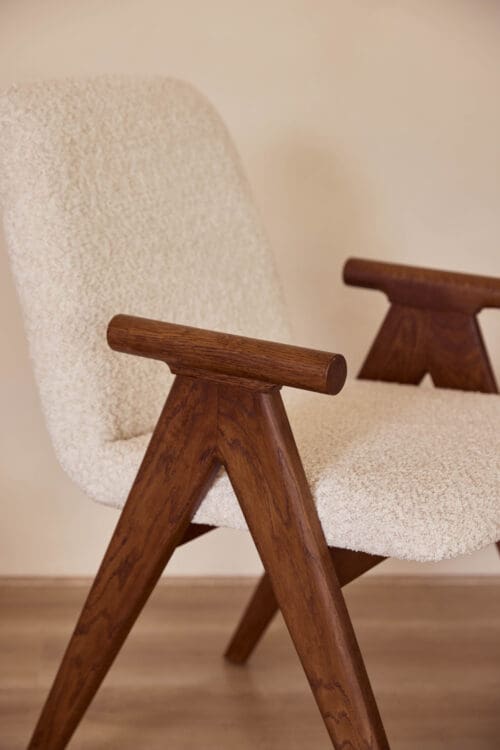
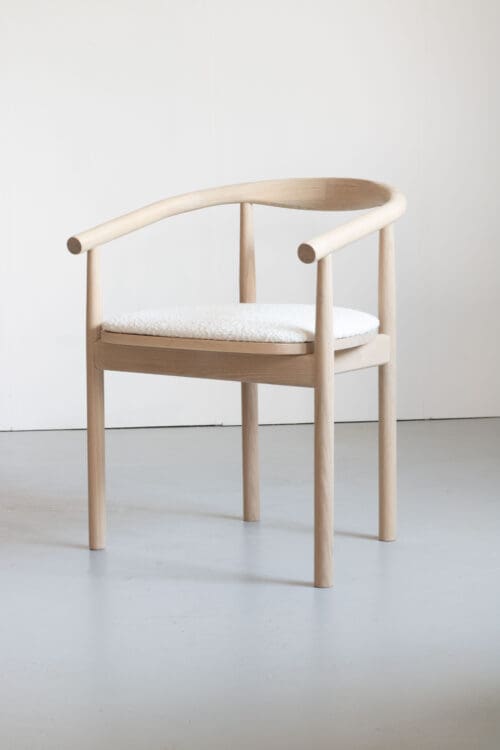
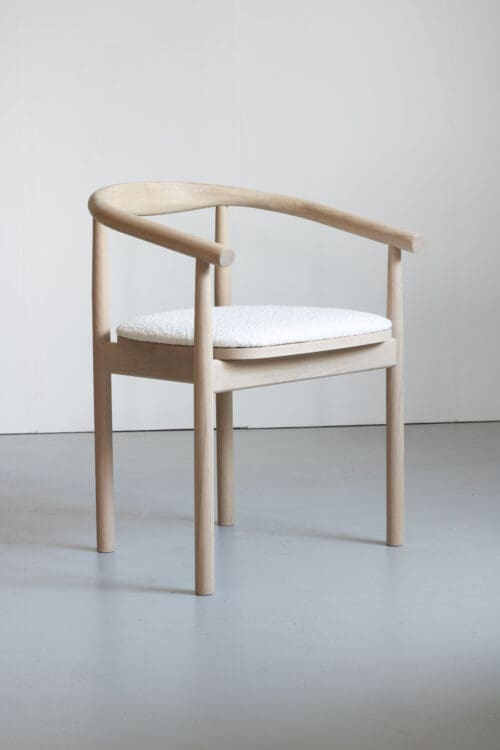
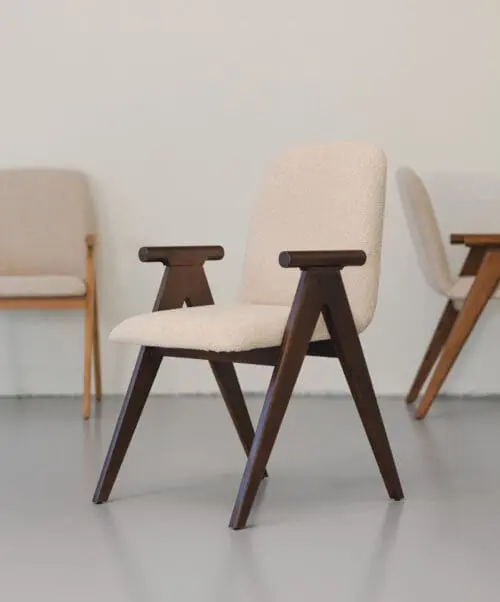
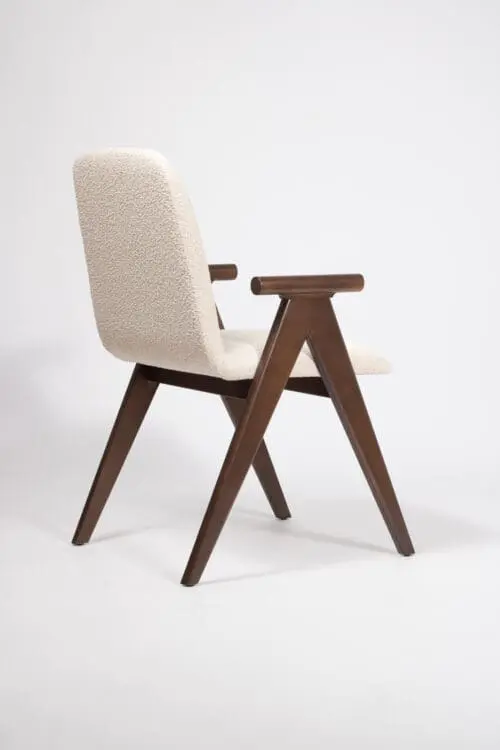
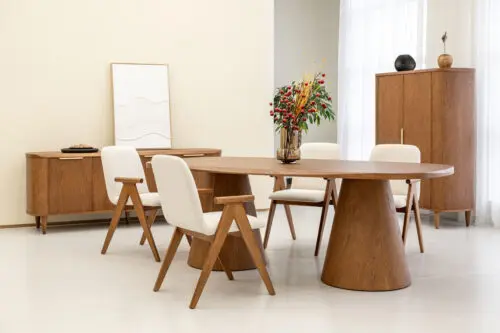
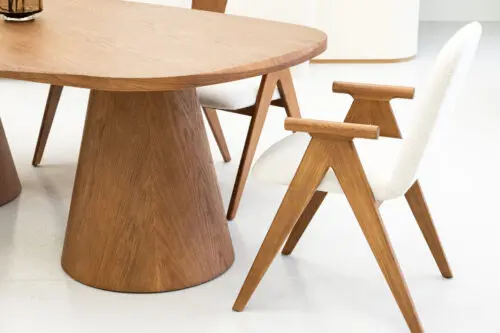
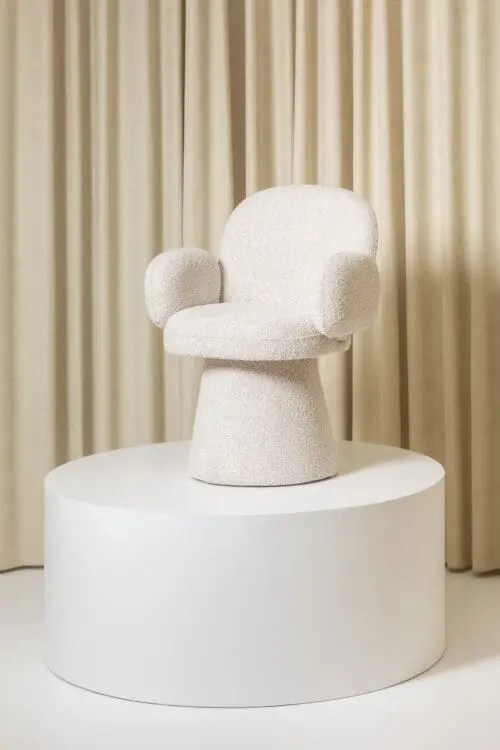
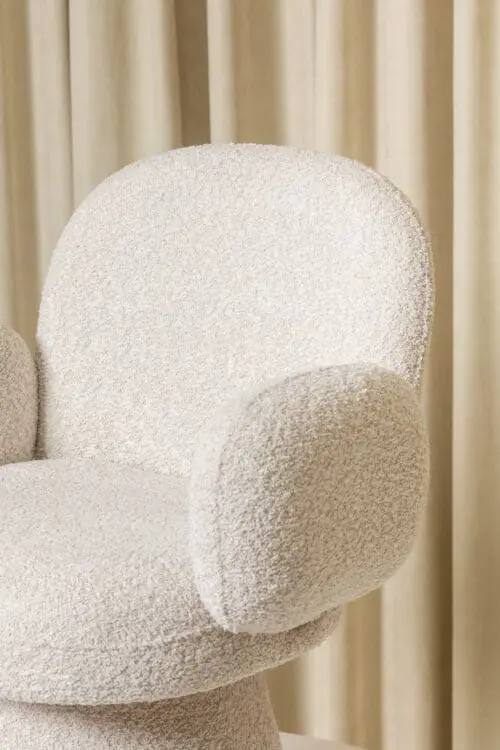
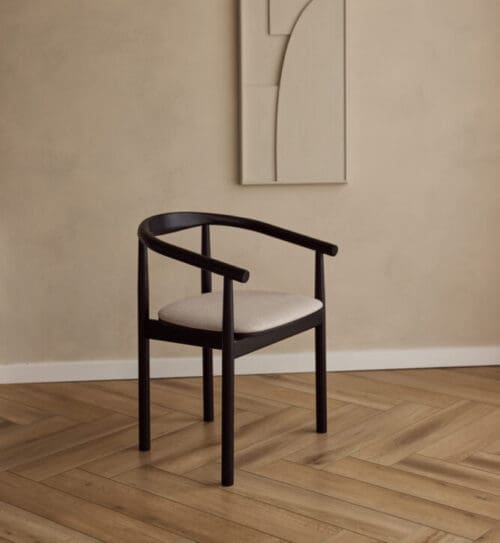
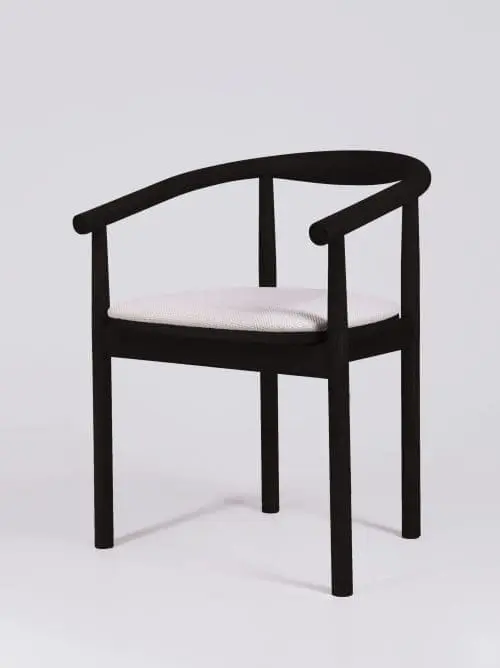
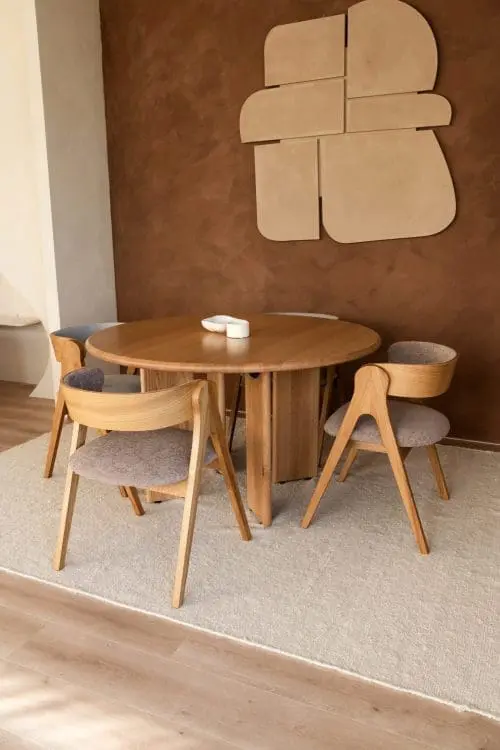
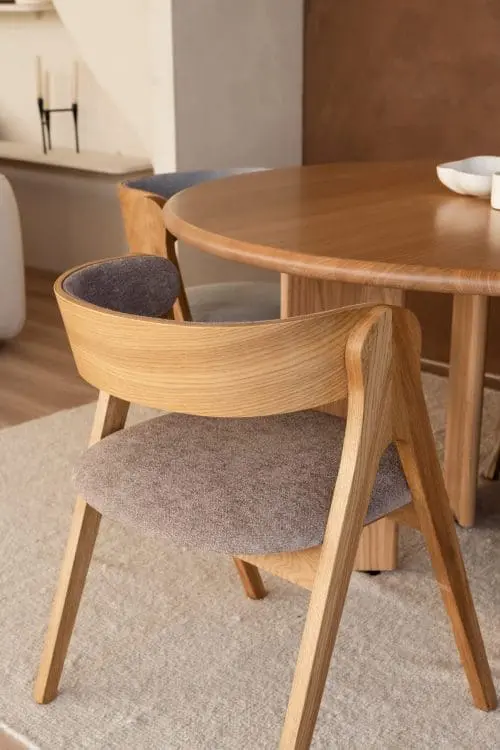
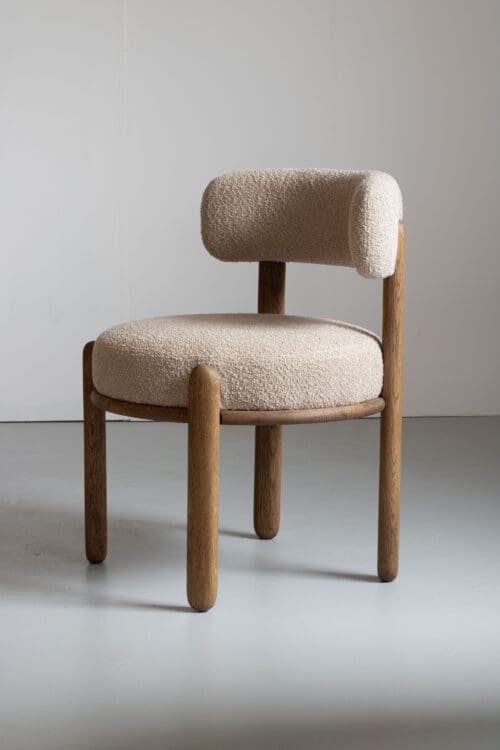
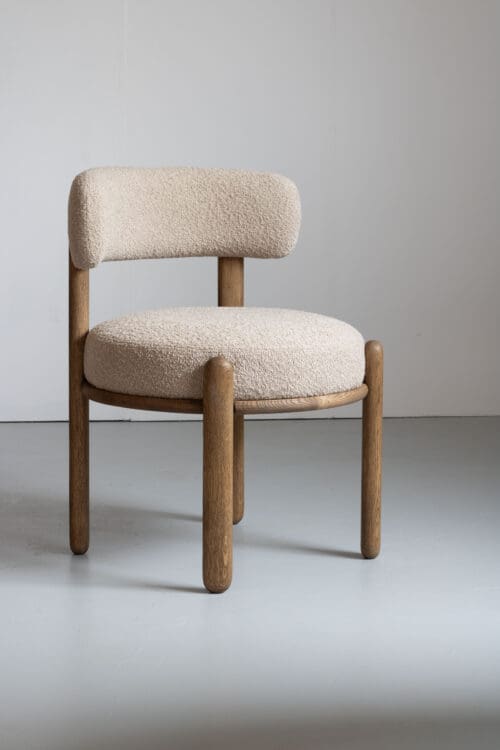
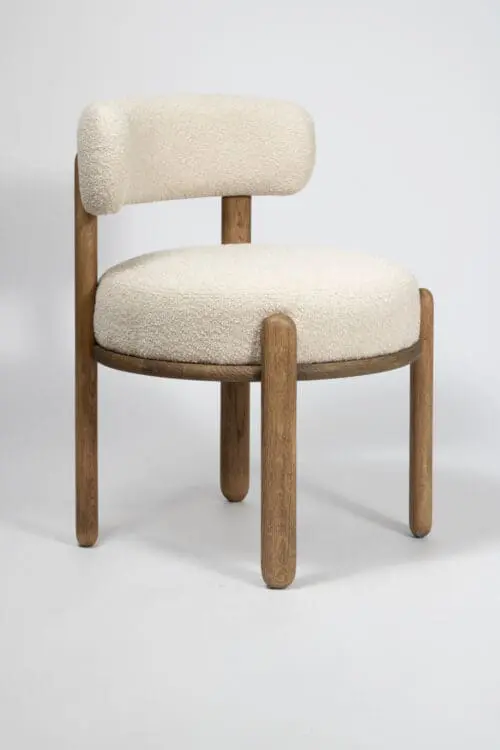
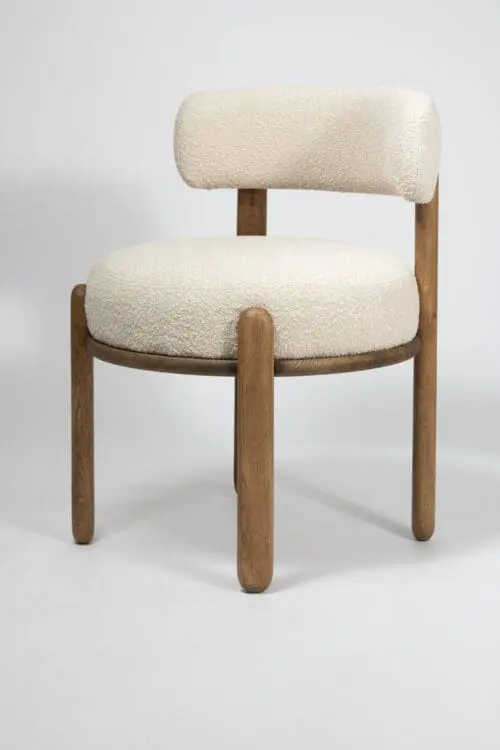
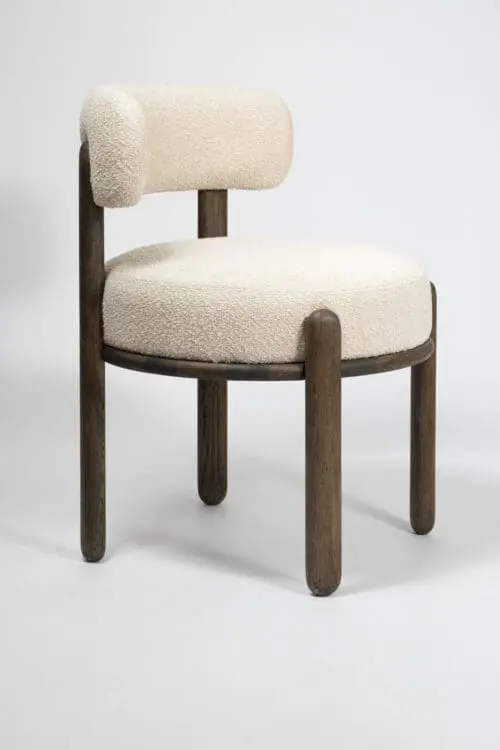
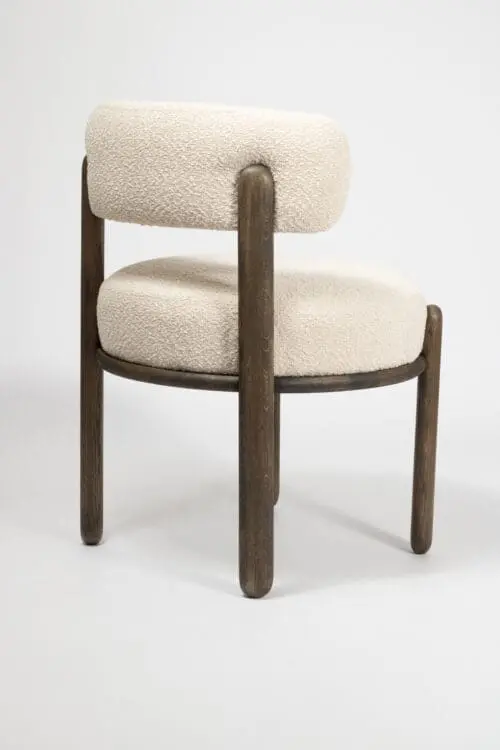
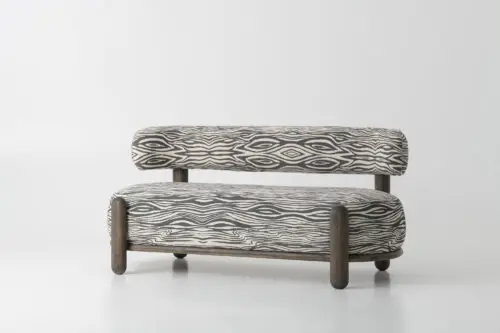
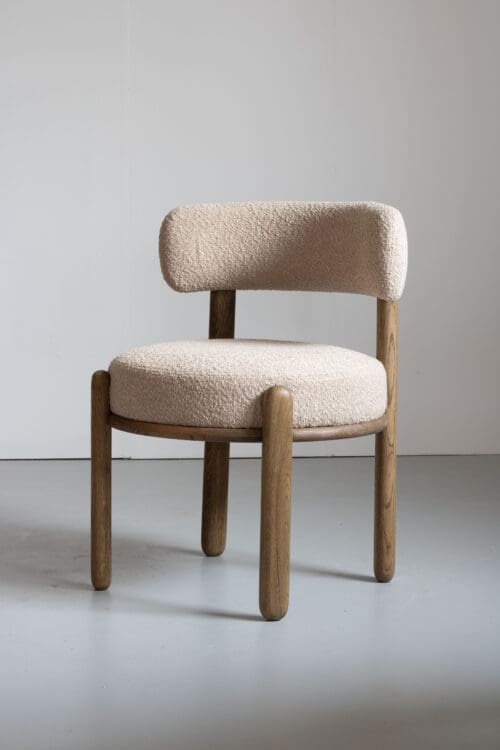
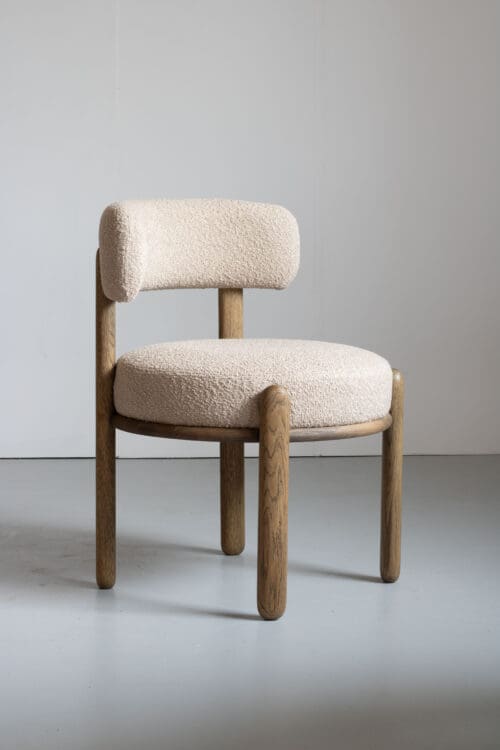
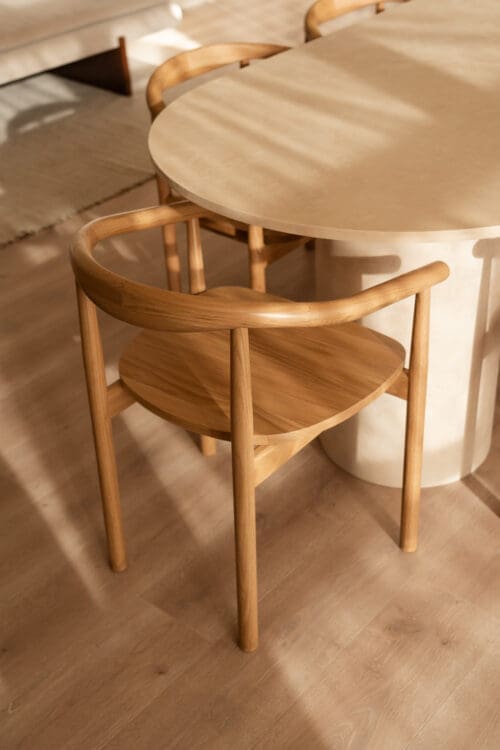
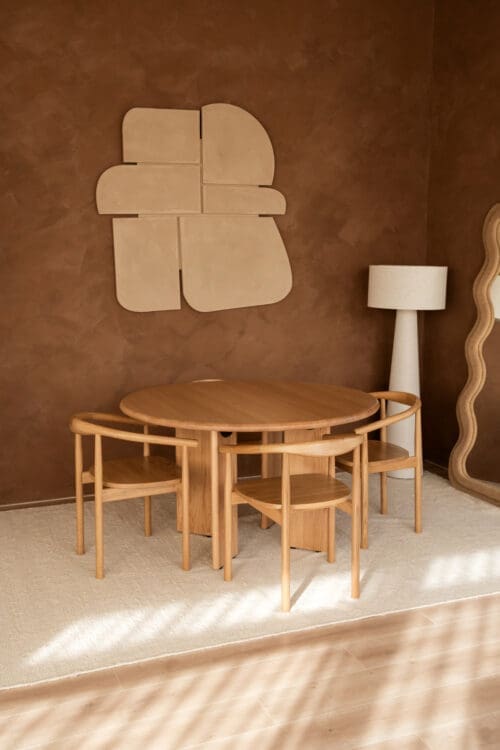
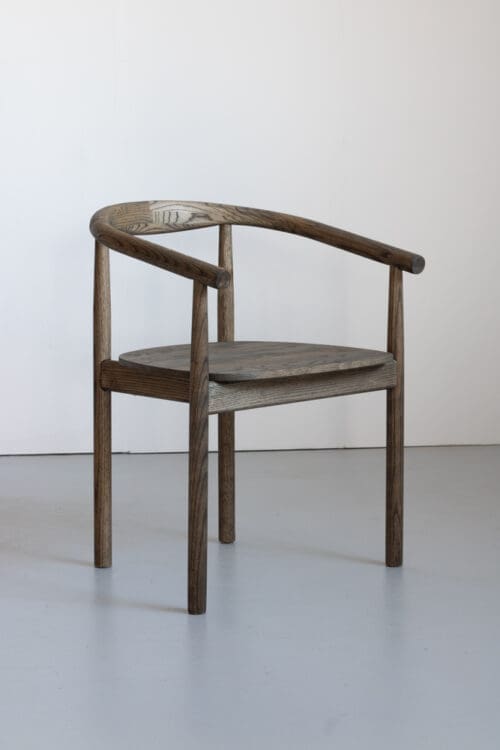
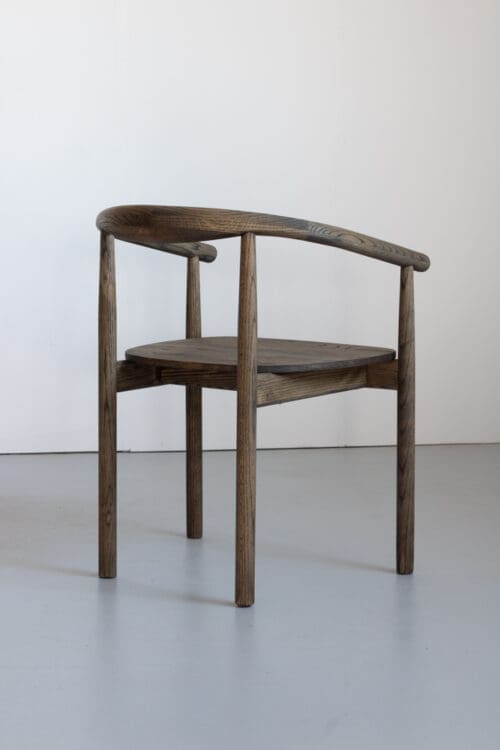
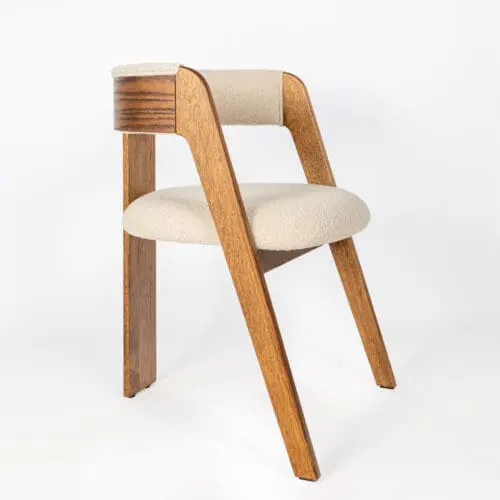
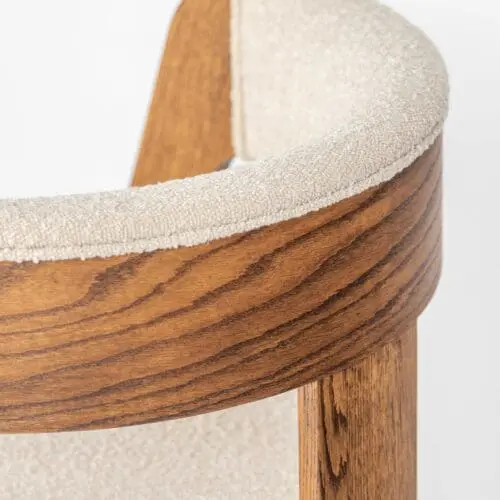
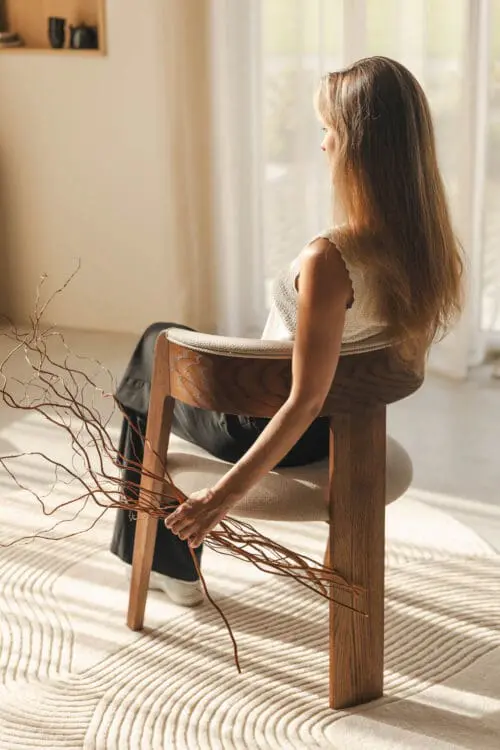
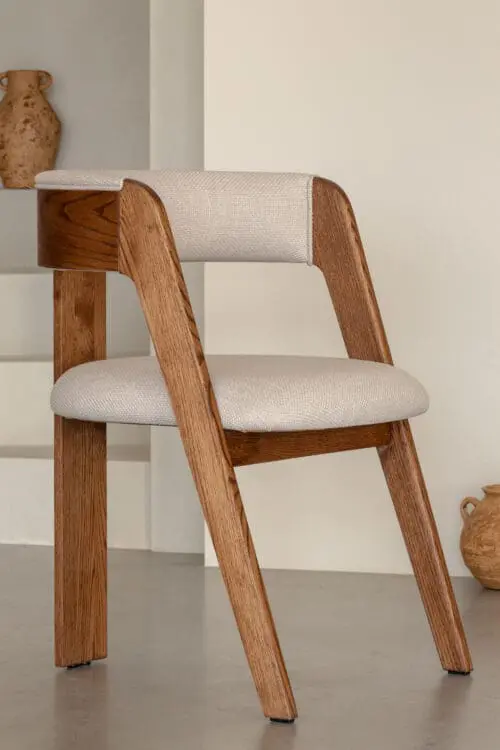
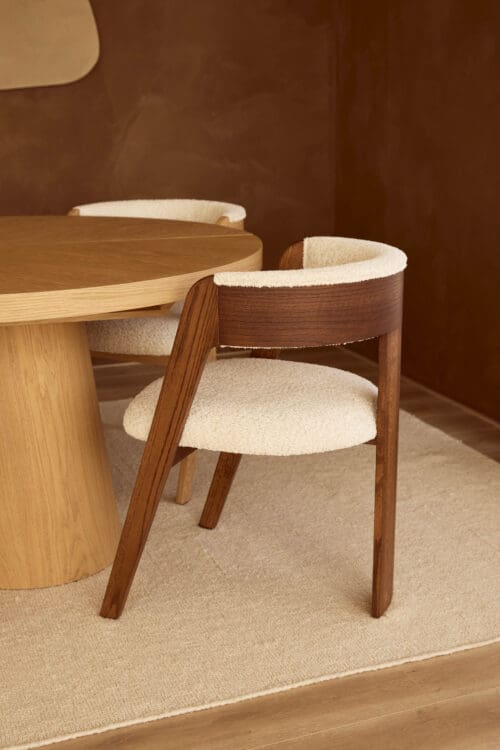
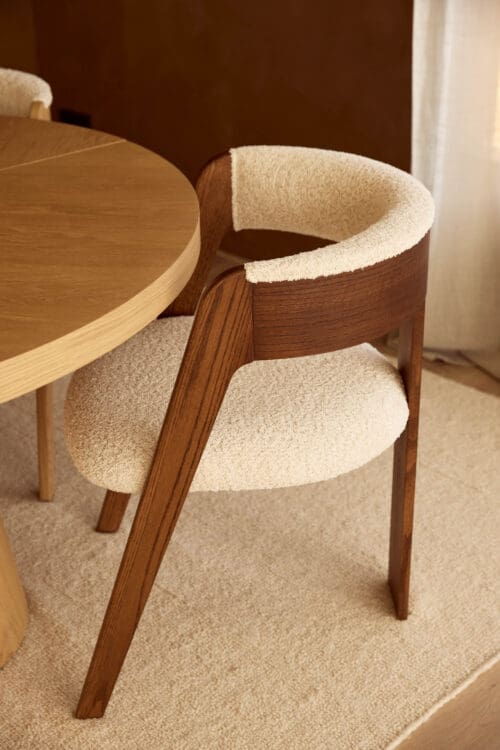
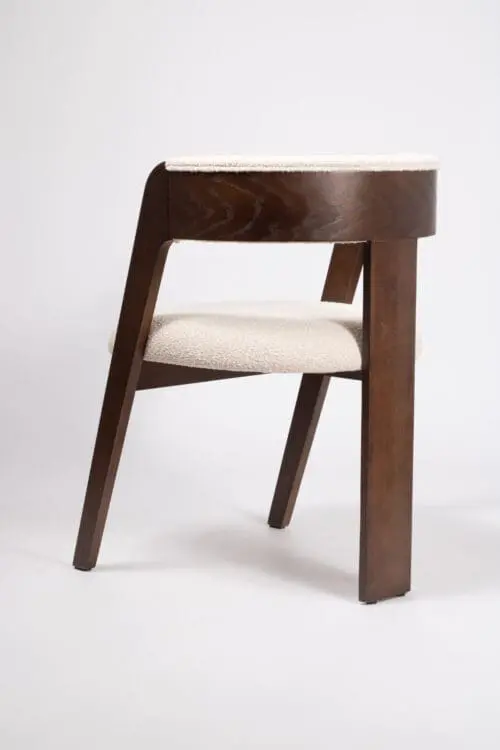
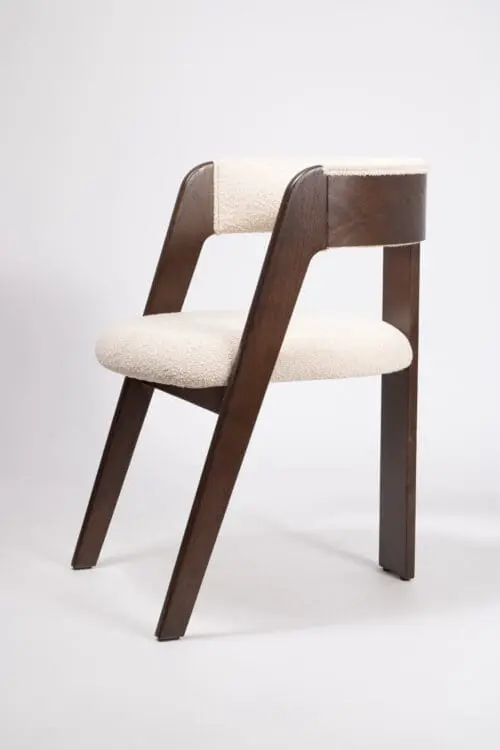
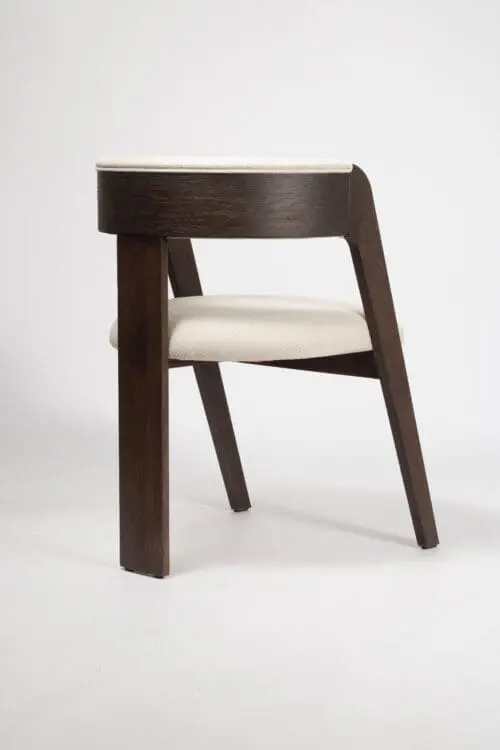
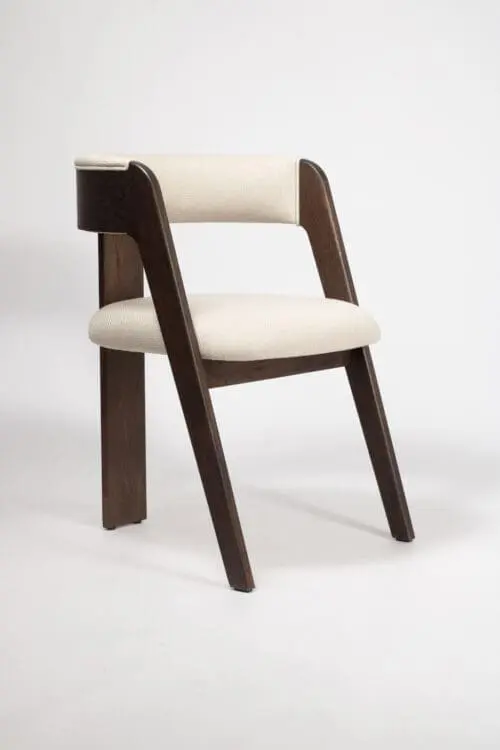
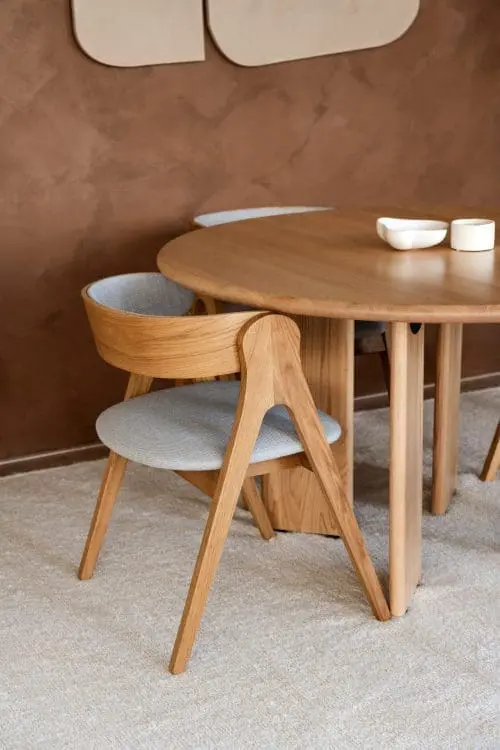
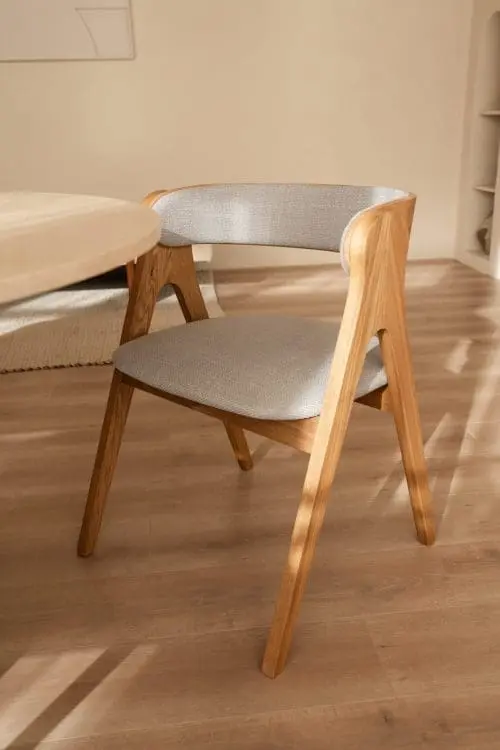
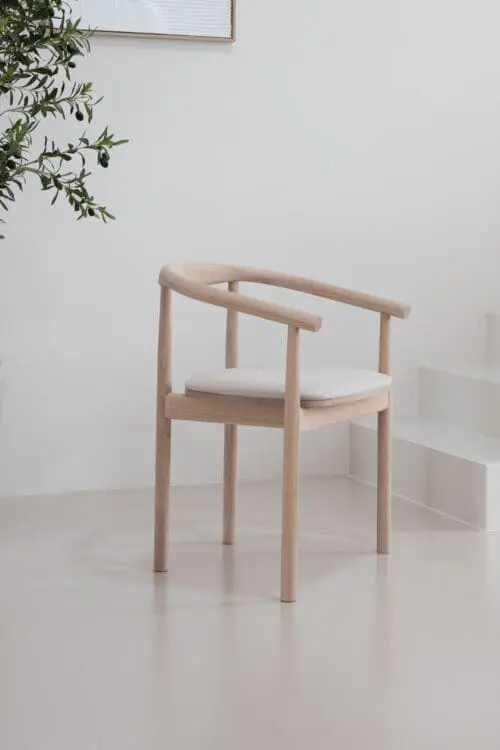
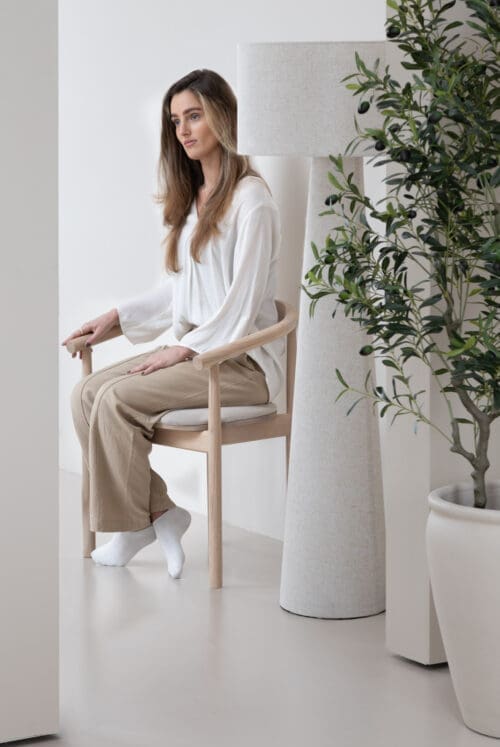
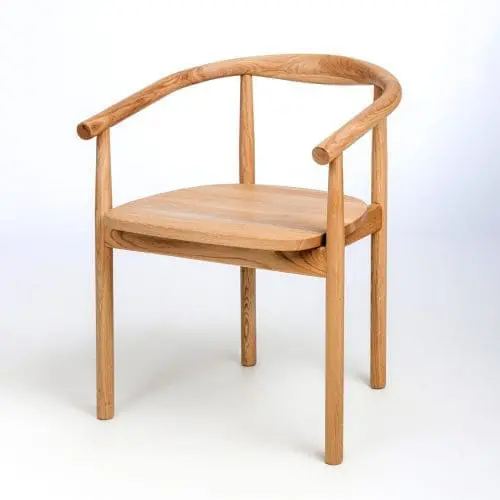
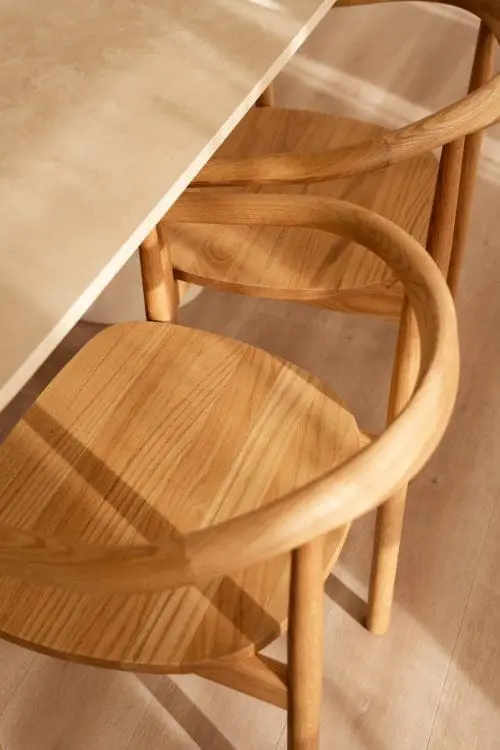
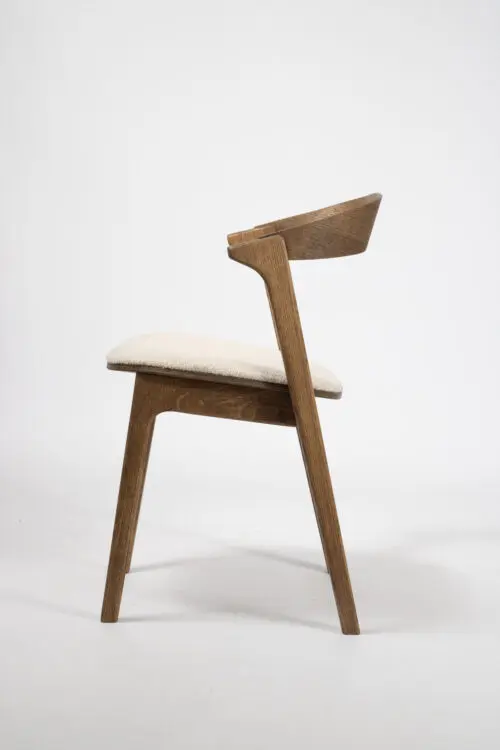
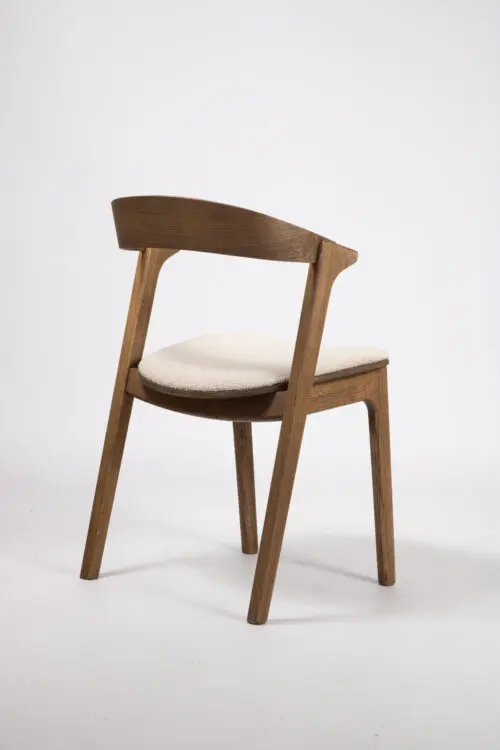
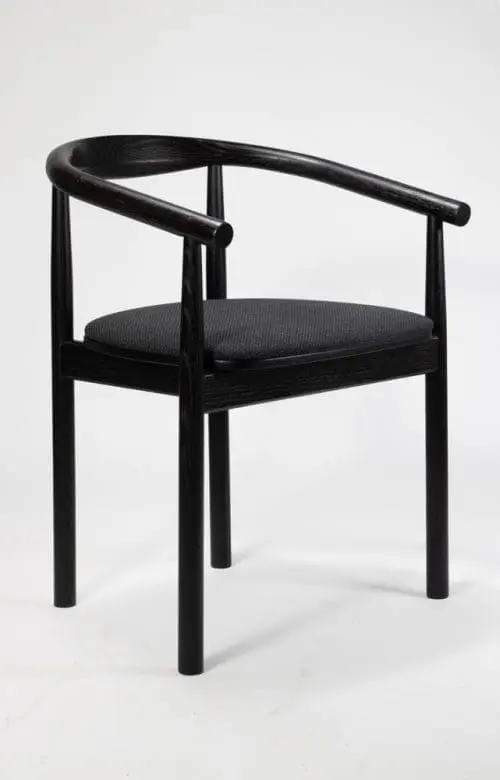
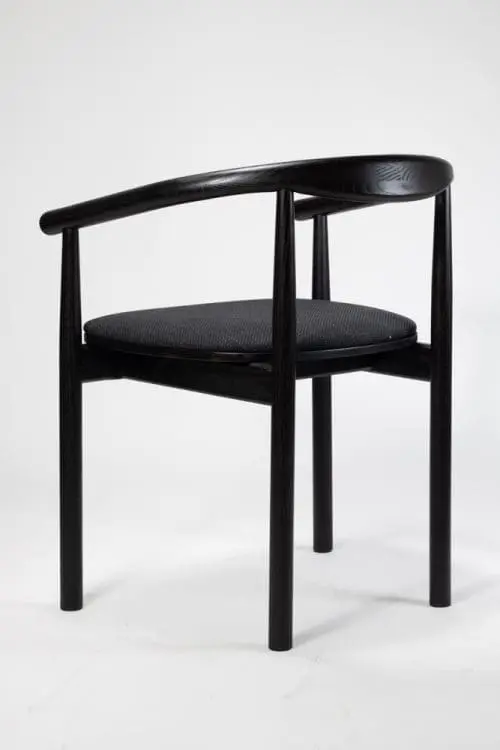
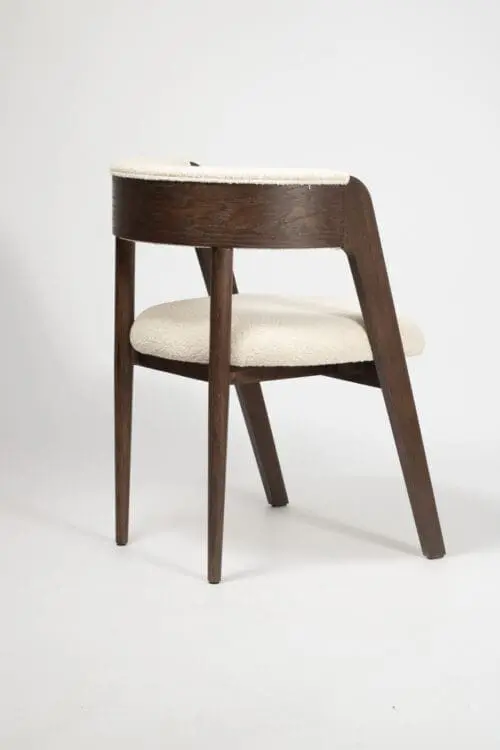
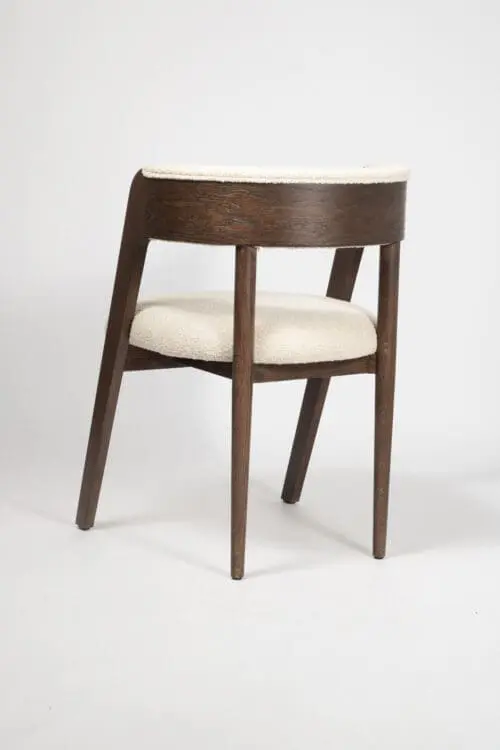
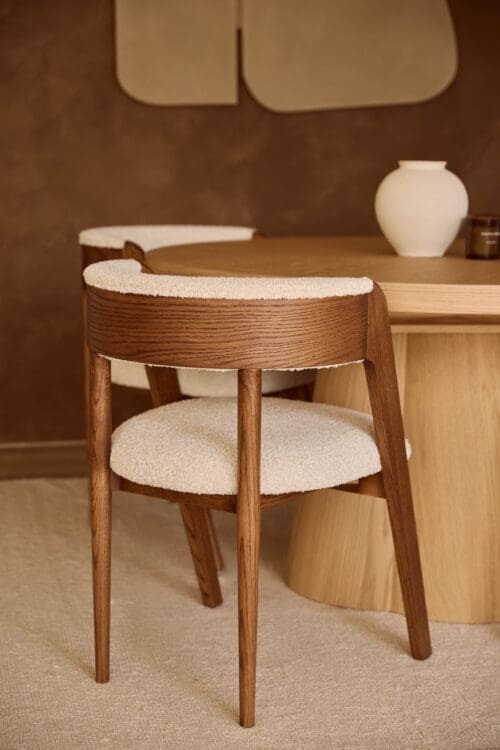
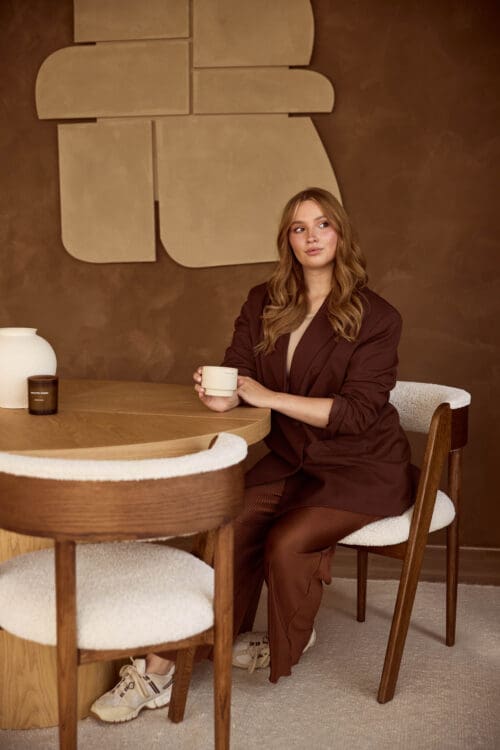
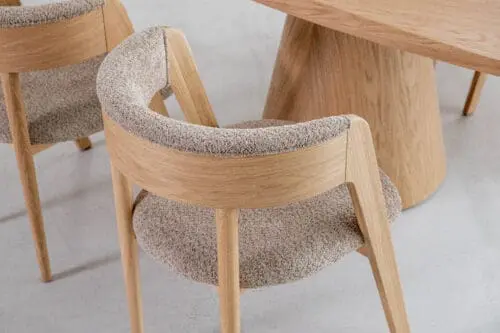
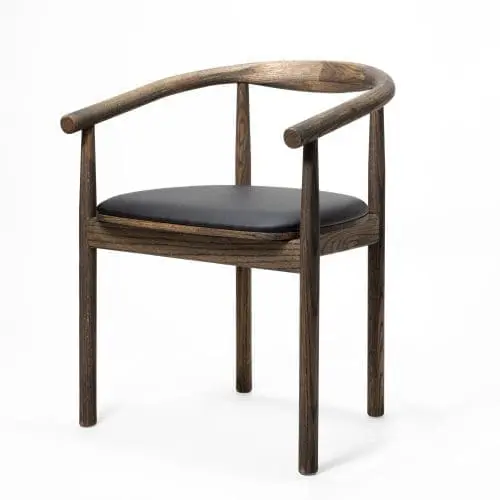
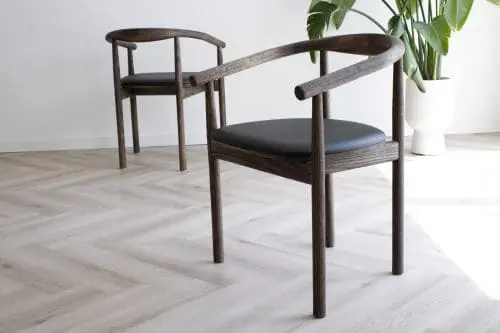
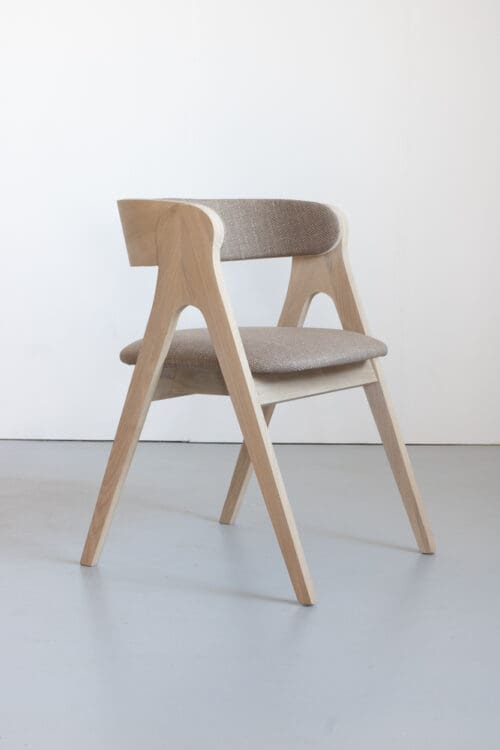
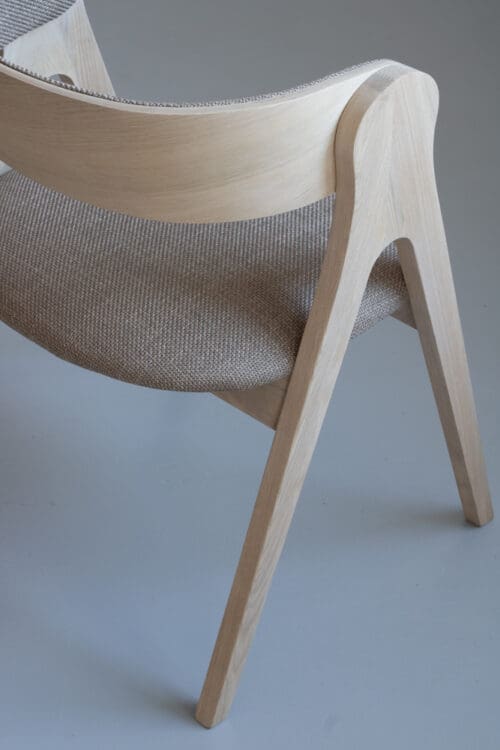
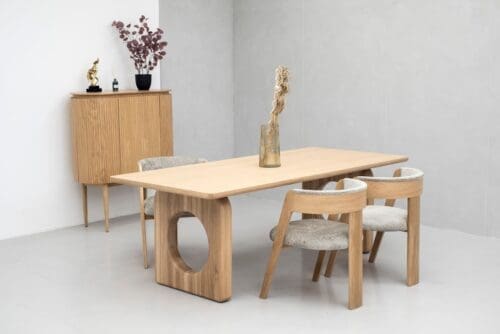
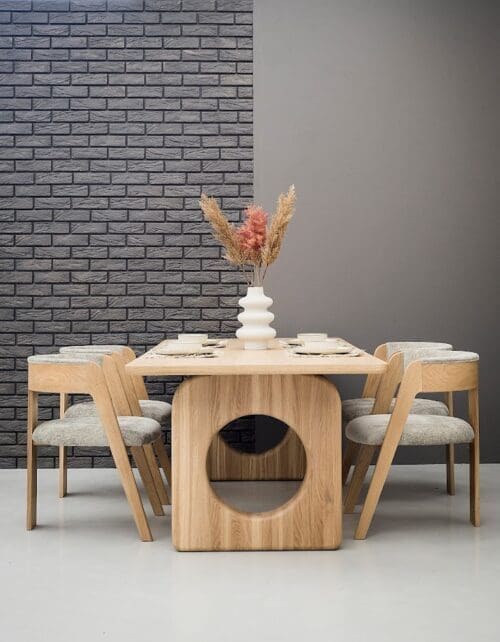
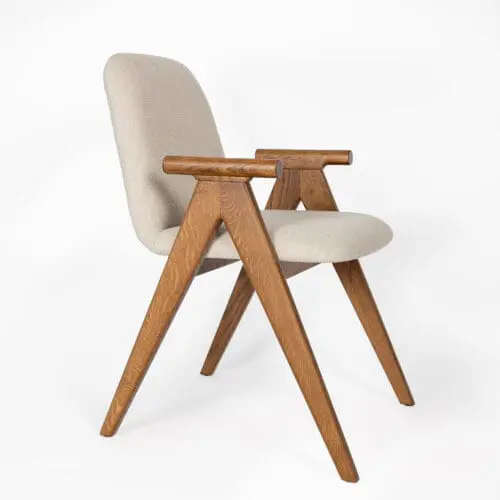
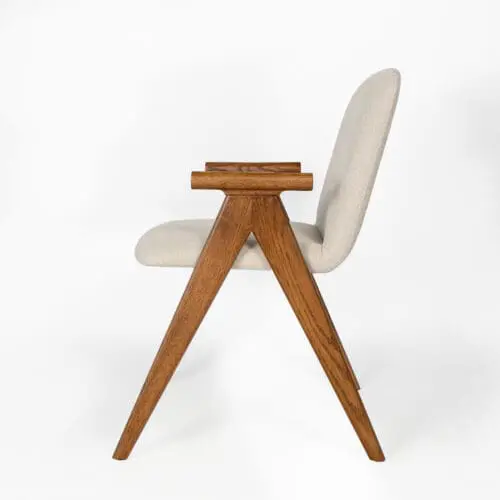
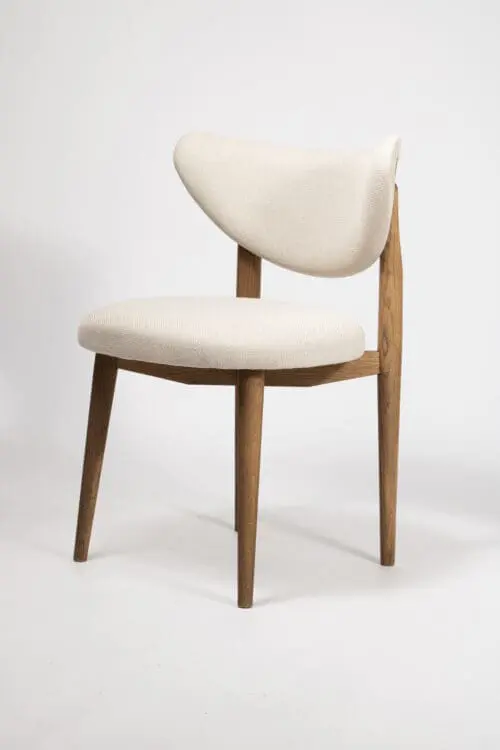
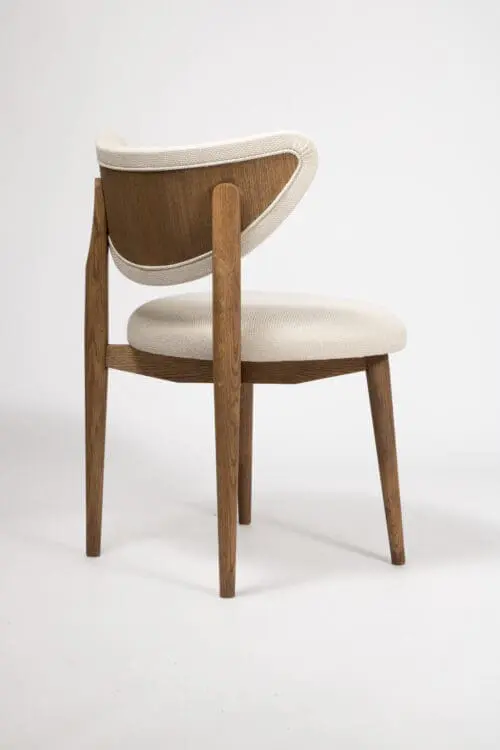
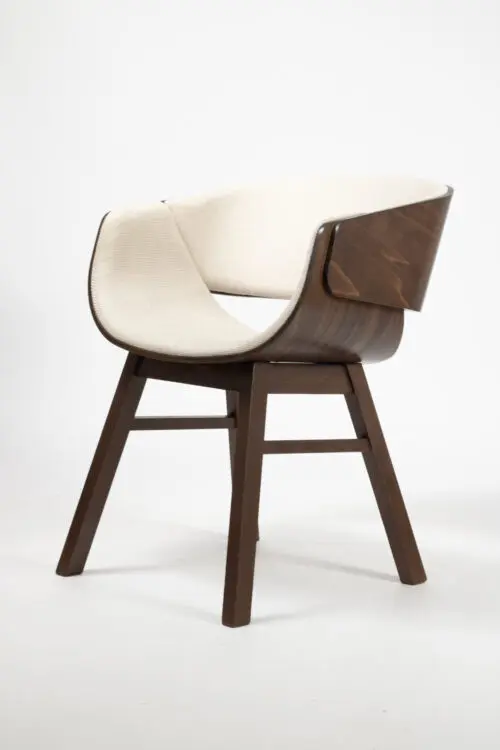
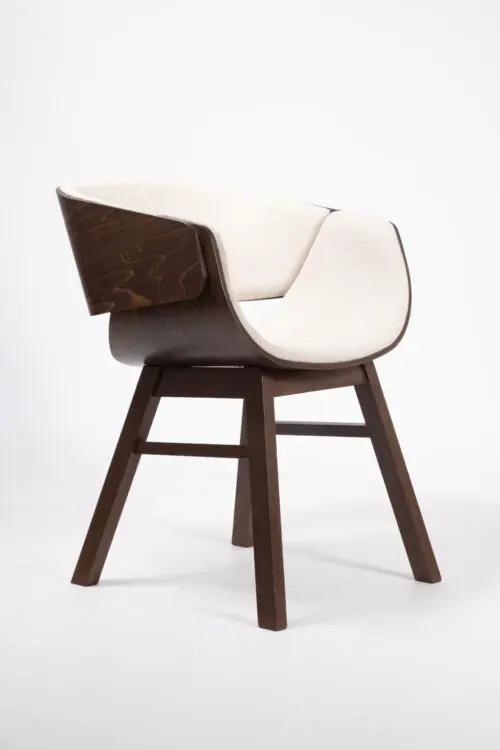
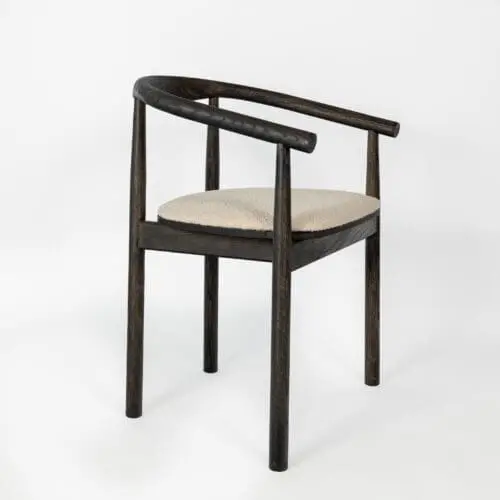
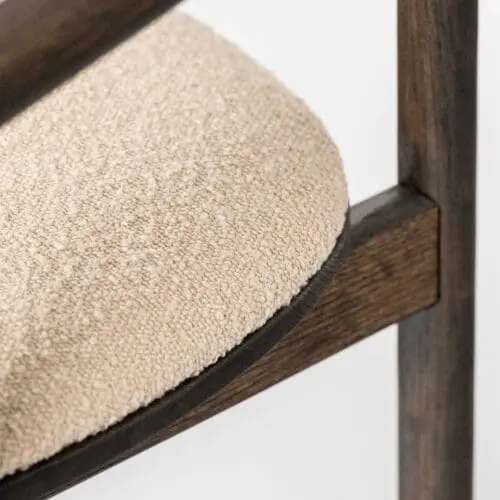
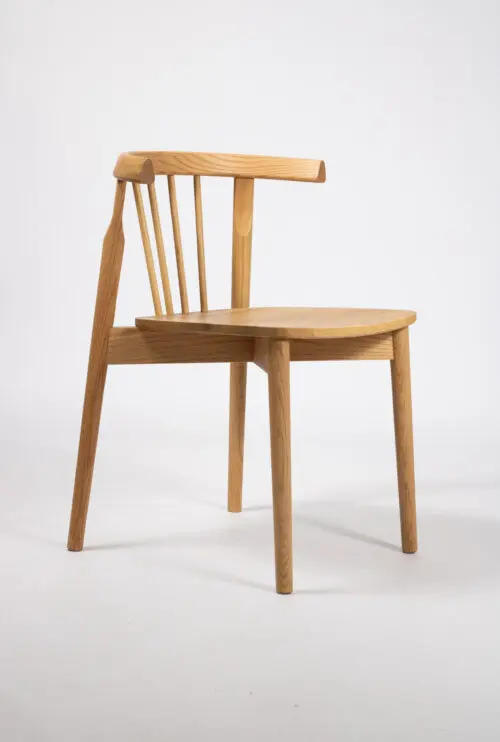
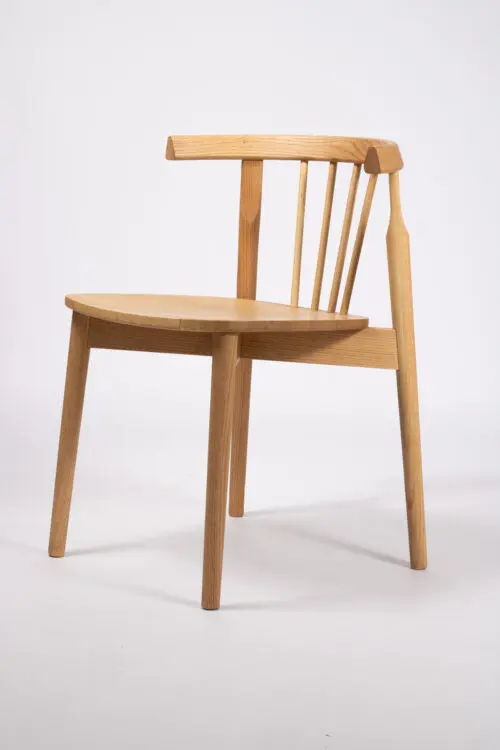
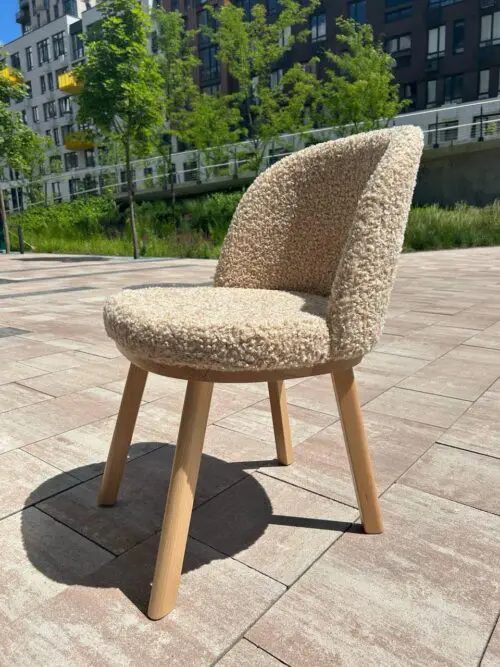
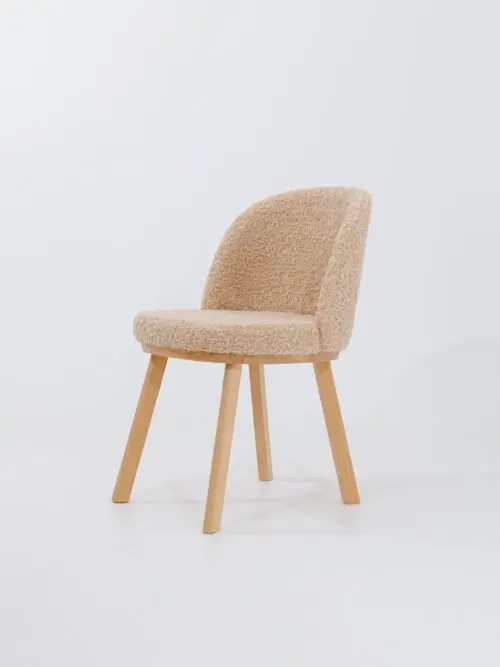
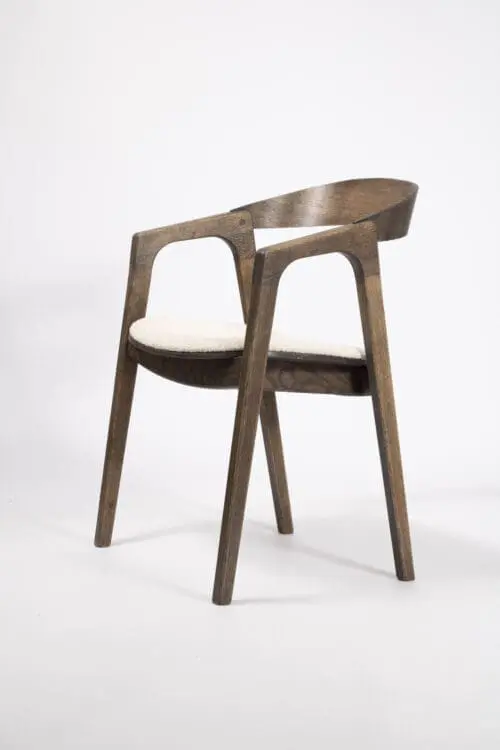
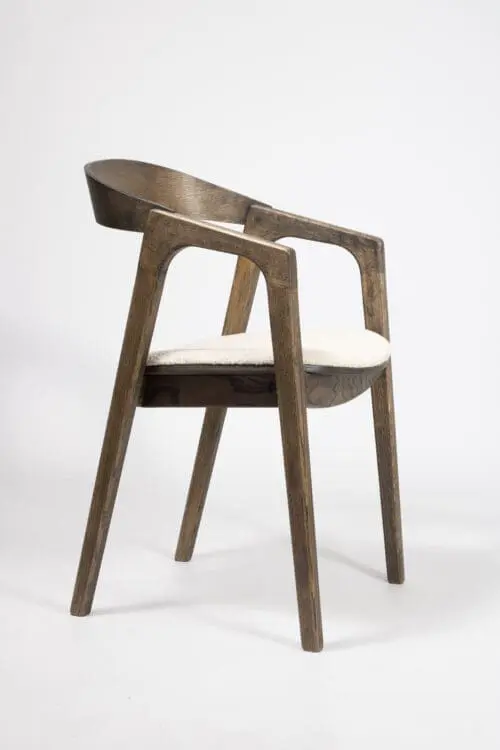
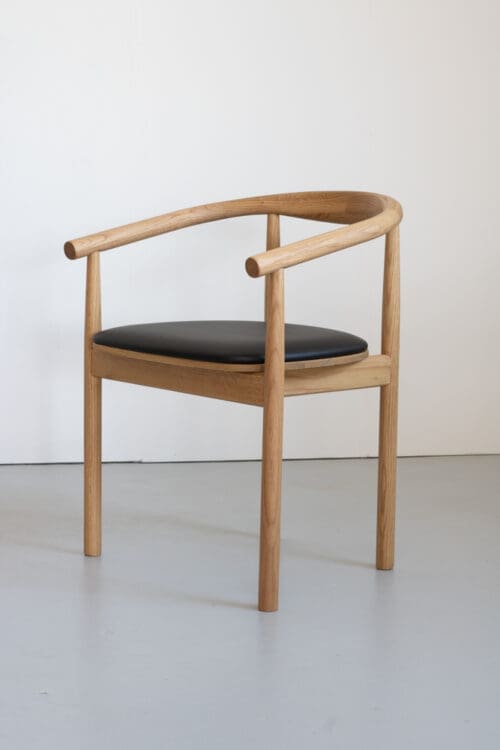
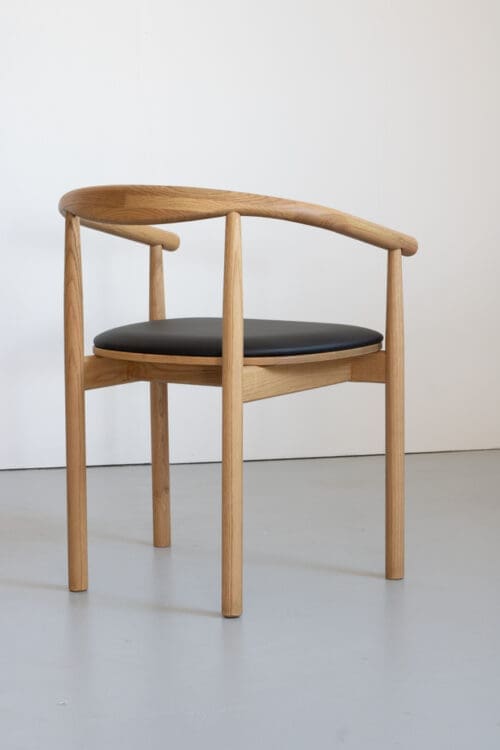
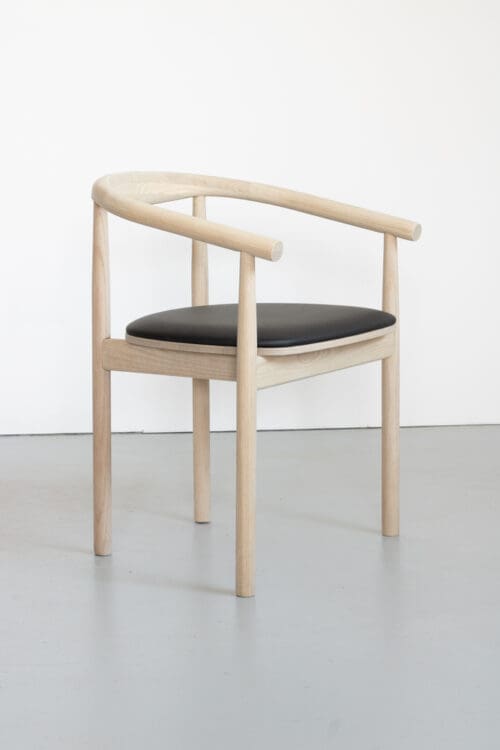
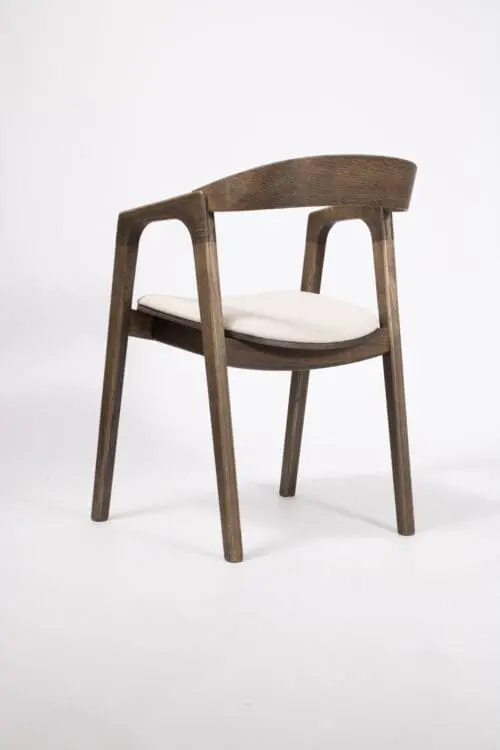
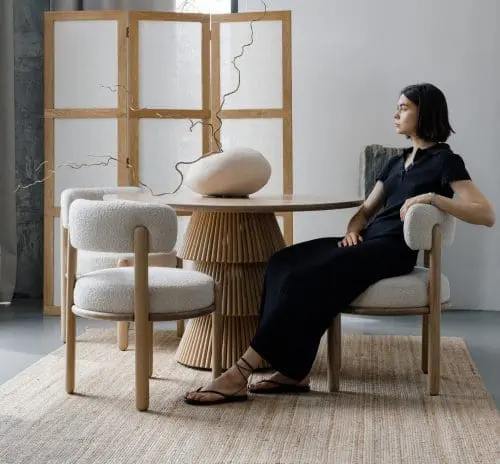
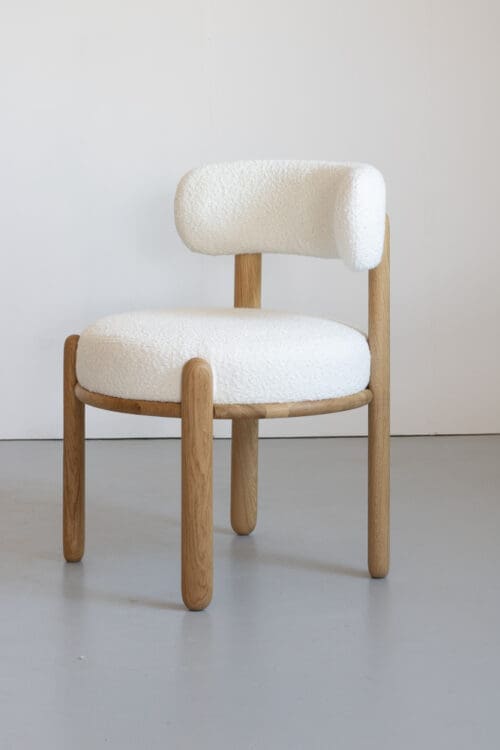
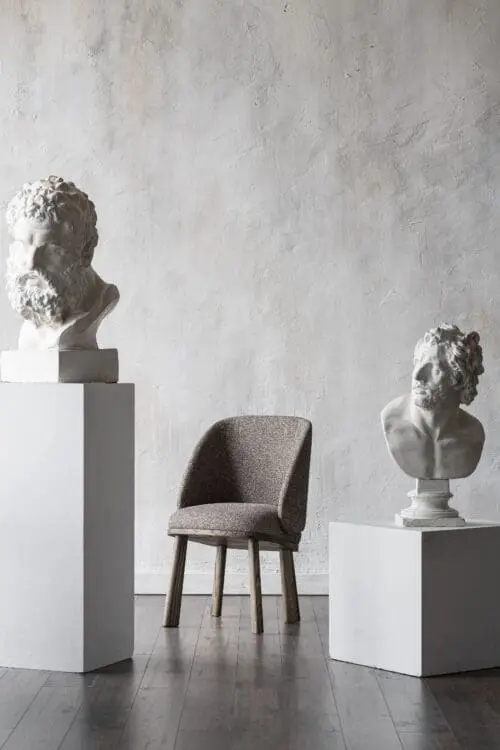
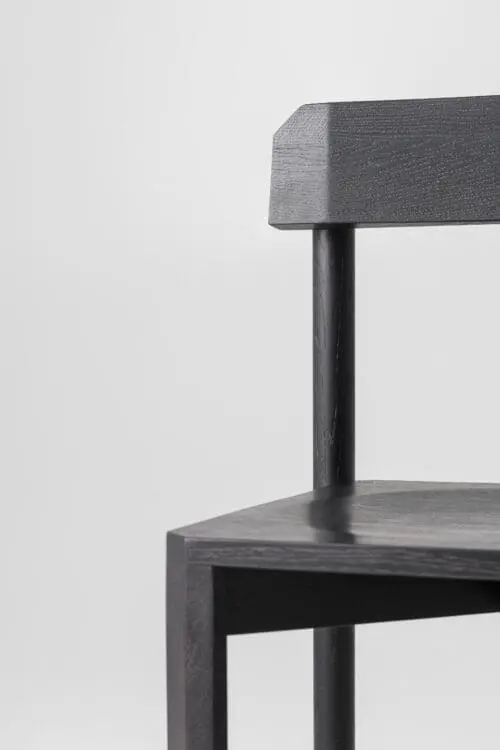
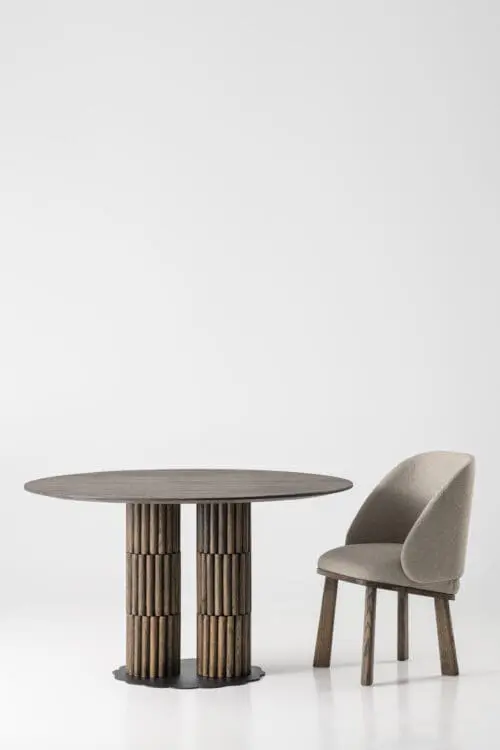
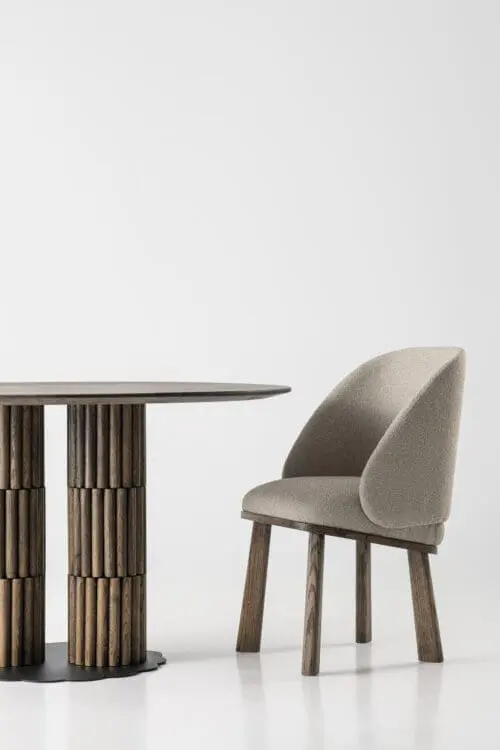
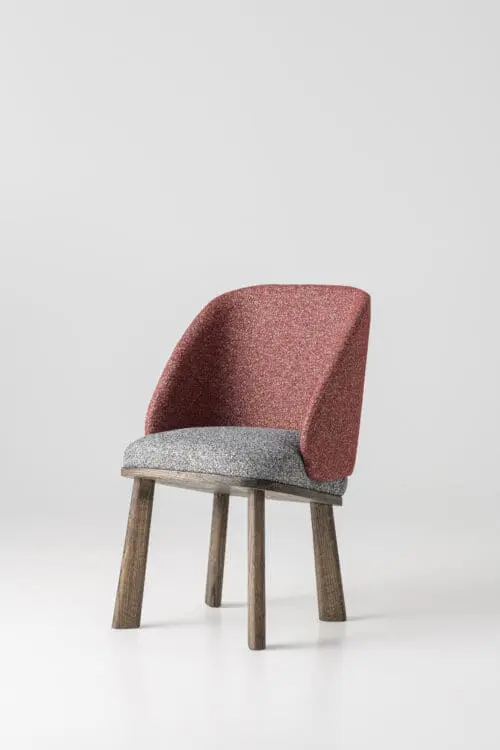
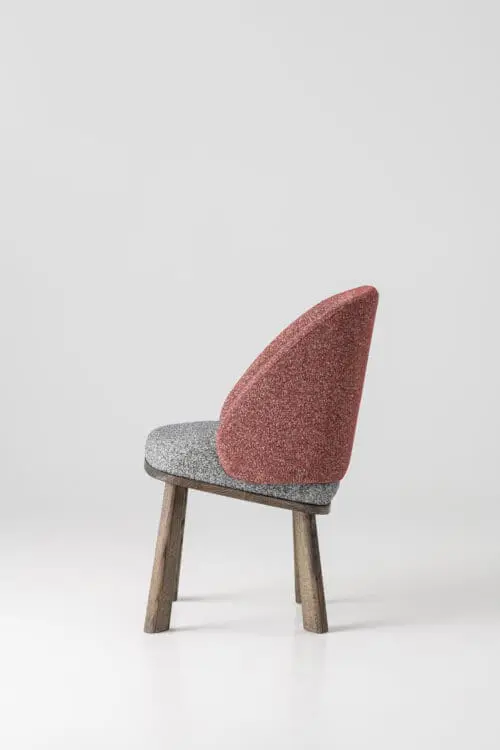
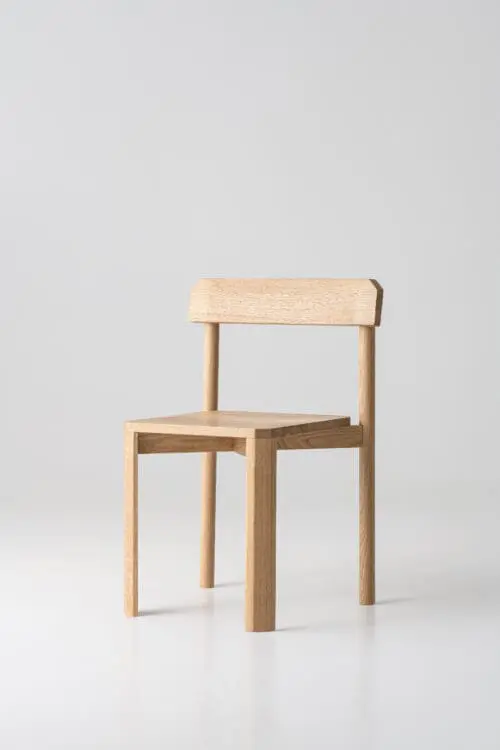
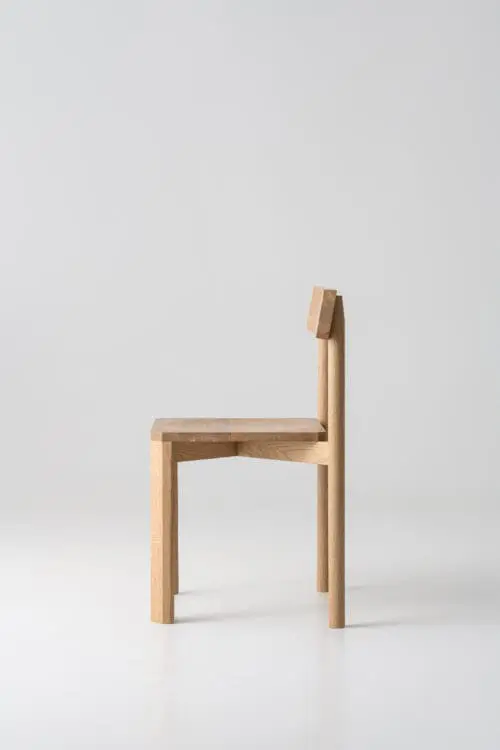
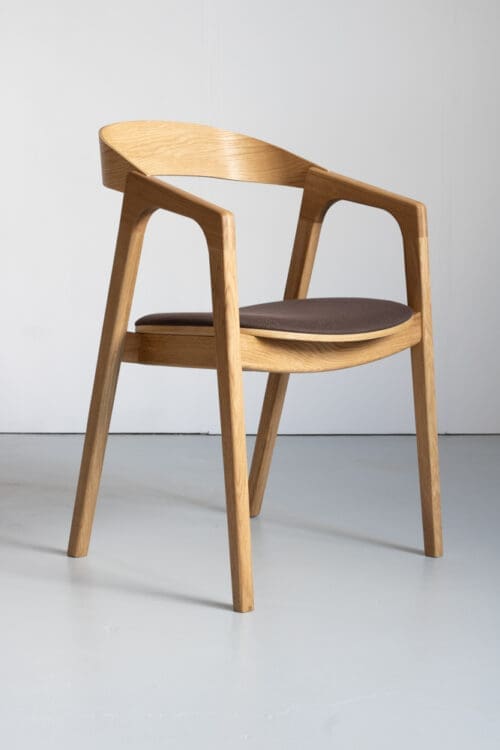
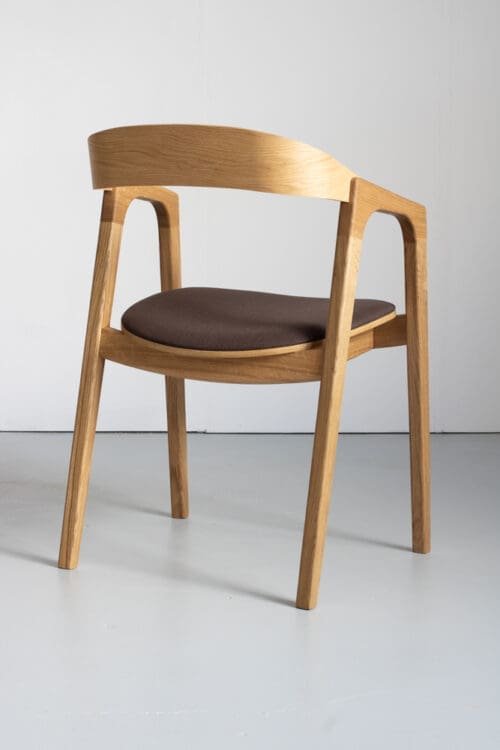
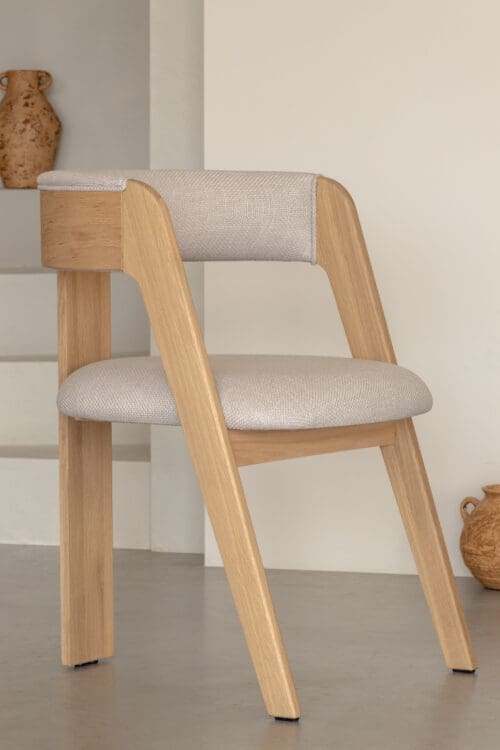
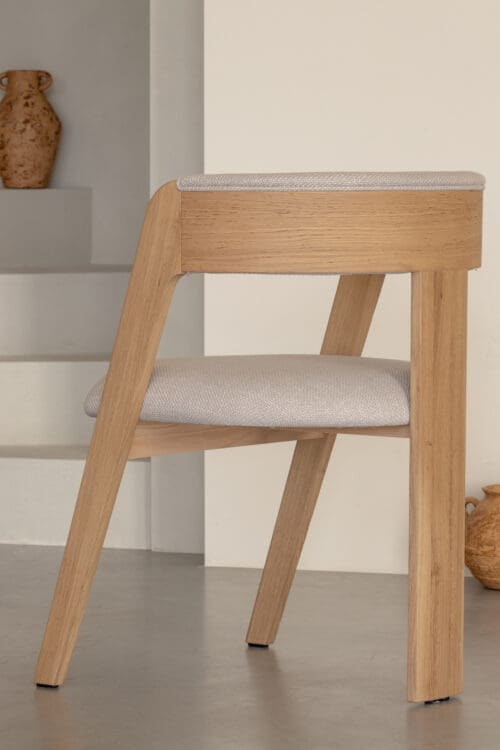
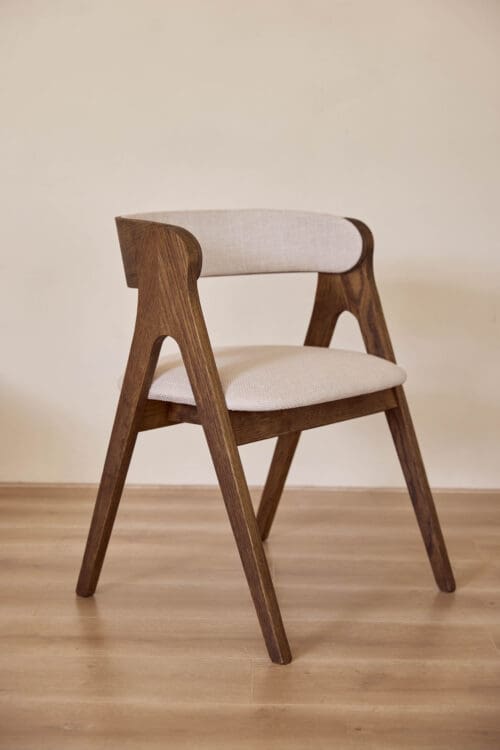
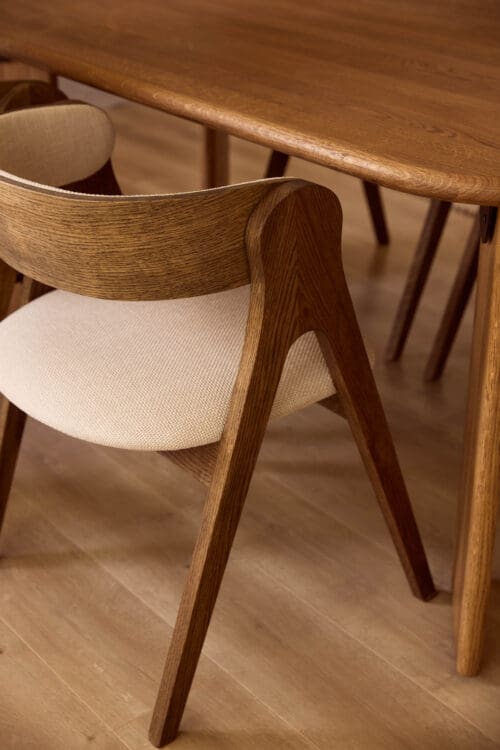
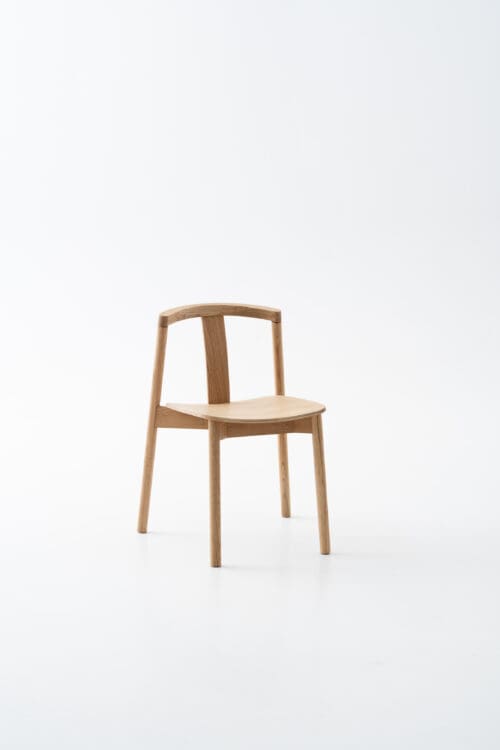
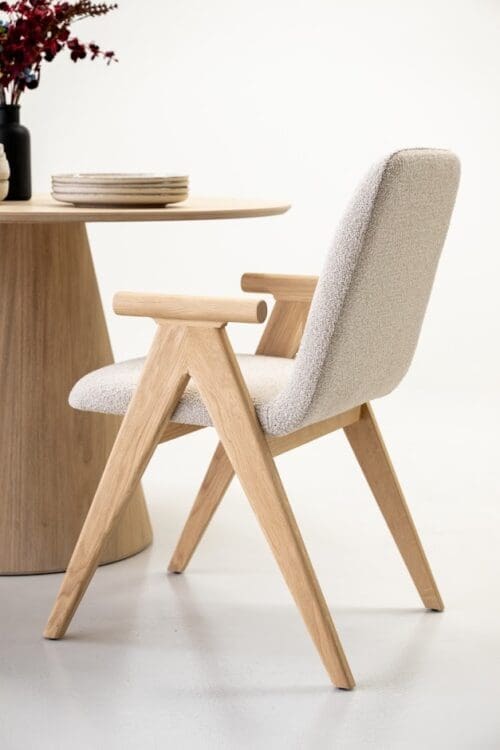
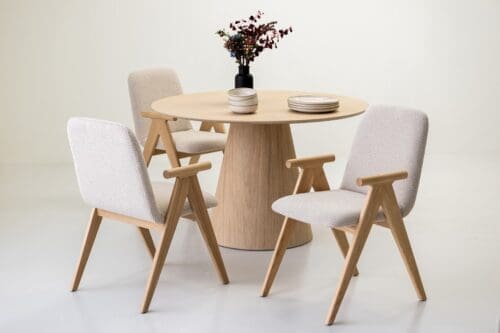
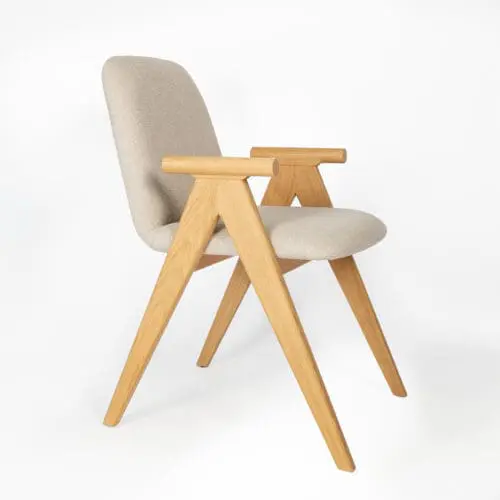
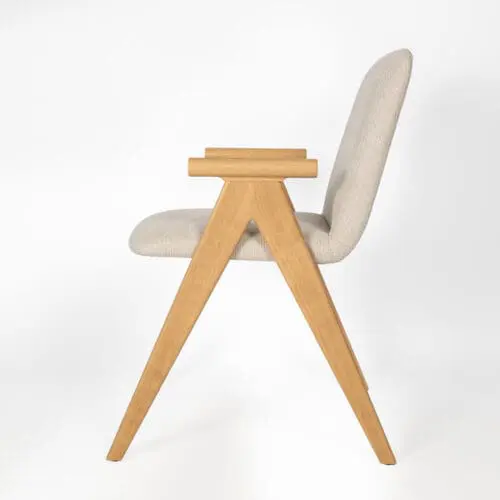
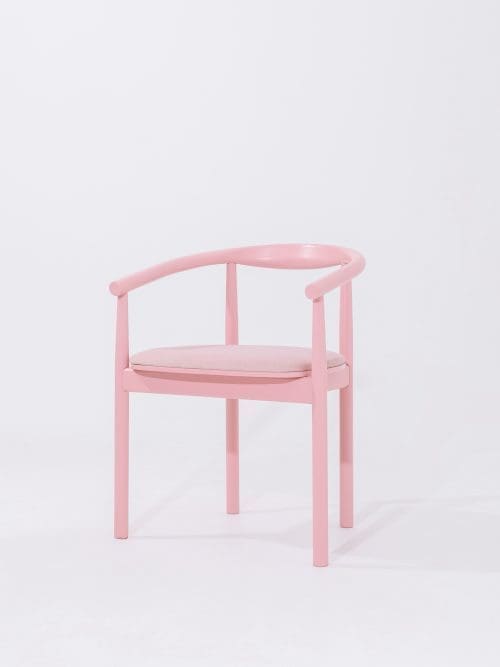
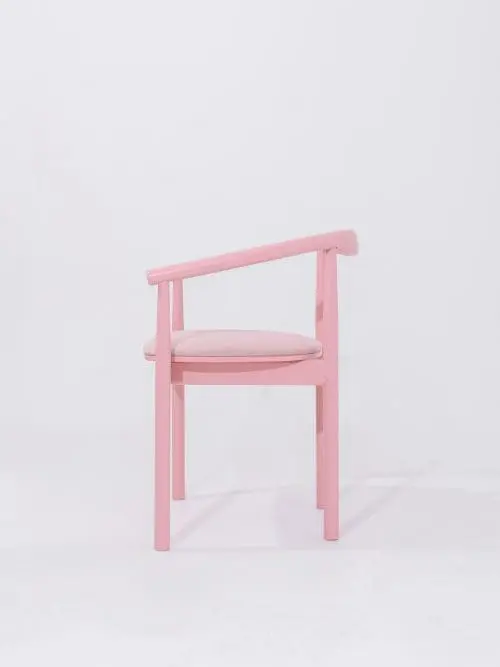
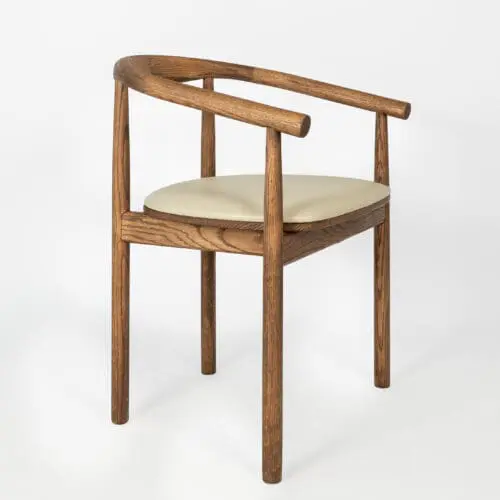
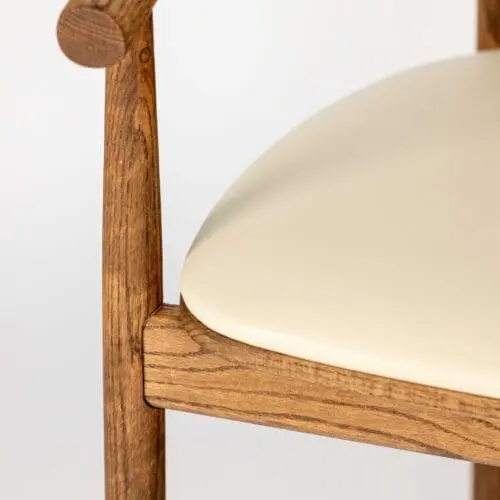
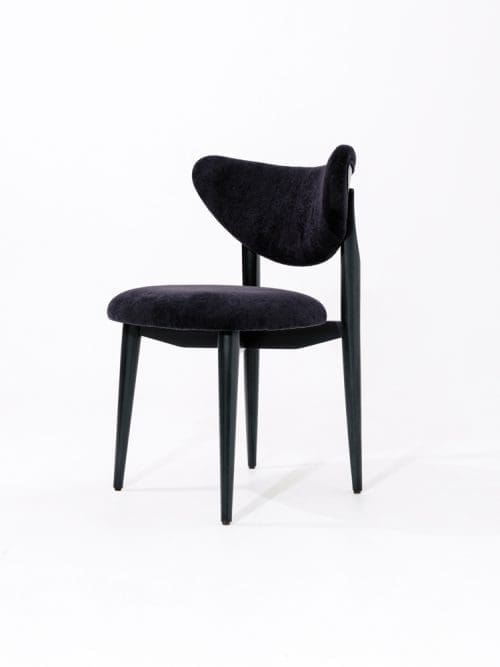
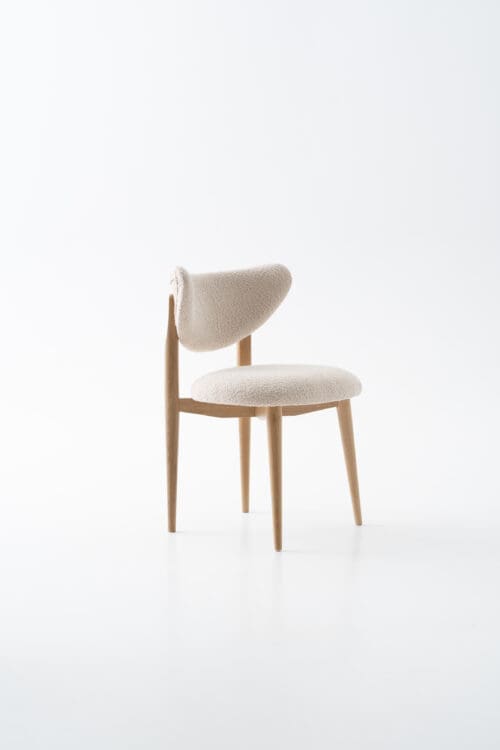
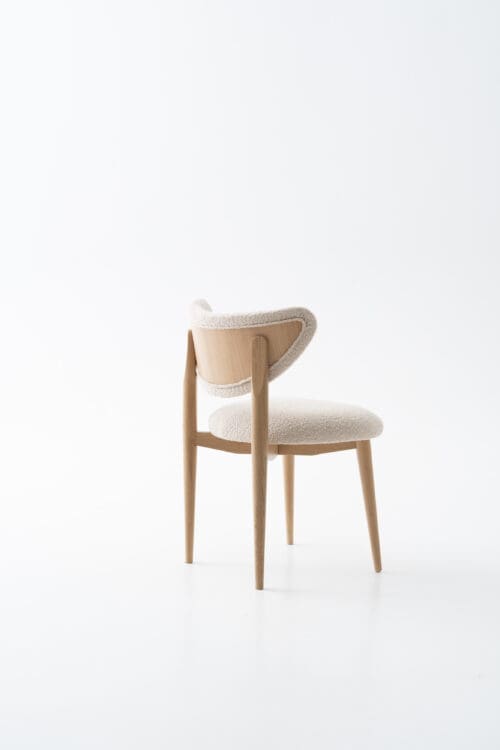
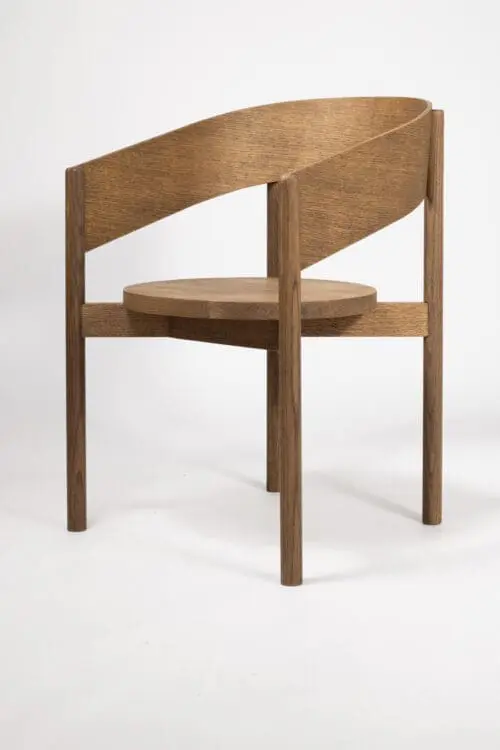
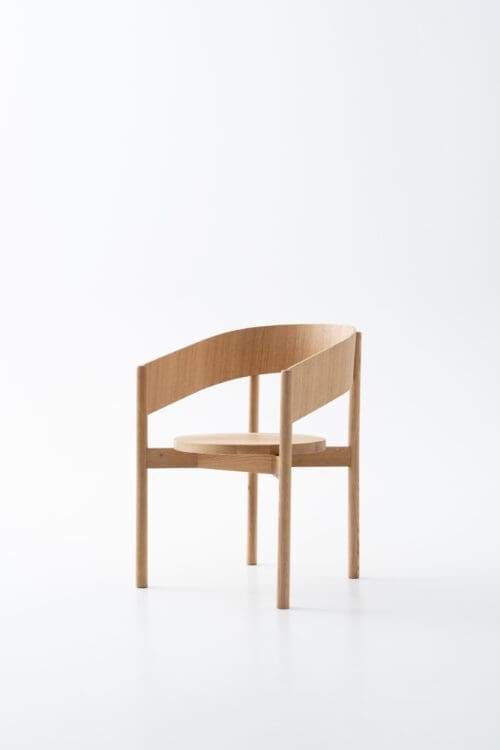
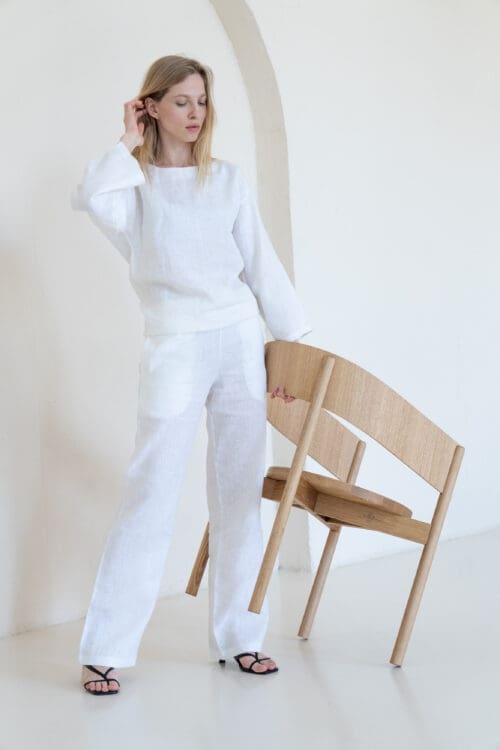
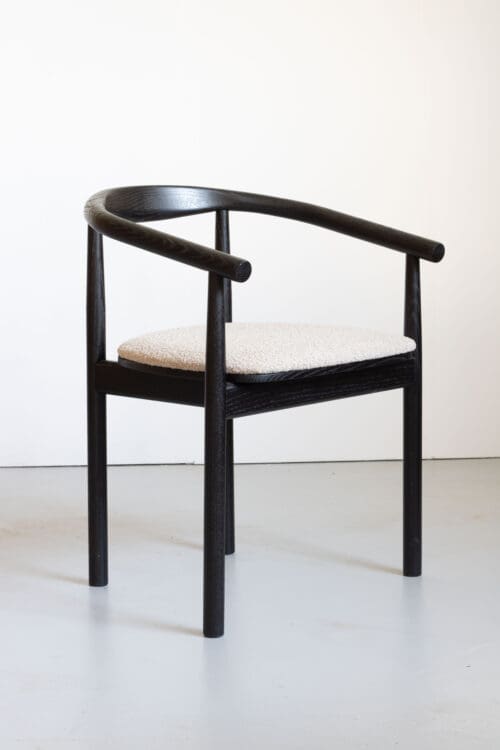
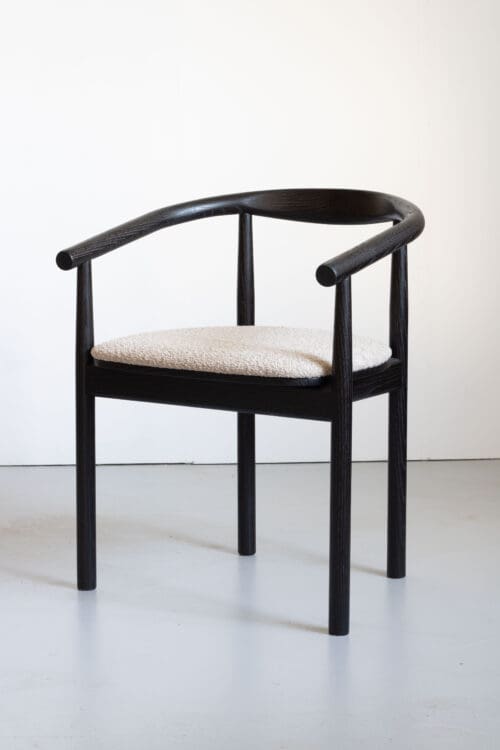
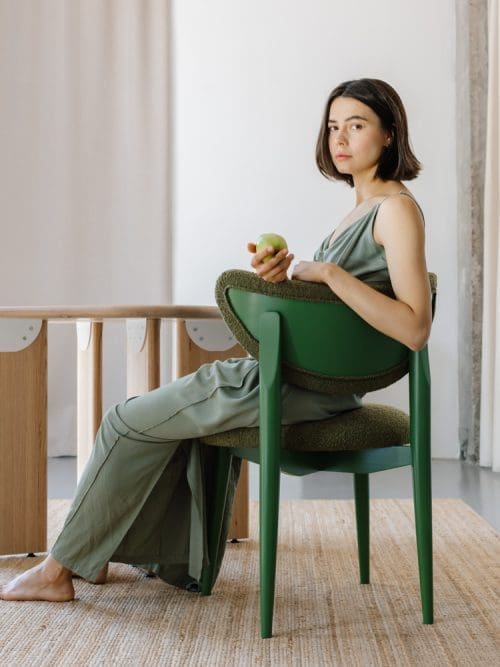
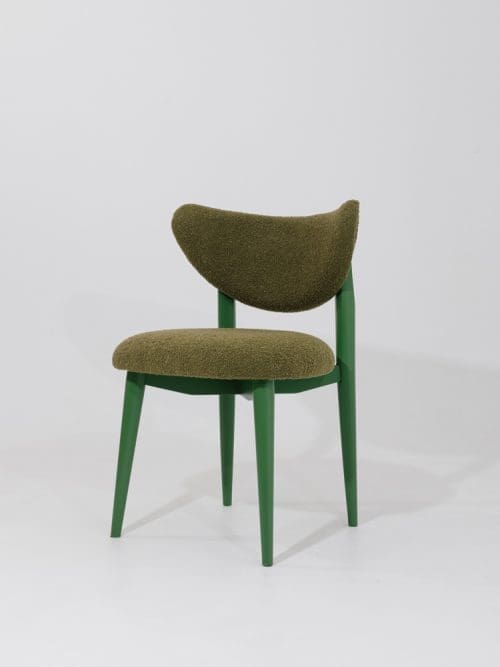
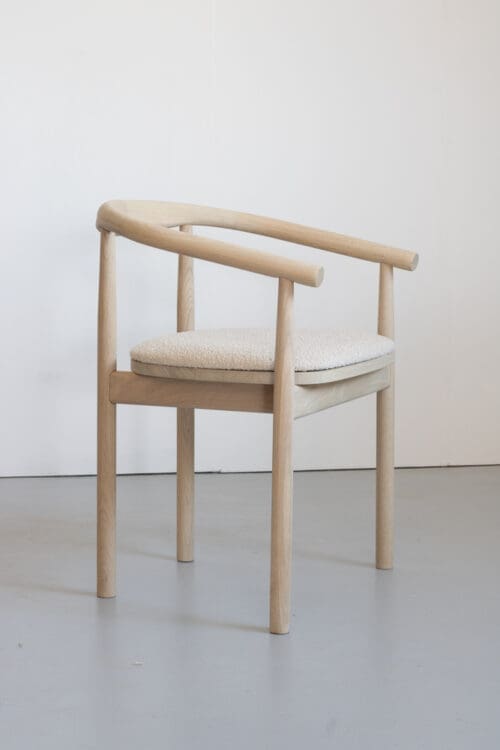
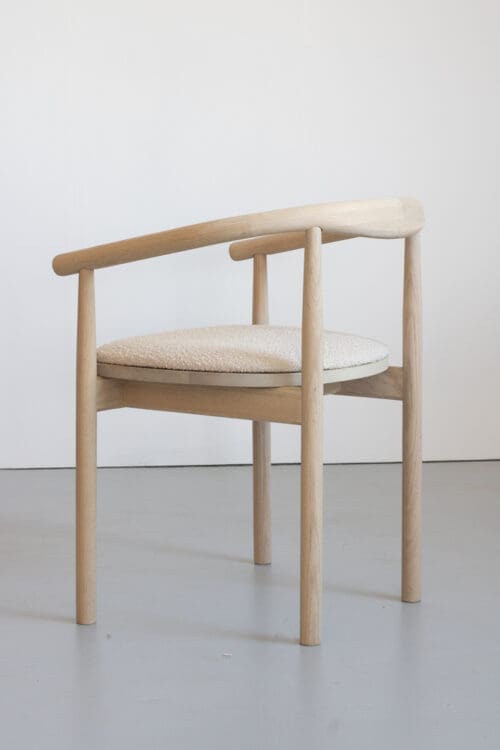
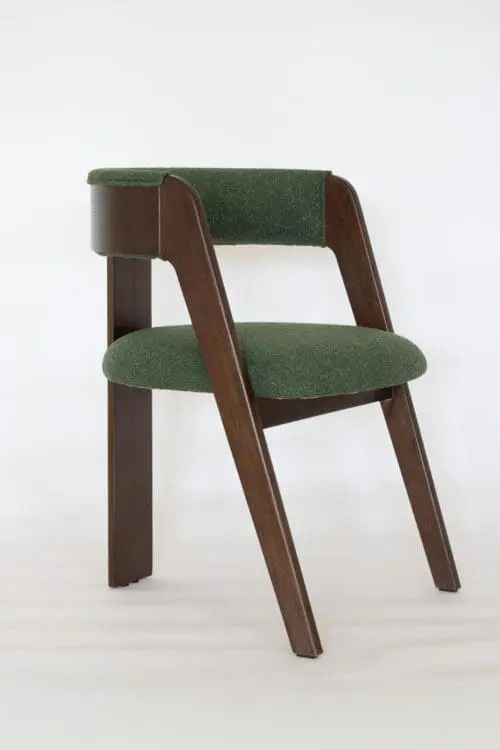
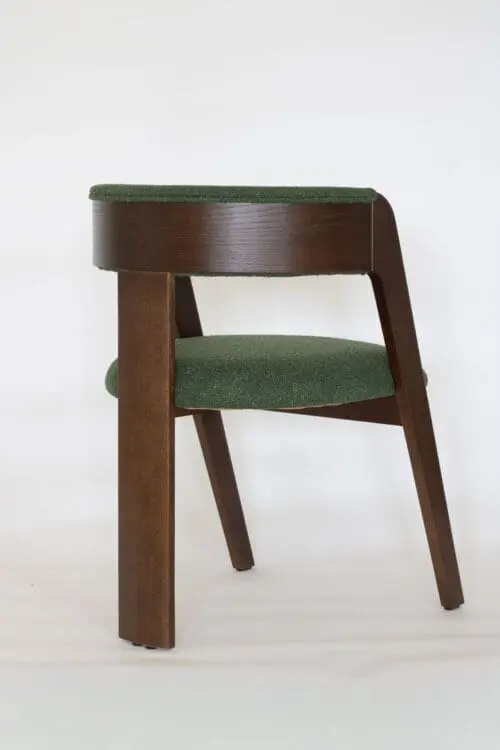
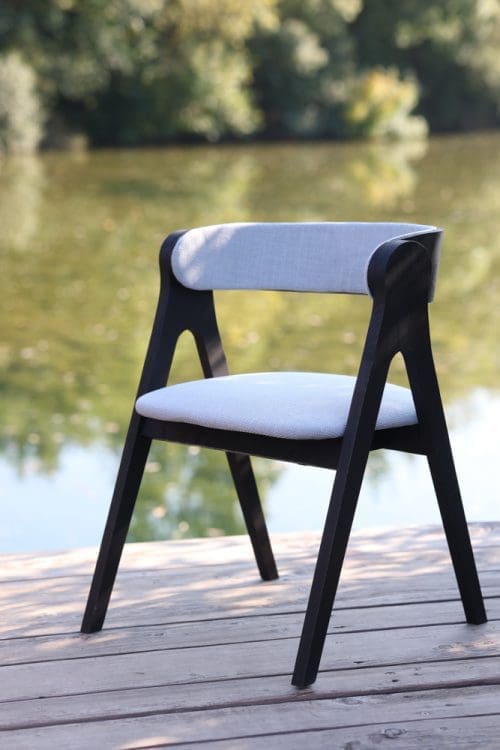
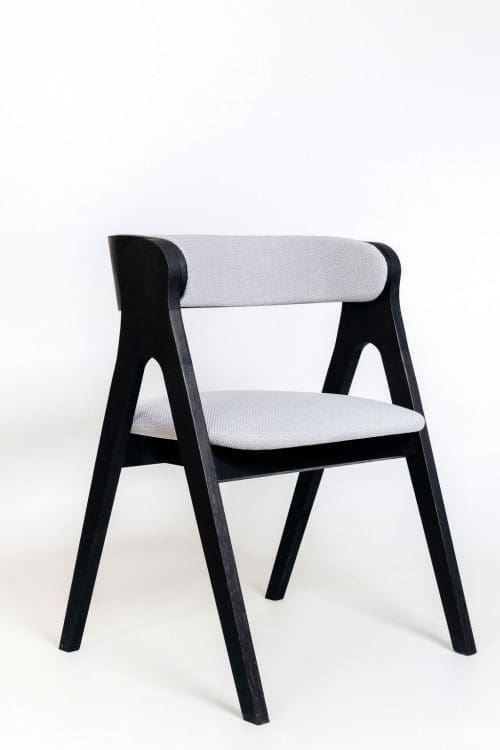
Japandi materials are pure, natural, and consciously chosen. Think of light oak, walnut, bamboo, linen, wool, ceramics, and stone. Everything revolves around the balance between warmth and minimalism. No excess, just tranquility. No decoration for decoration’s sake, but materials that truly add to the atmosphere and functionality. Japandi is a combination of Japanese minimalism and Scandinavian design. From Japan comes the love for simplicity, asymmetry, and natural imperfection. From Scandinavia comes warmth, light, and functionality. The materials form the bridge between these two worlds.
The foundation of Japandi
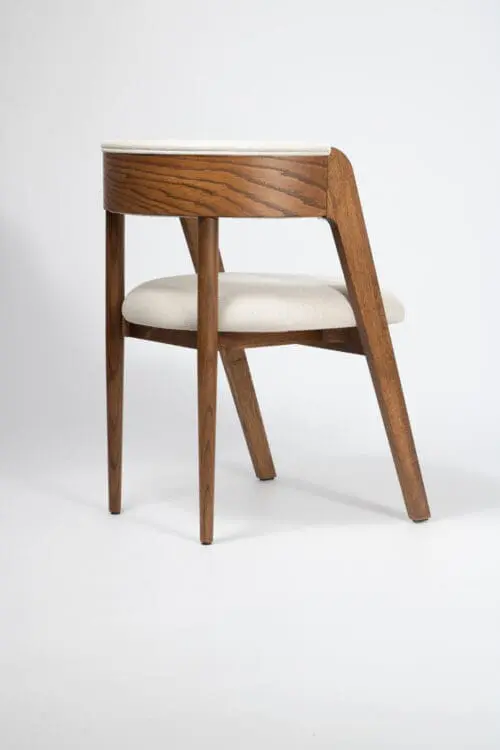
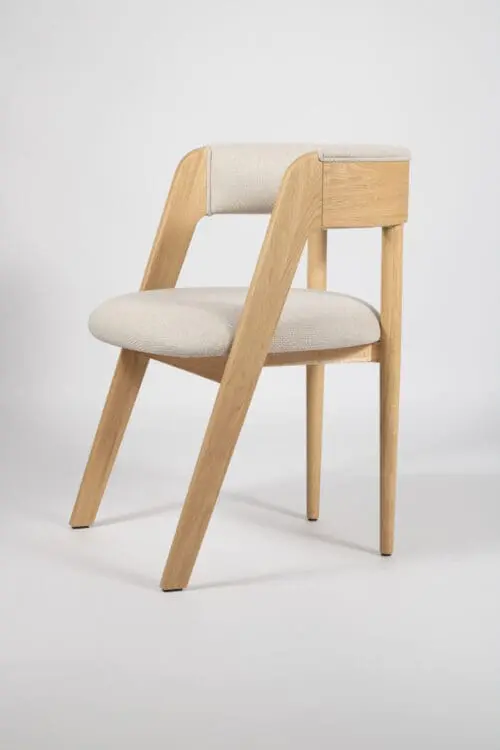
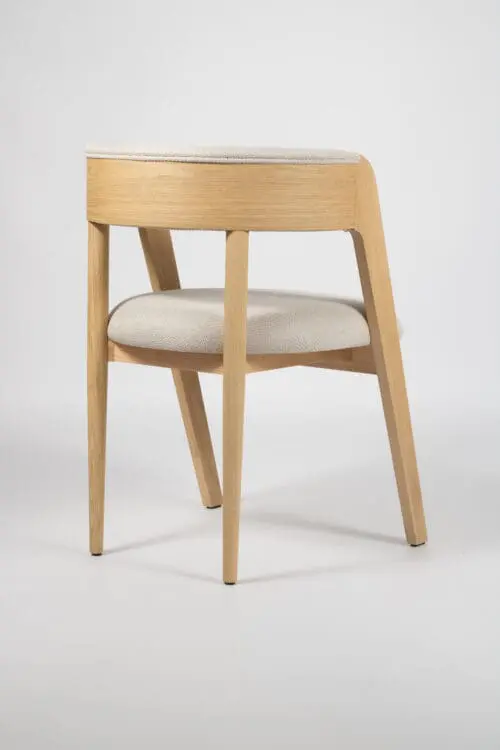
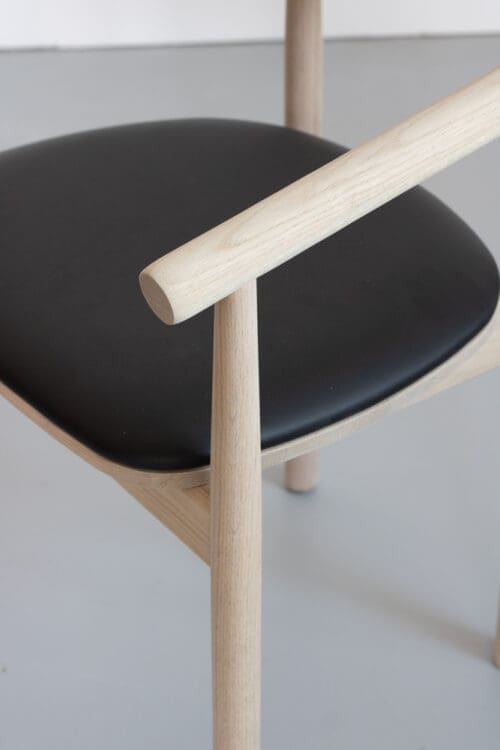
Wood is the most important material within Japandi. Without wood, there is no warmth; without warmth, there is no balance.
Typical wood types include:
- Light oak for tranquility and Scandinavian clarity
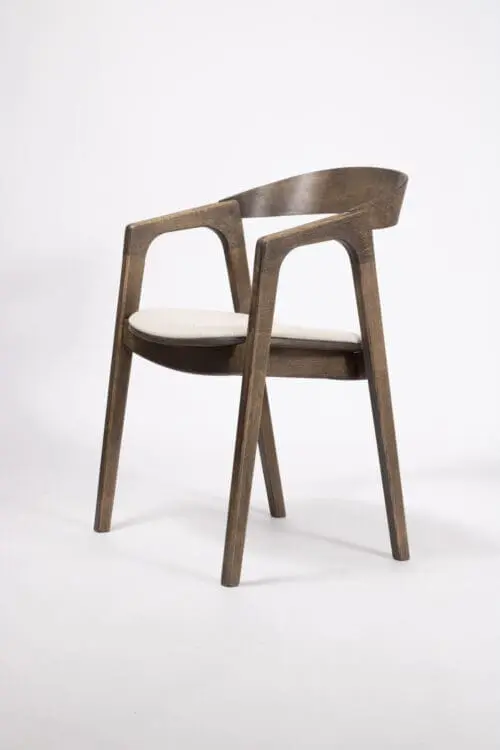
- Walnut for depth and subtle contrast
- Bamboo as a refined and natural accent
Light wood provides openness. Use dark wood intentionally to introduce contrast, for example in a tabletop or cabinet front. Do not combine too many different wood colors. Choose one dominant shade and work with nuanced differences within the same family.
Natural fibers. Soft and in balance
Japandi never feels harsh. This is due to the use of natural fibers such as linen, cotton, and wool. These materials soften clean lines and bring comfort to a minimalist space.
Where do you use them?
- Linen curtains for filtered daylight
- Cotton or wool cushions in neutral tones
- A wool rug for extra warmth
Colors remain understated. Think of sand, cream, taupe, and warm gray. Texture is more important than color. By combining different structures, depth is created without it becoming busy.
Ceramics and earthenware. Organic and imperfect
Japandi embraces imperfection. You can see this in handmade ceramics with a matte finish. Organic shapes, subtle glaze variations, and earthy tones fit perfectly within this style.
Use ceramics in accessories such as vases, bowls, or tableware. It is better to choose one powerful object than several small decorations. It is all about attention and tranquility.
Stone and concrete. For tranquility and depth
Stone and concrete bring a subtle rawness to the interior. Think of a natural stone top, a concrete accessory, or a ceramic tile with a stone look.
These materials provide contrast with wood and textiles. The combination of soft and hard makes Japandi exciting without becoming loud.
Rattan, wicker, and paper. Airy accents
Light, natural materials such as rattan and wicker provide refinement. You see them in chair seats, lampshades, or subtle details in furniture.
Paper also plays a role, for example in rice paper lamps. This diffuses the light softly, which perfectly matches the serene atmosphere of Japandi.
Metal. Subtle and supportive
Use metal minimally and with refinement. Think of black or dark bronze accents in lamps, handles, or table legs. Shiny chrome or striking steel is less suitable. Choose matte finishes that support the whole rather than dominate it.
Which colors suit Japandi materials?
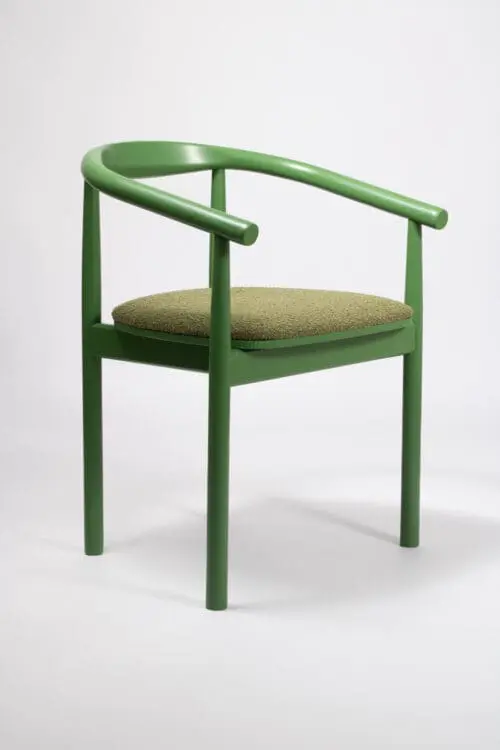
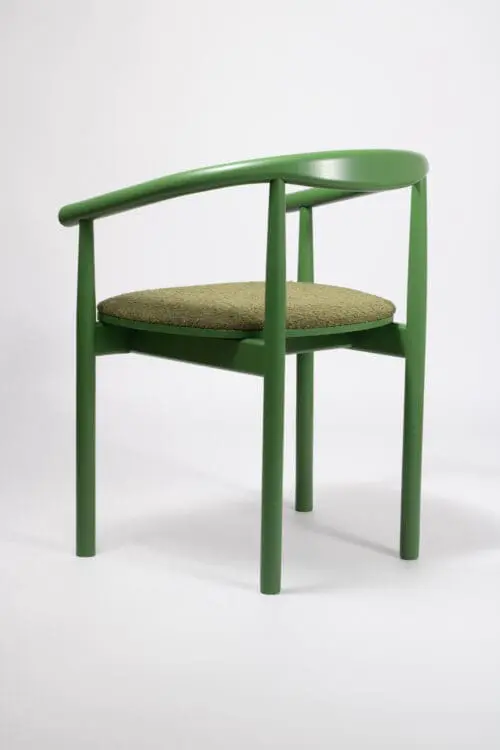
The color palette enhances the materials. Typical Japandi colors are beige, sand, cream, taupe, warm gray, and muted green. Everything stays close to nature.
The rule is simple. The calmer the color, the more the material stands out. A walnut tabletop looks better against a warm beige wall than against a cool white wall.
How do you combine Japandi materials in your living room?
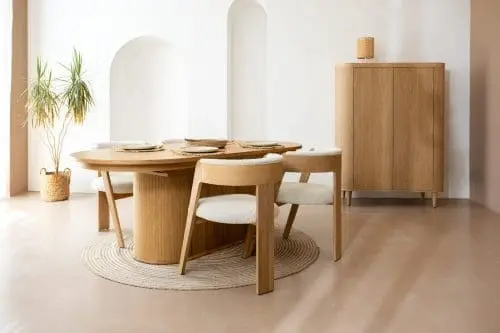
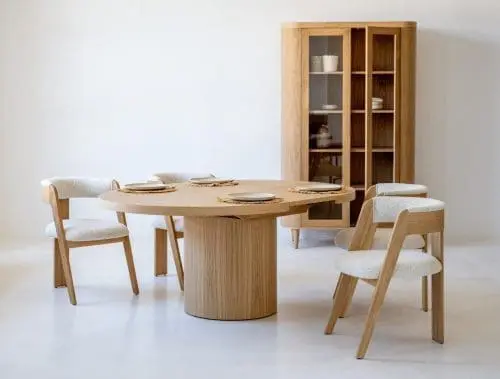
The key is balance. Combine a maximum of three main material types and repeat them subtly throughout the space.
An example combination:
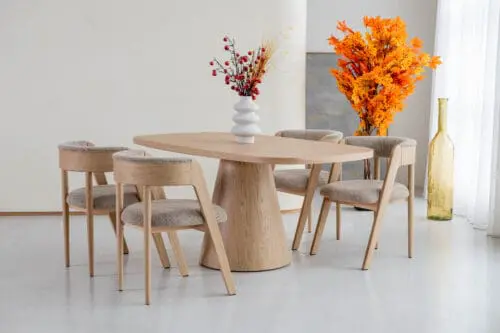
- Light oak dining table as a base
- Linen curtains in sand color
- Ceramic vase in an earthy tone
- A wool rug in warm gray
By letting materials recur, cohesion is created. Avoid glossy surfaces and busy prints. Tranquility is the guiding principle.
Typical Japandi furniture
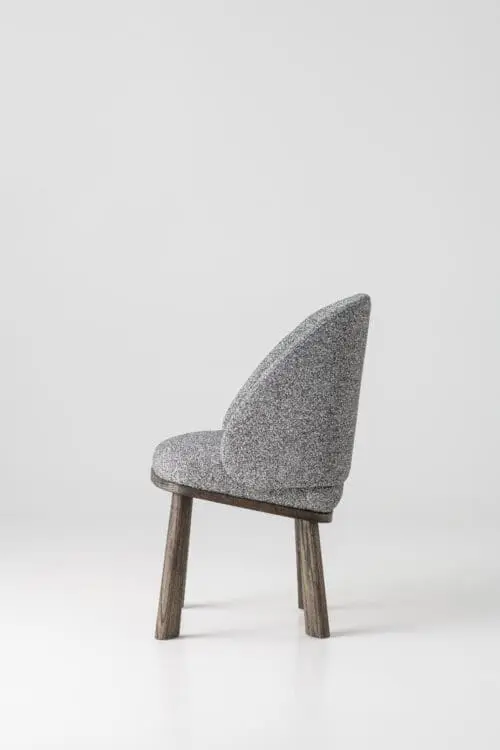
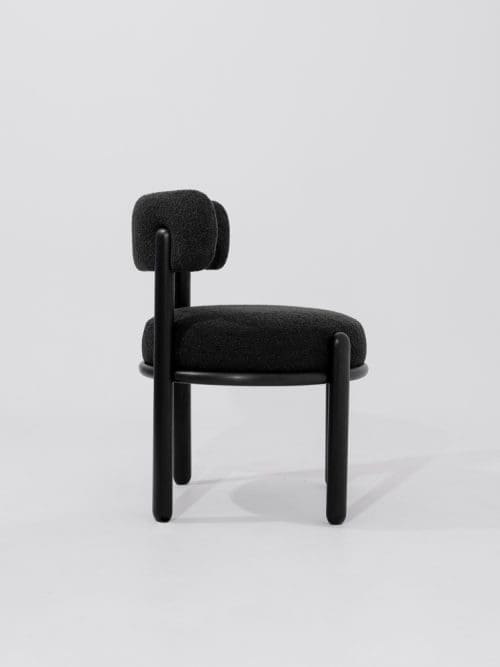
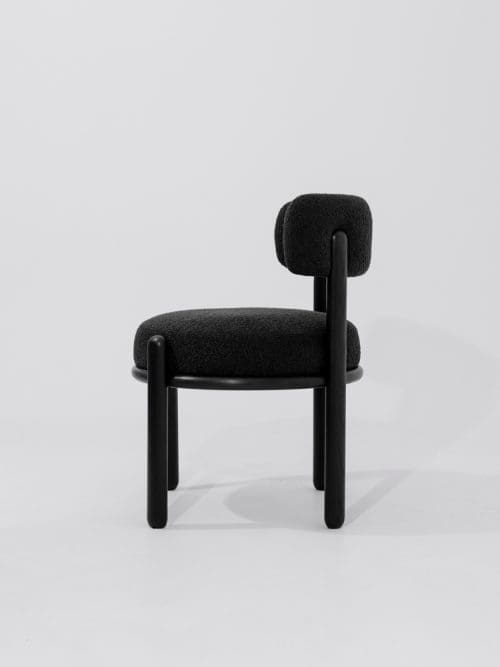
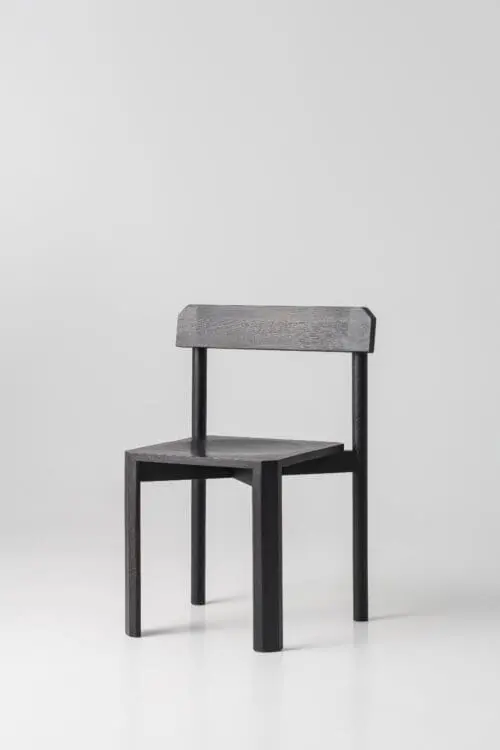
Furniture within Japandi is low, sleek, and functional. Think of low sofas, minimalist dining tables, and cabinets with flat fronts. Details are subtle. No unnecessary ornaments.
Round and organic shapes are often combined with straight lines. This provides softness without losing the minimalist character.
Japandi in the kitchen
In the kitchen, you often see a combination of wood and calm fronts in sand or taupe. Countertops made of stone or ceramics fit well here. Open wooden shelves provide warmth, while closed cabinets ensure tranquility.
Choose natural materials that can take a beating. Functionality always remains just as important as appearance.
Difference between Japandi and Scandinavian
Scandinavian is lighter and more playful. Japandi is calmer and more understated. Where Scandinavian uses more white and light wood, Japandi more often works with warmer earthy tones and dark wood for contrast.
Japandi feels more minimalist and more focused on balance and serenity. Scandinavian places more emphasis on coziness and lightness.
Overview of materials within Japandi
| Material |
Feature |
Application |
| Light oak |
Warm, natural, calm |
Tables, cabinets, floors |
| Walnut |
Deep, contrasting |
Tabletops, accents |
| Linen and cotton |
Soft, breathable |
Curtains, cushions |
| Wool |
Warm, rich in texture |
Rugs, throws |
| Ceramics |
Matte, organic |
Vases, tableware |
| Stone or concrete |
Raw, natural |
Countertops, accessories |
Conclusion
Choose natural materials as a base. Use wood as a foundation. Add soft fabrics for warmth. Use stone or ceramics for contrast. Keep colors neutral and earth-bound. Limit the number of materials and repeat them subtly throughout the space.
This creates an interior that is minimalist but feels warm. Calm, timeless, and completely in balance.