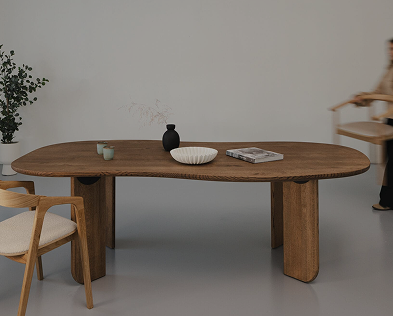
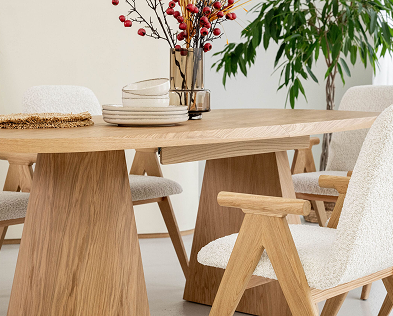
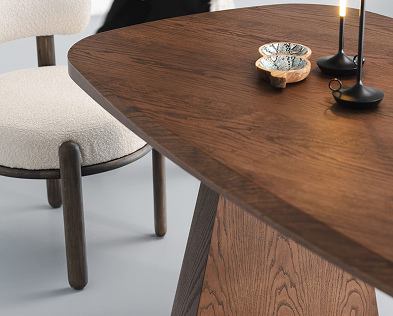
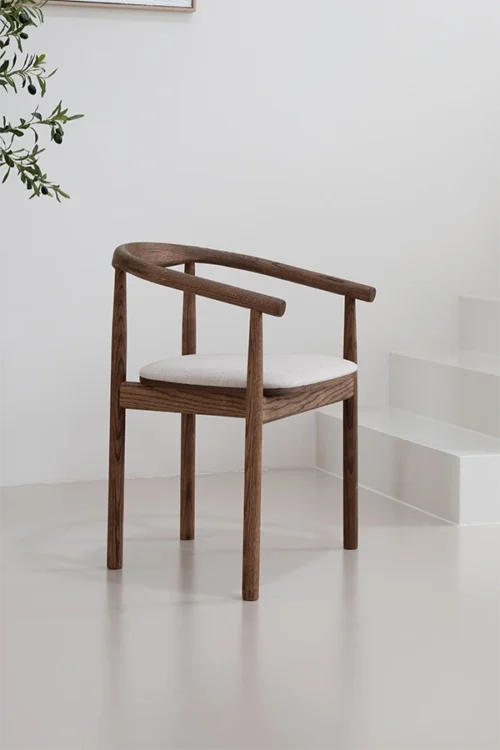
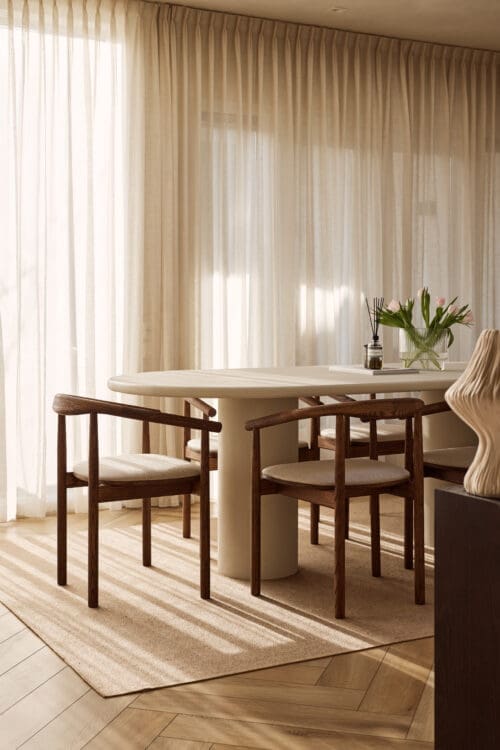
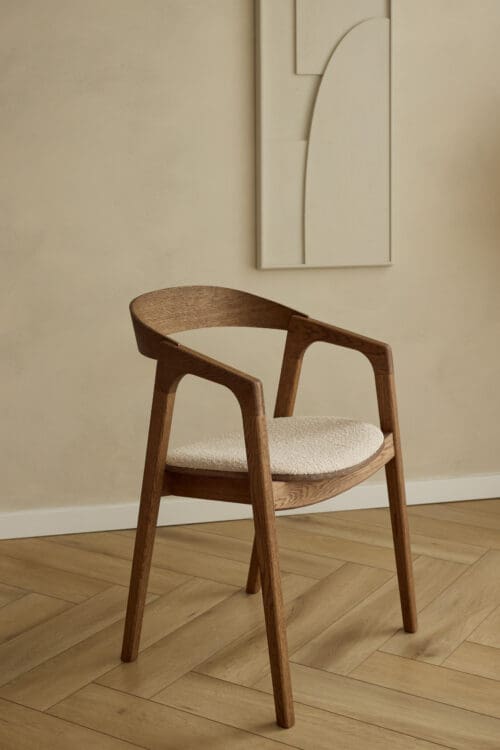
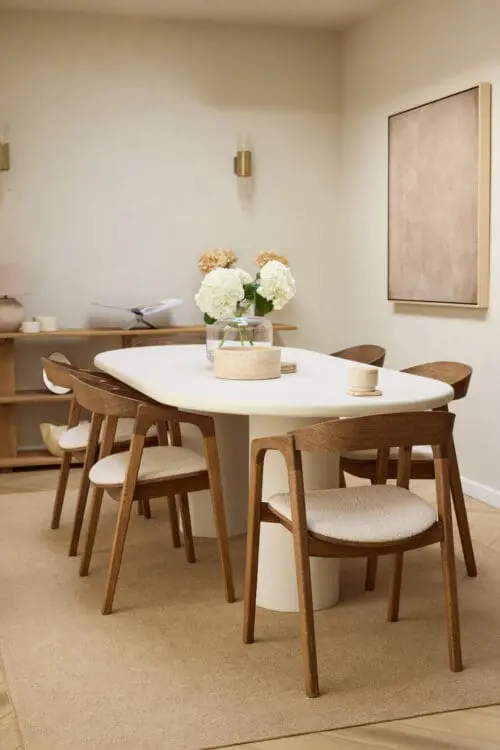
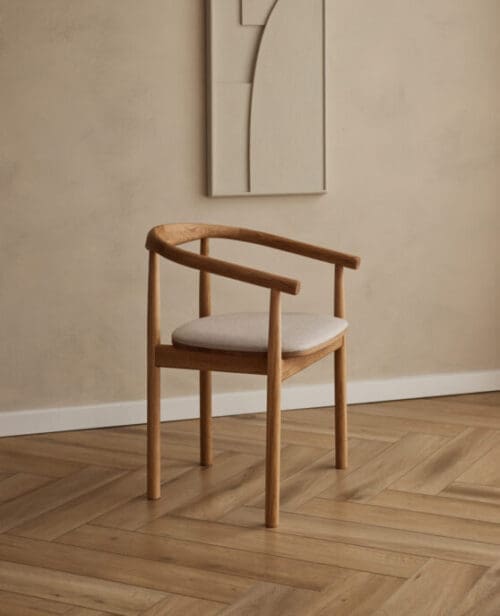
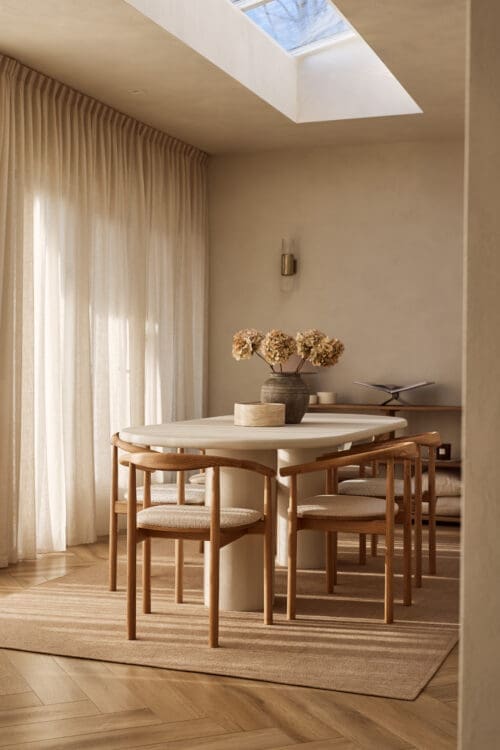
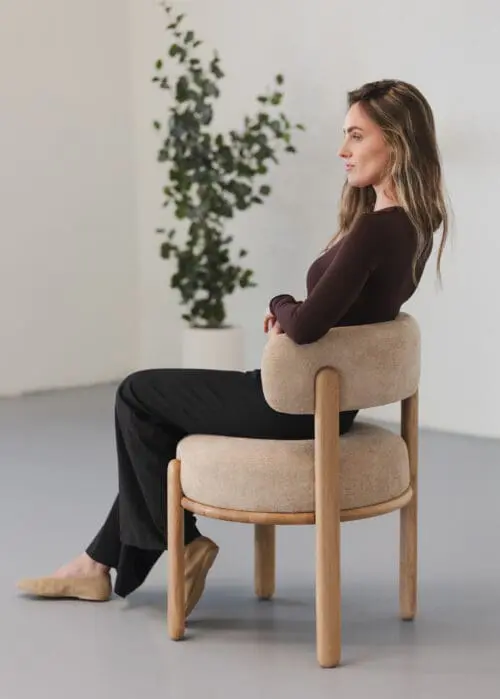
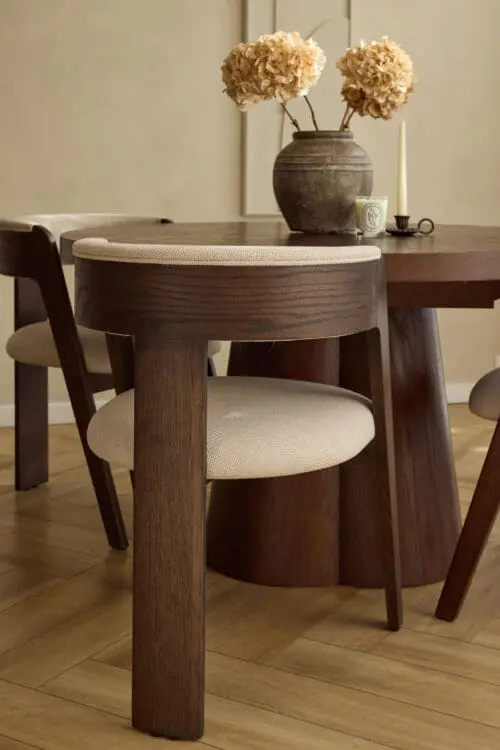
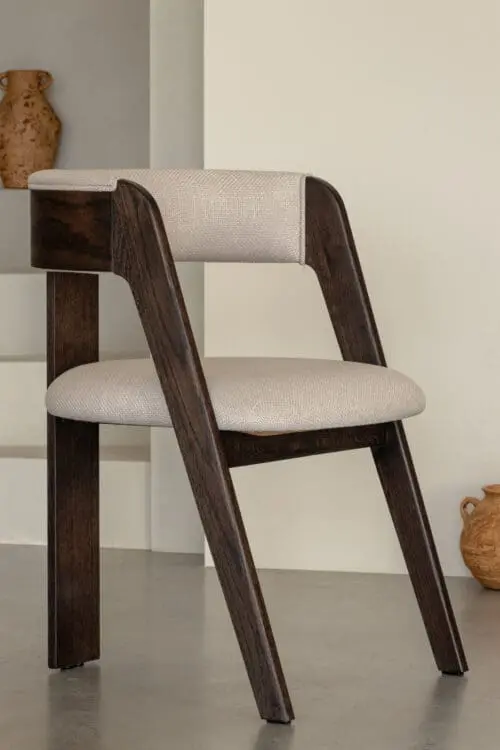
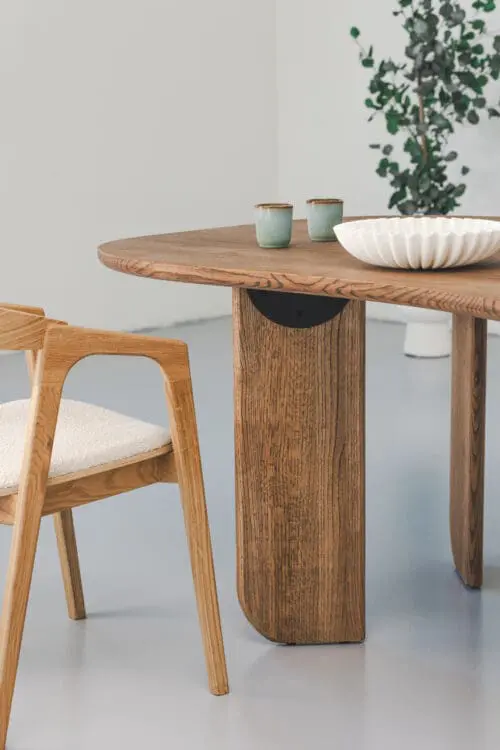
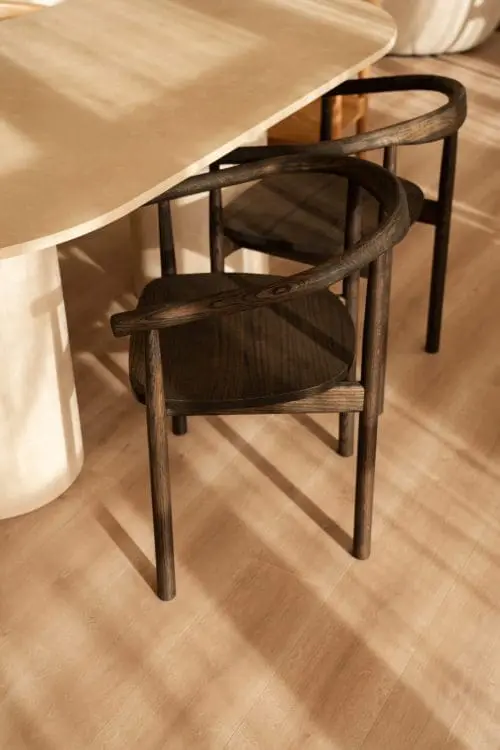
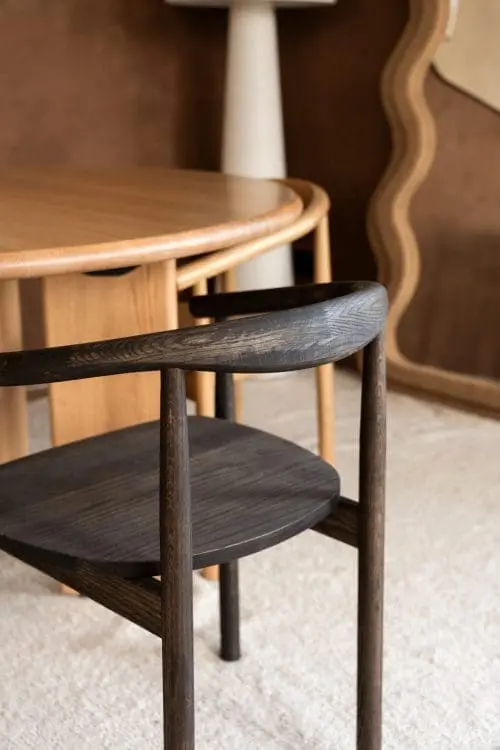
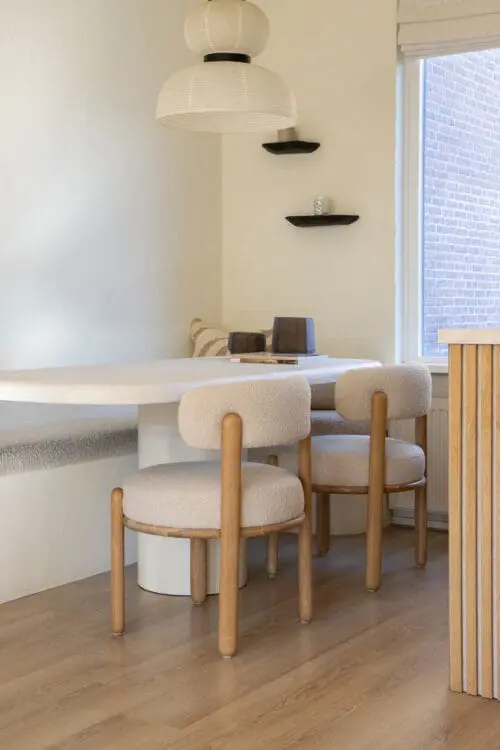
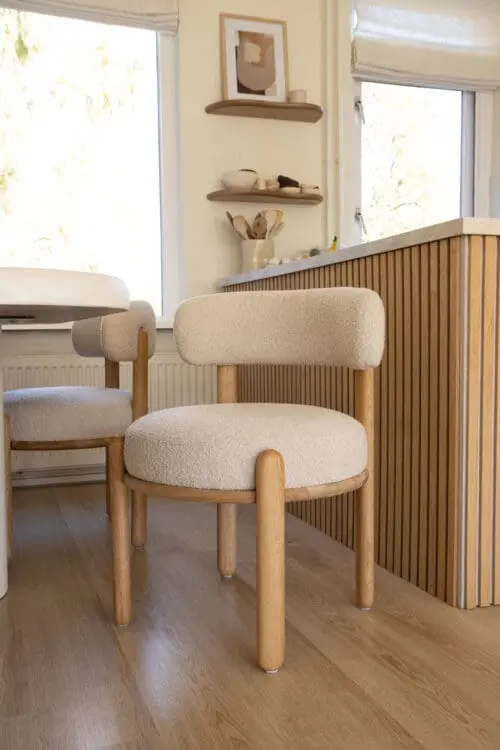
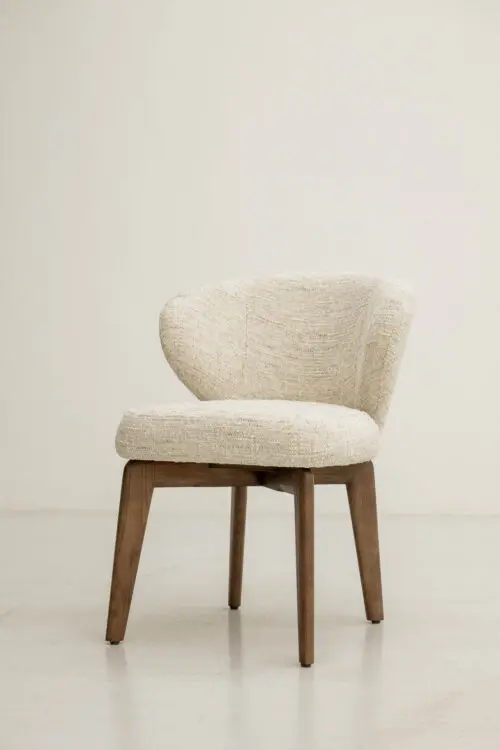
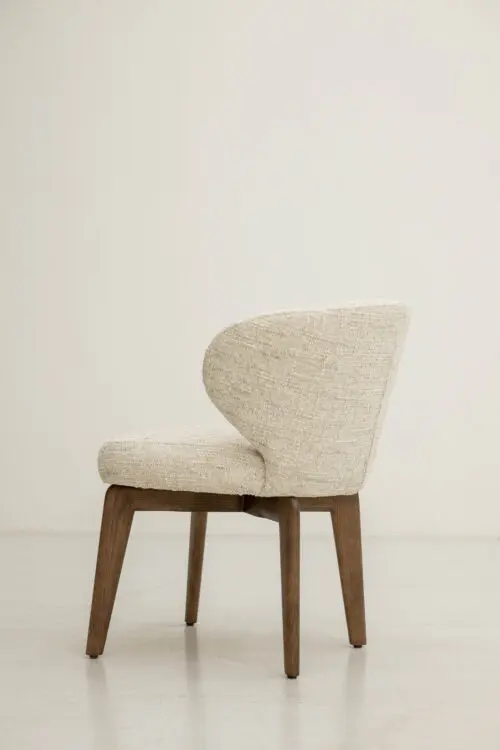
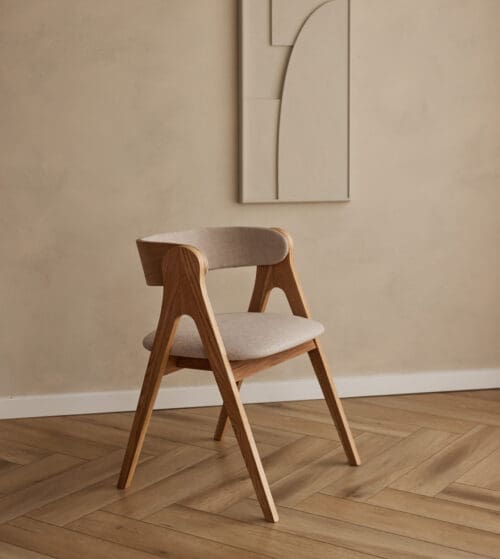
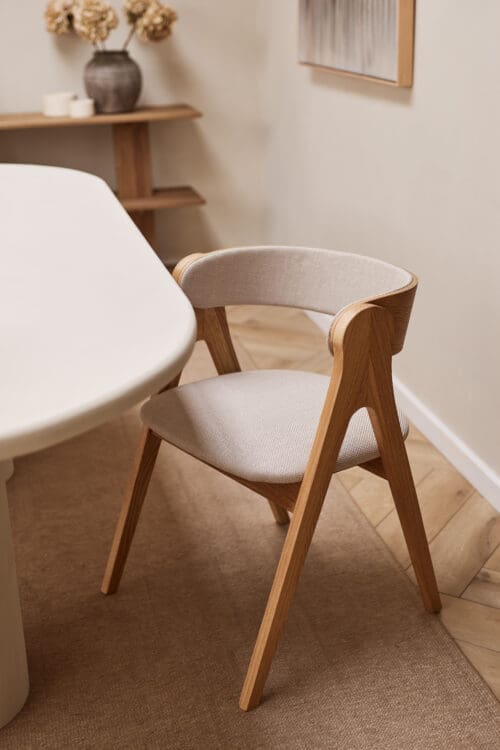
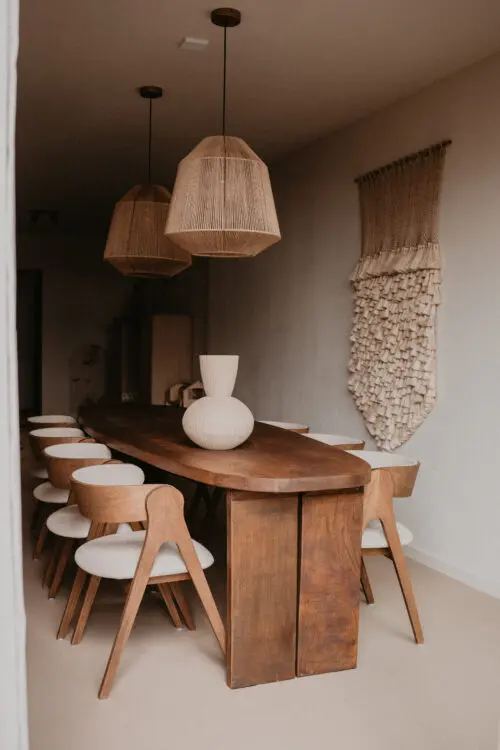
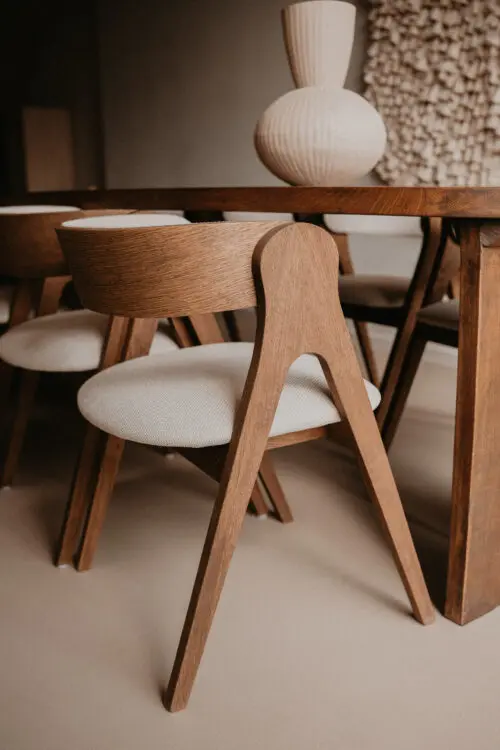
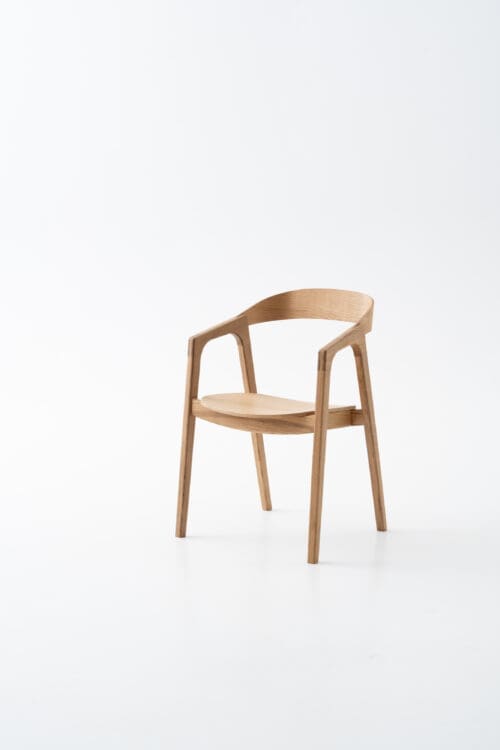
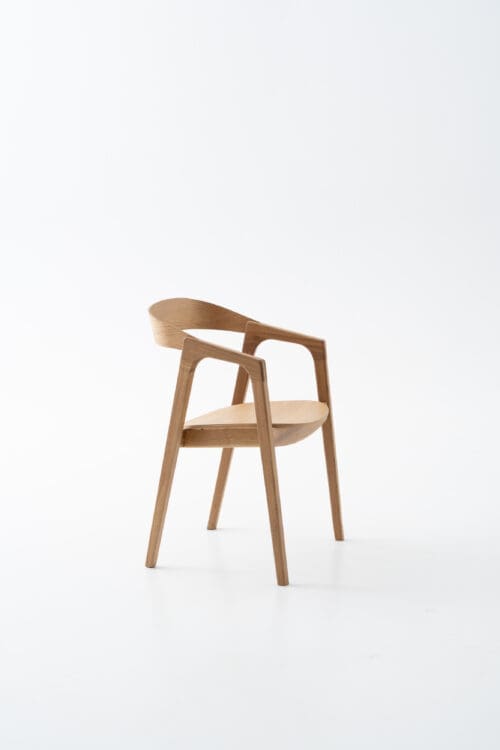
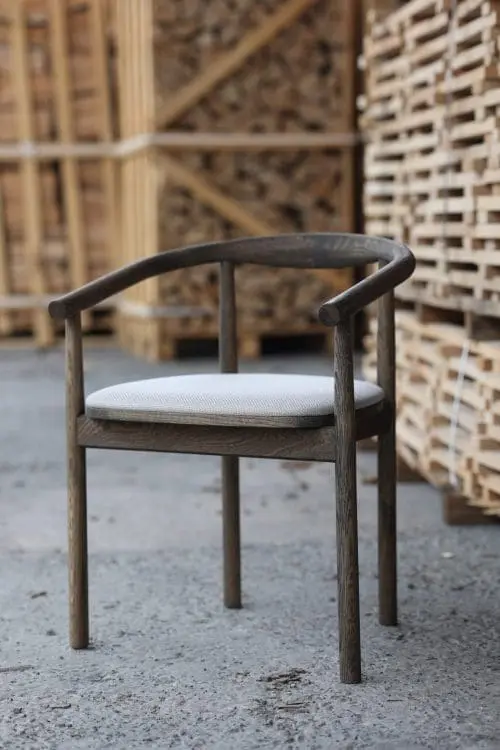
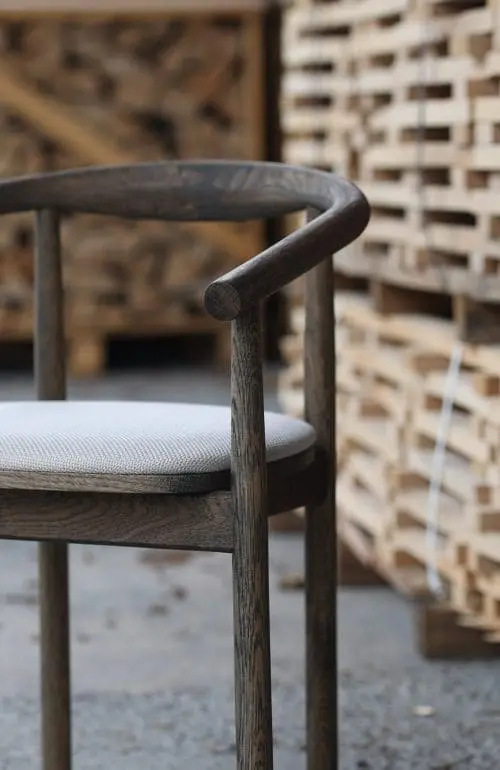
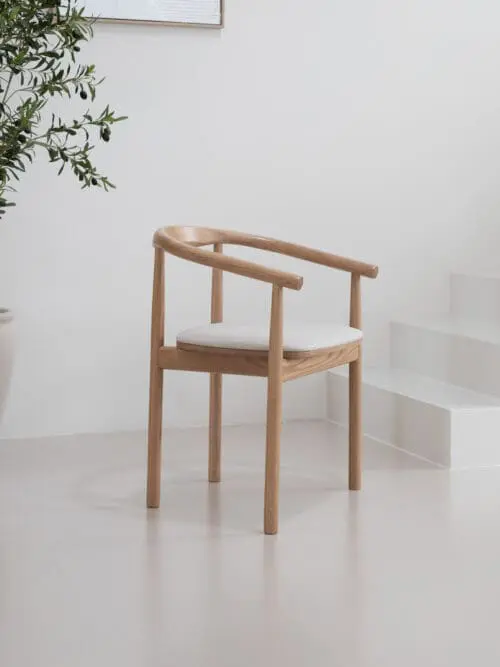
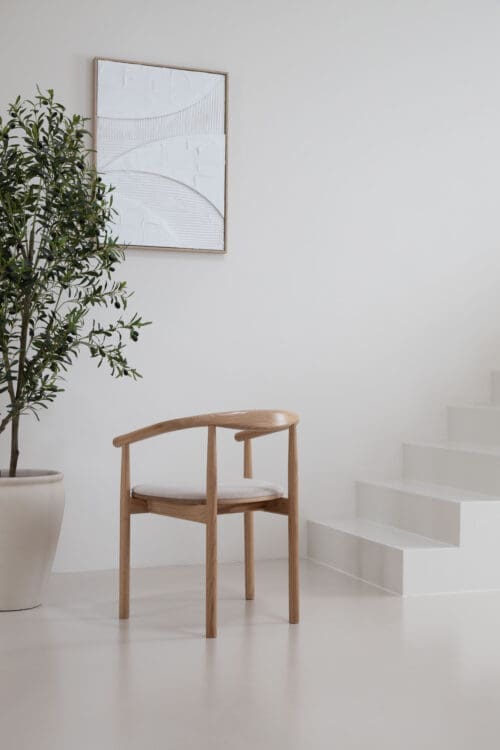
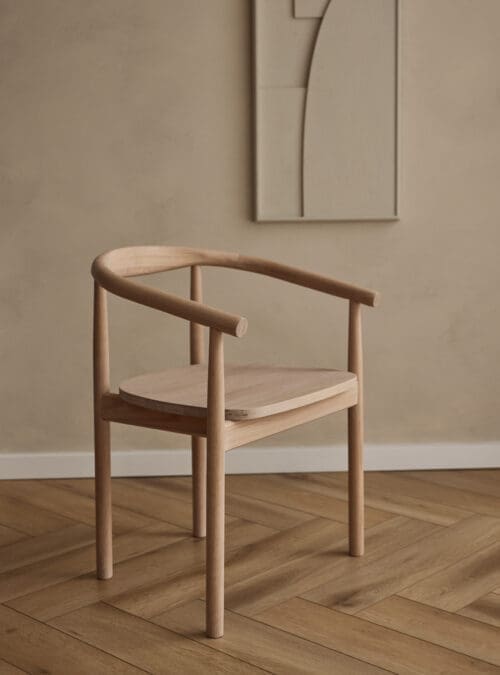
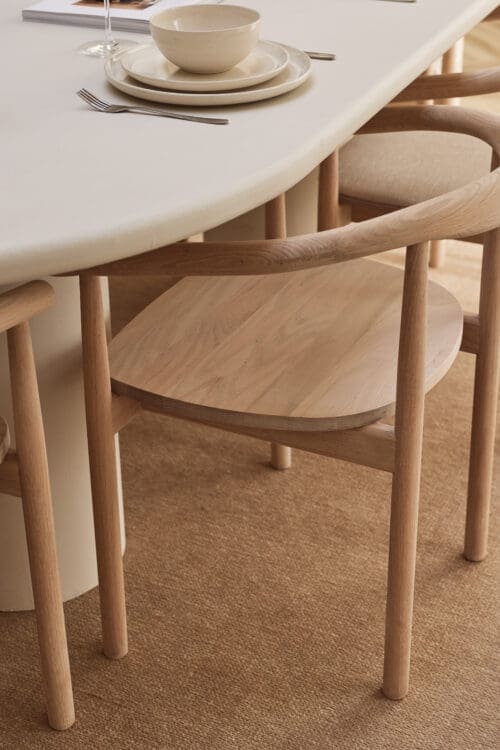
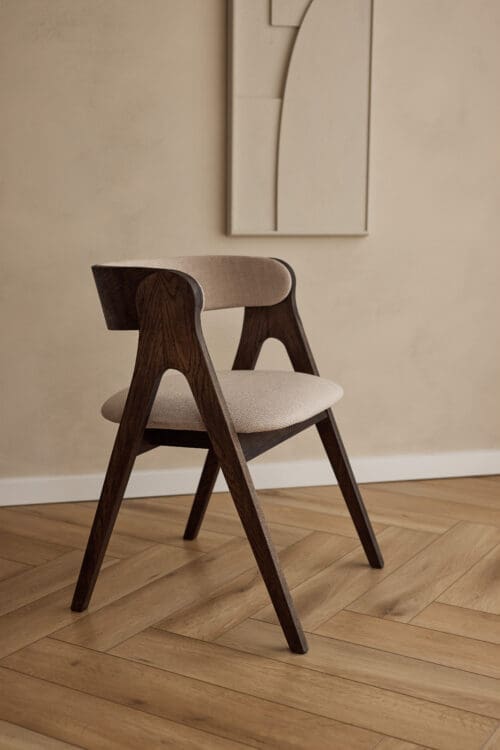
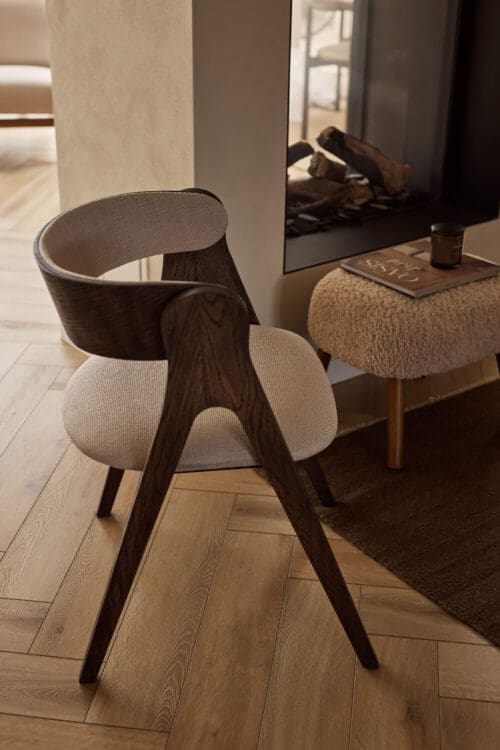
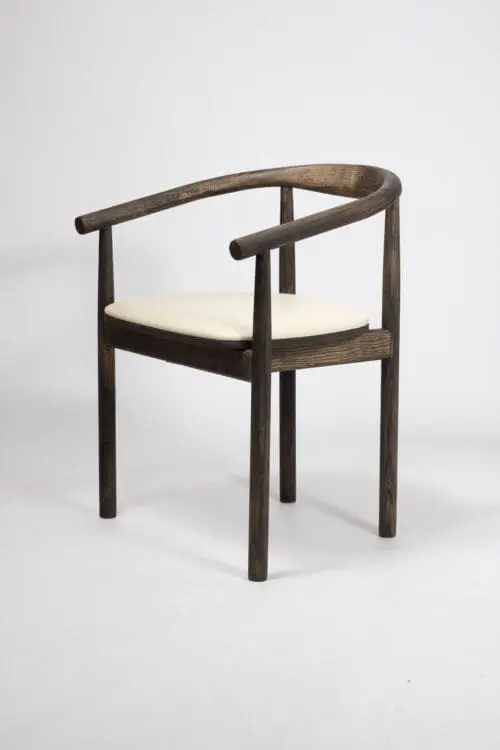
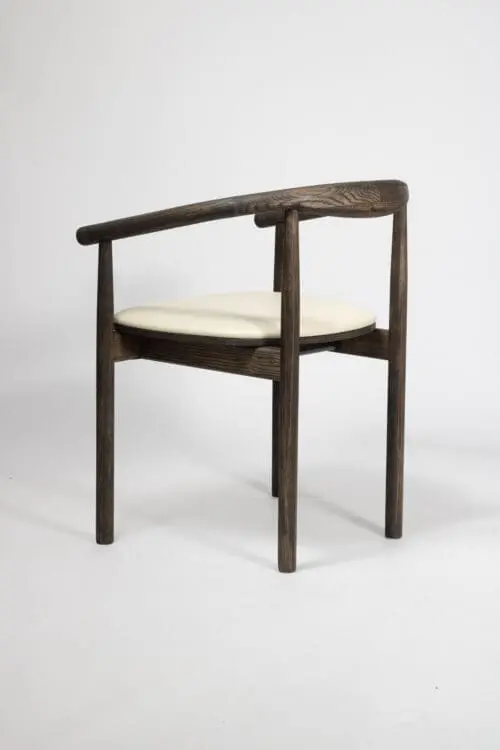
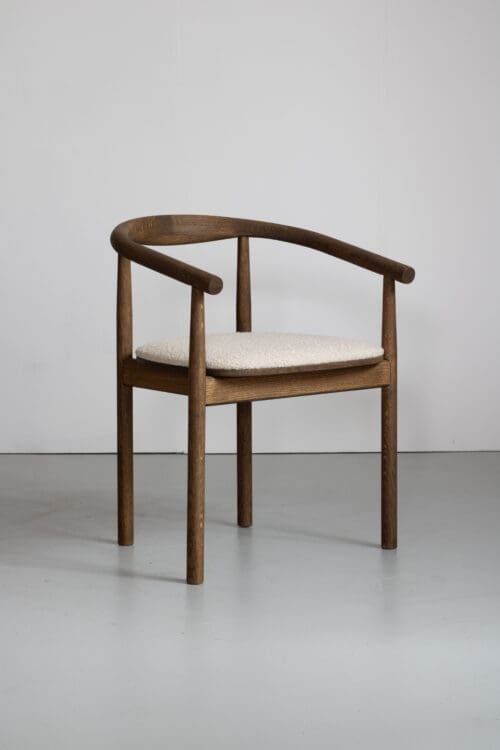
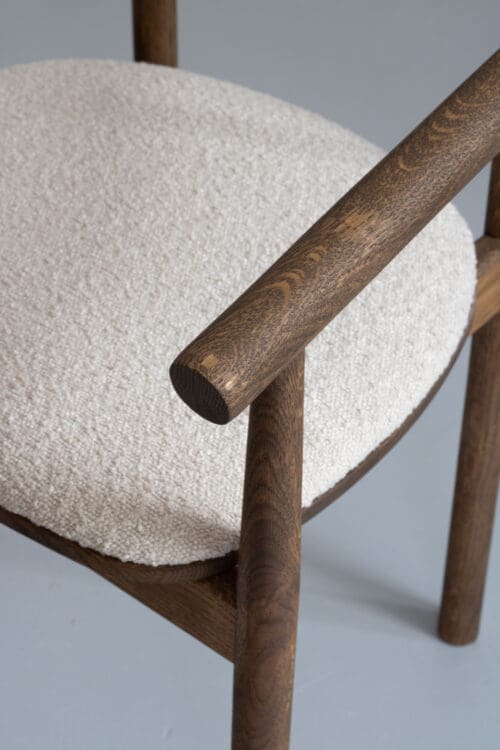
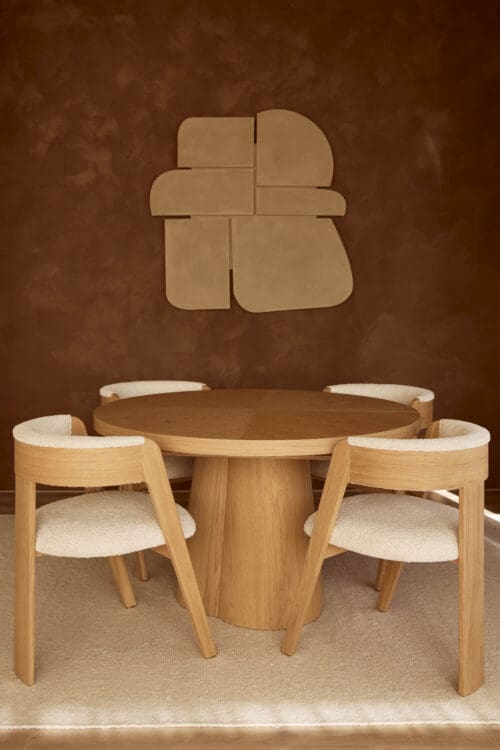
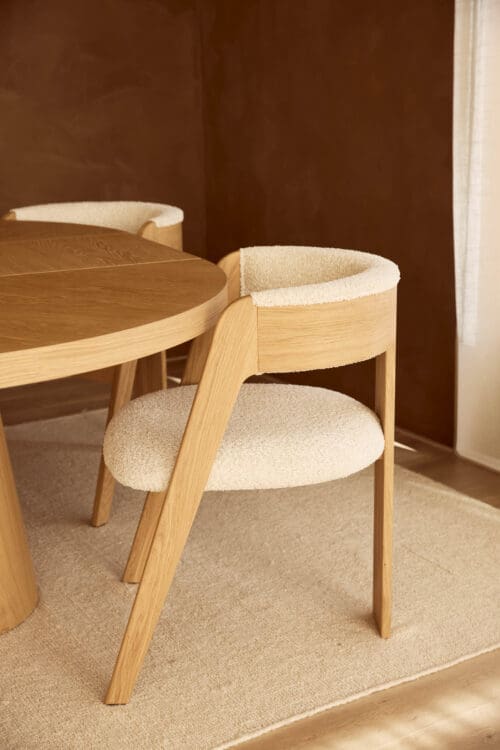
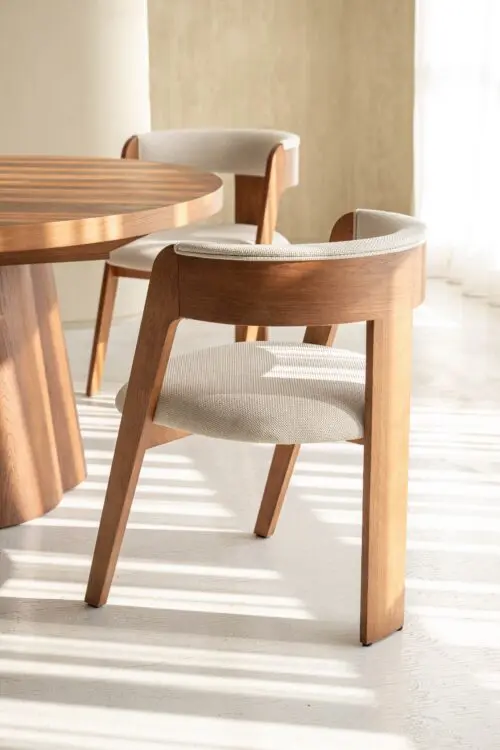
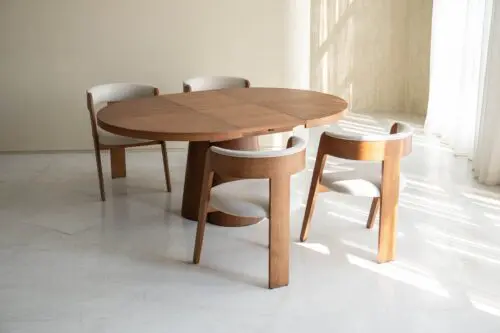
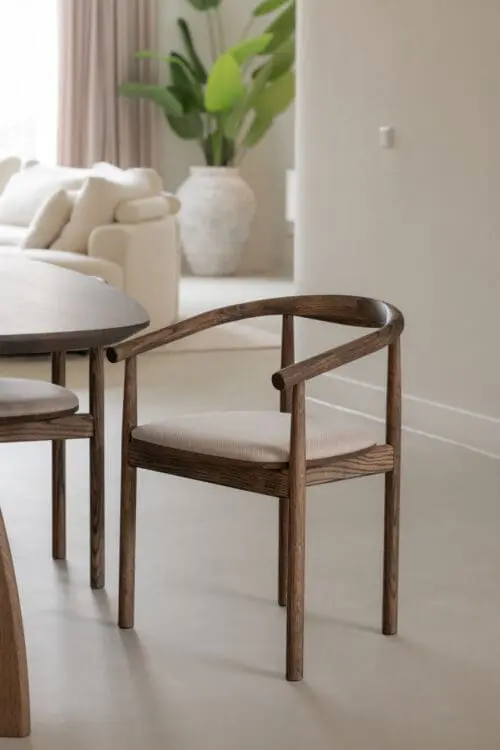
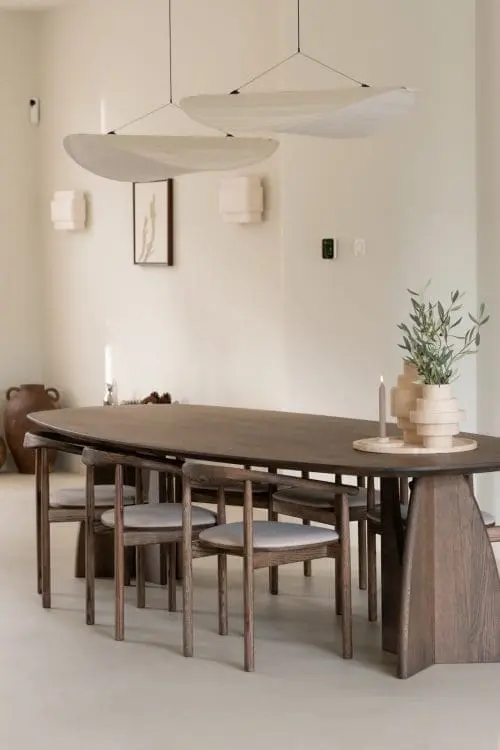
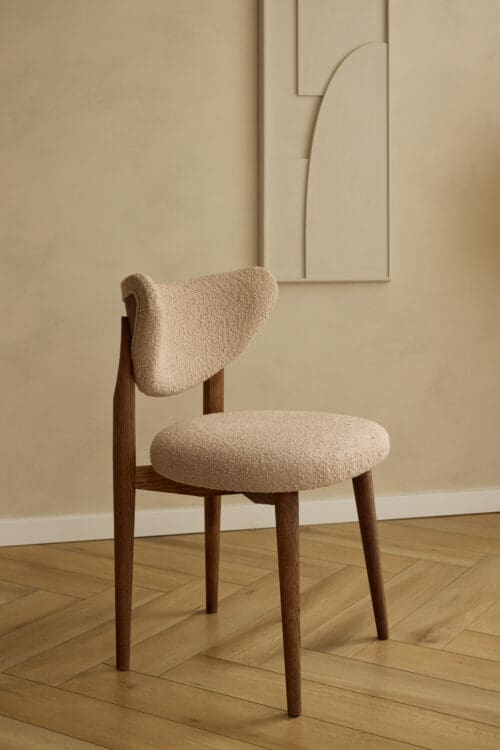
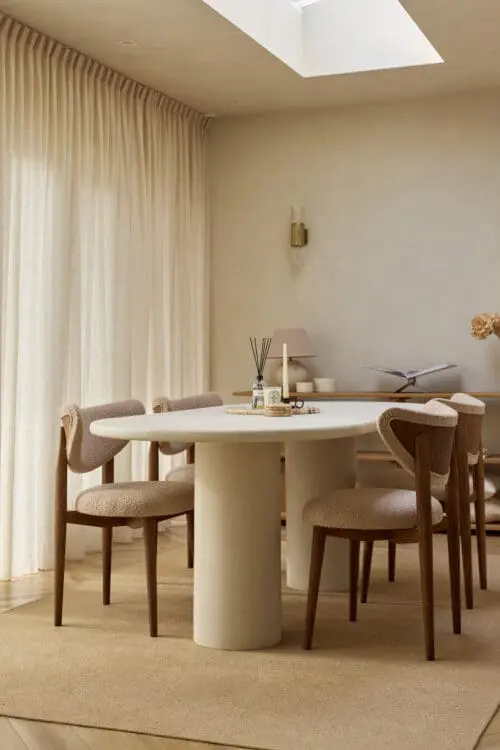
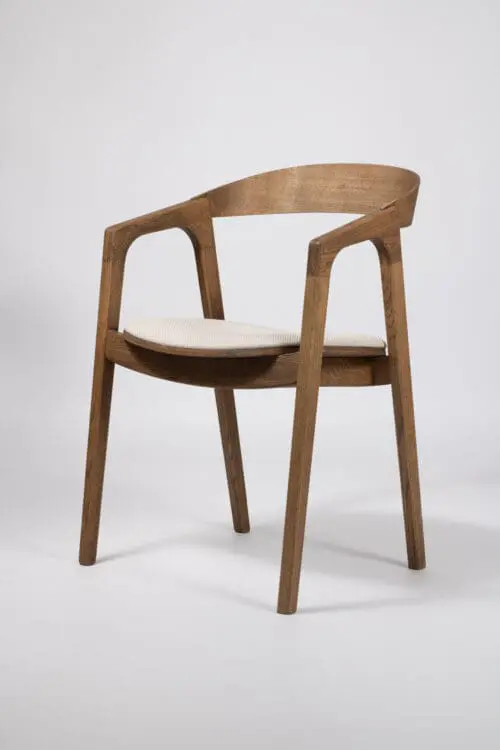
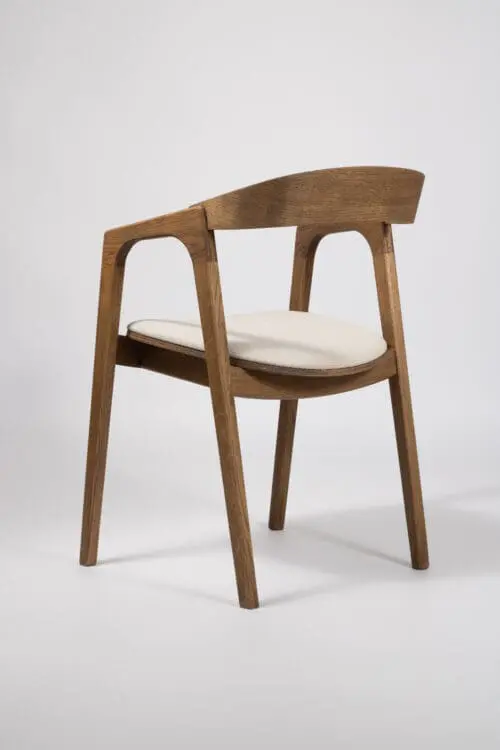
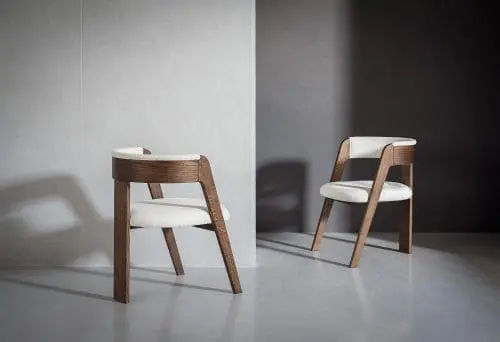
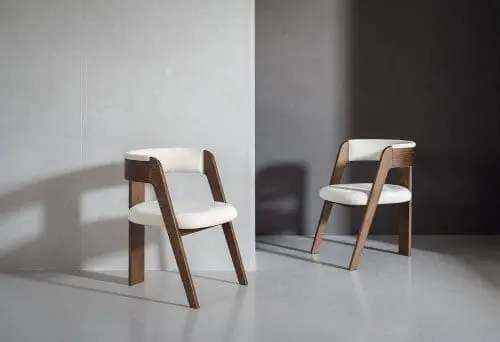
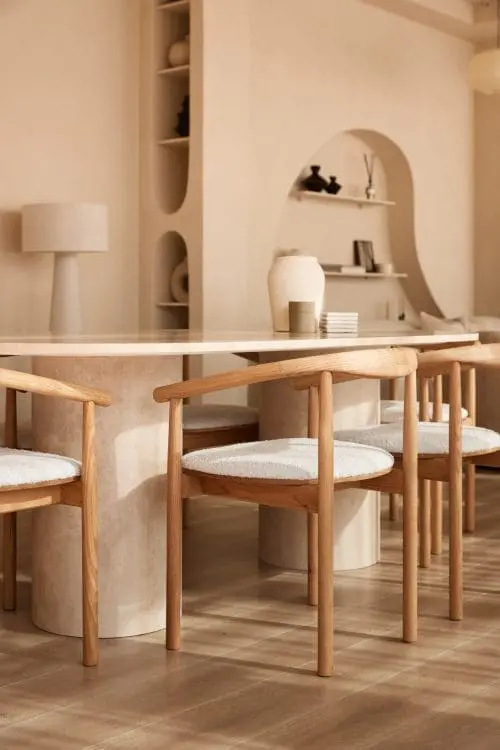
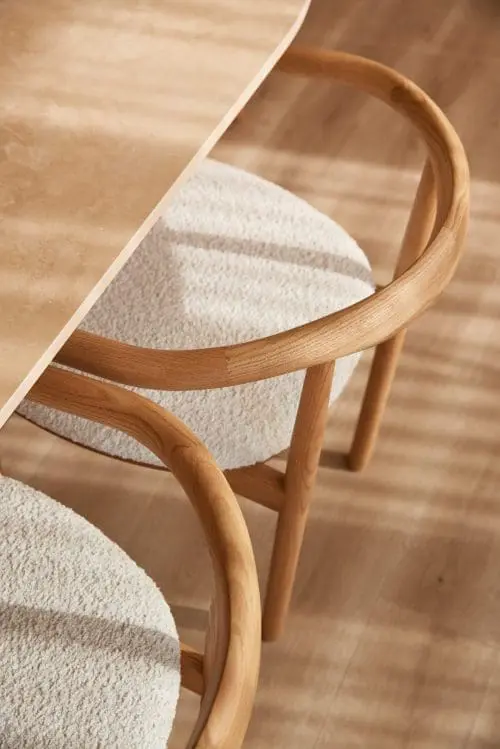
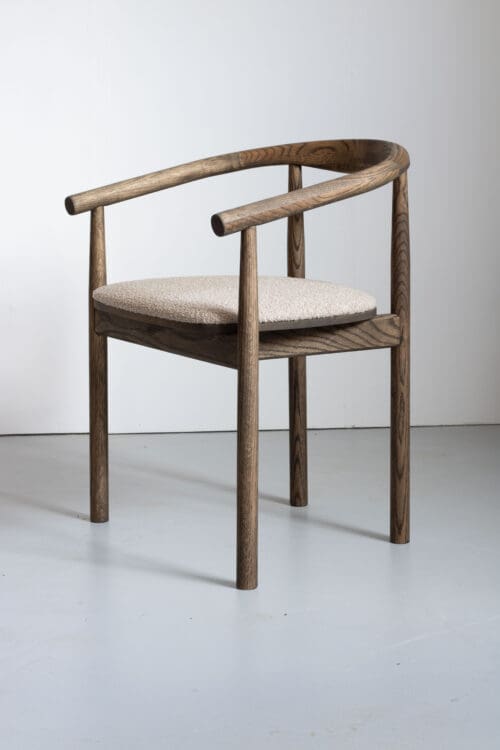
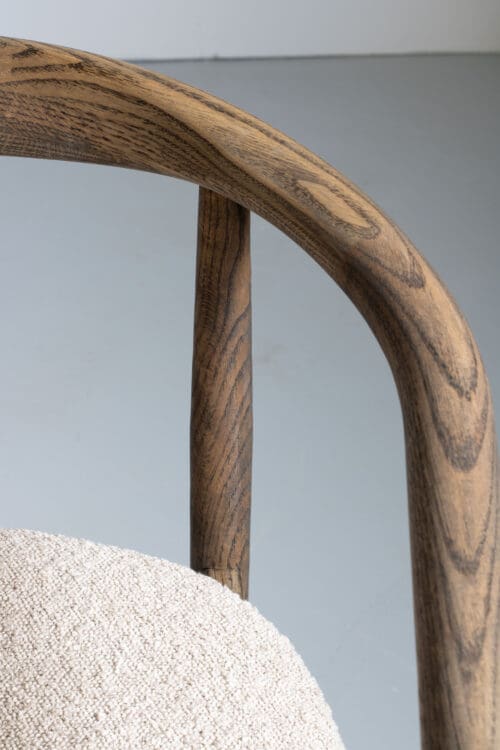
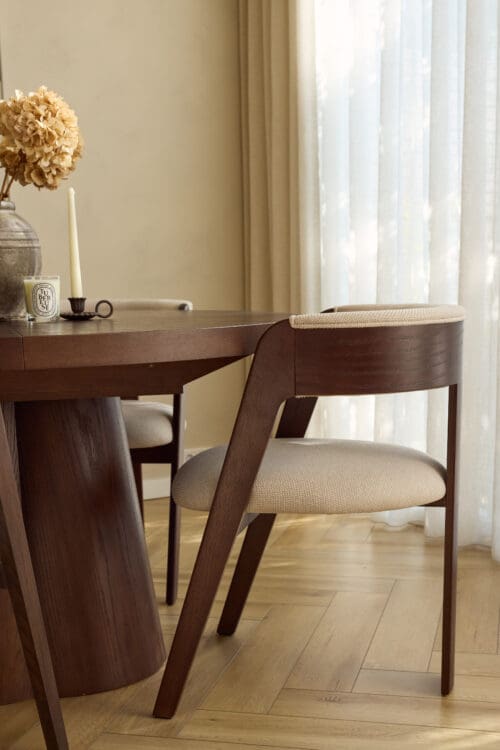
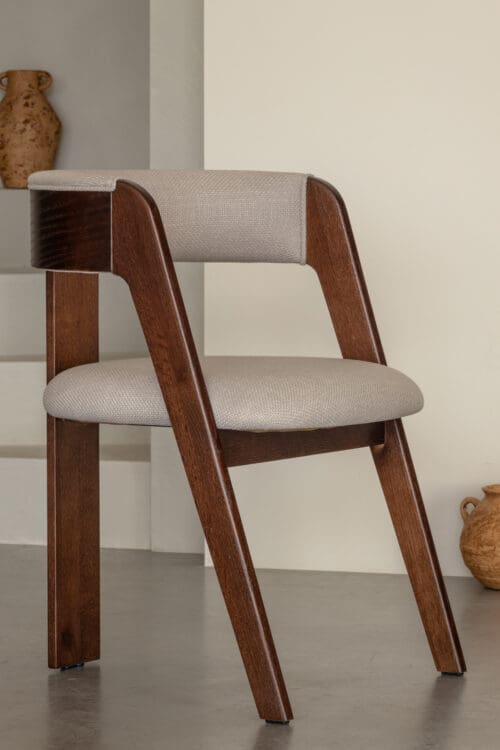
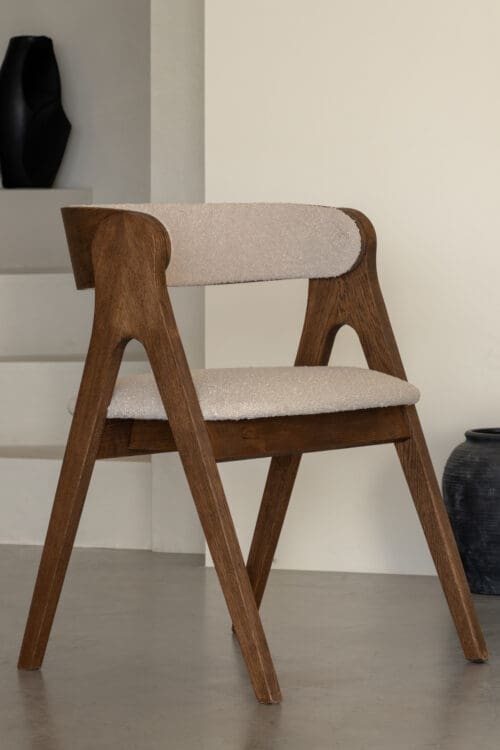
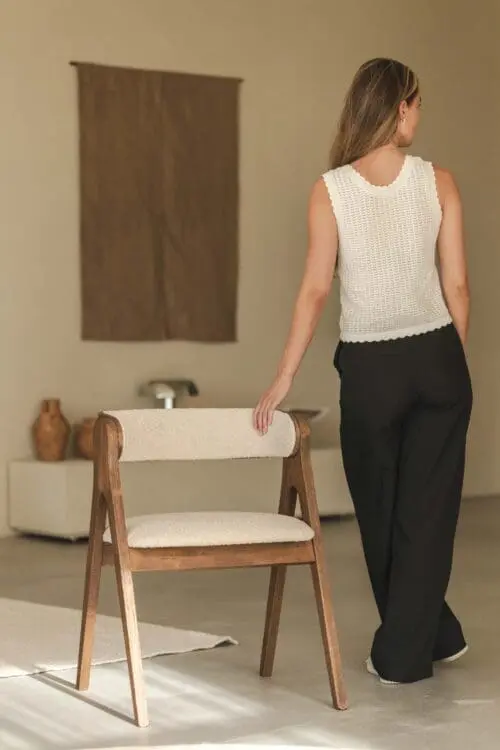
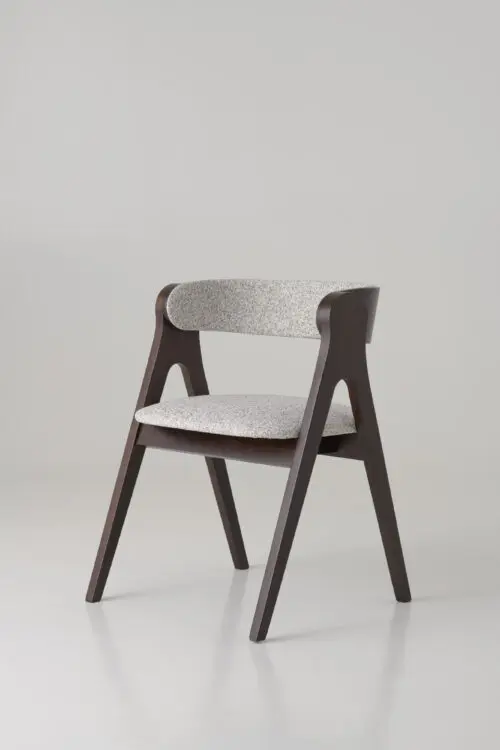
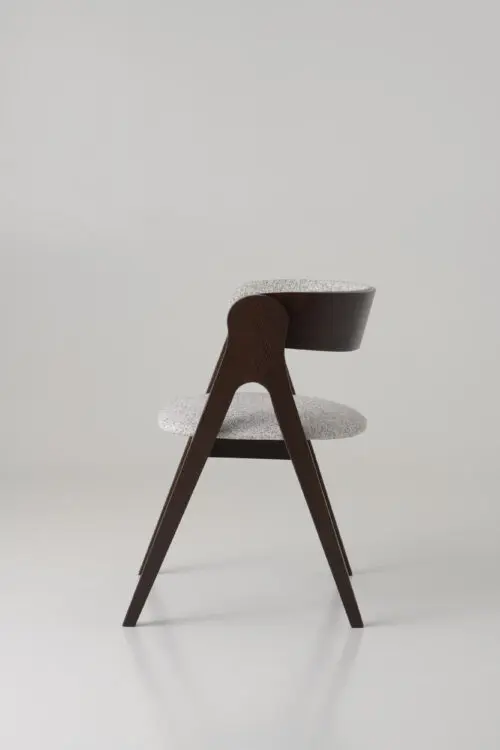
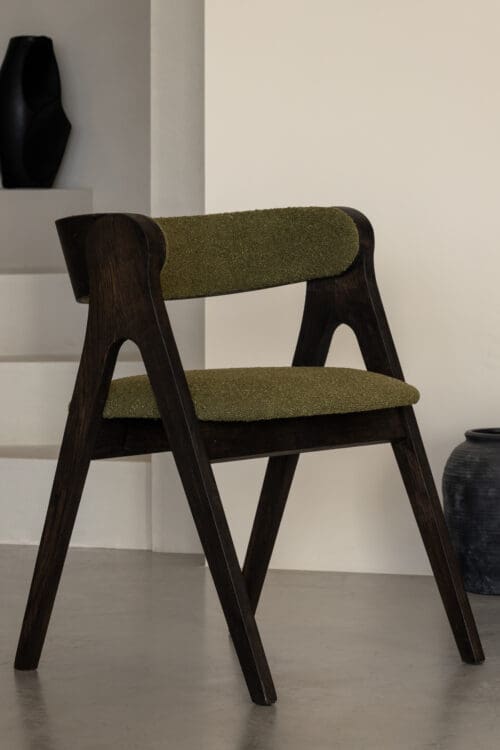
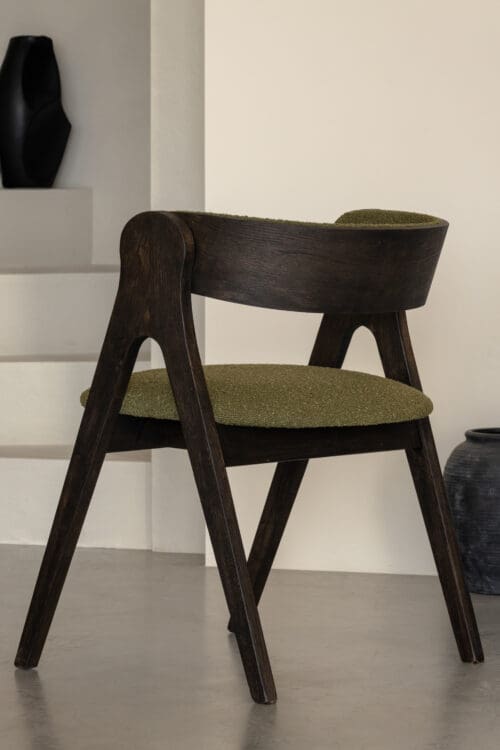
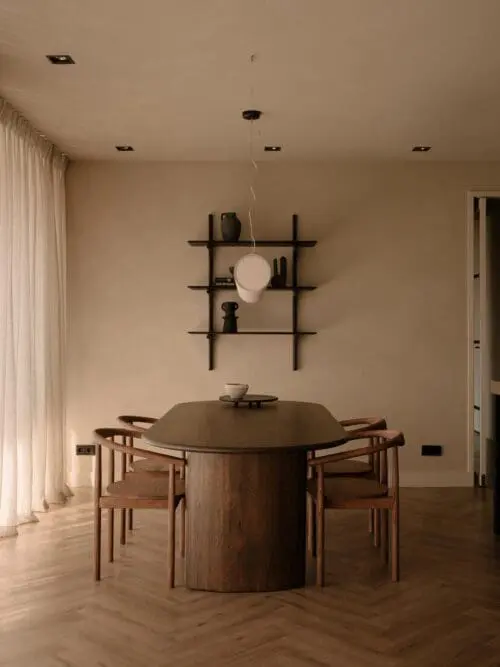
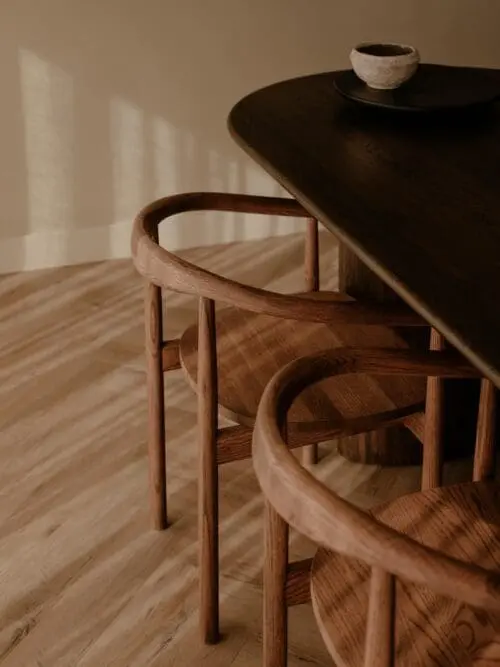
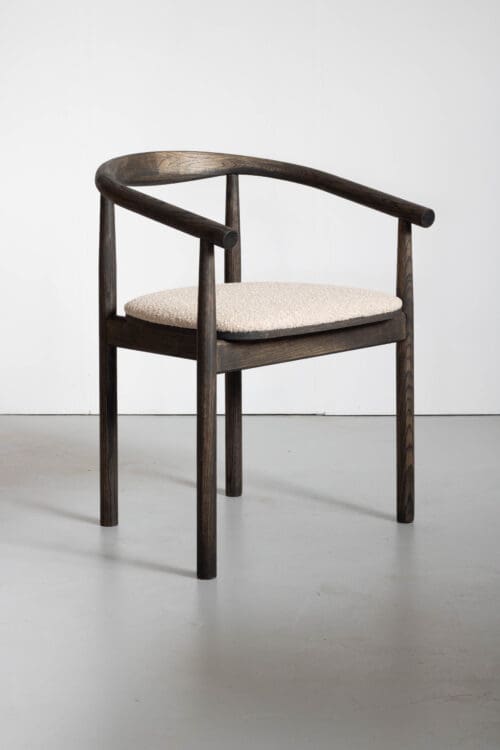
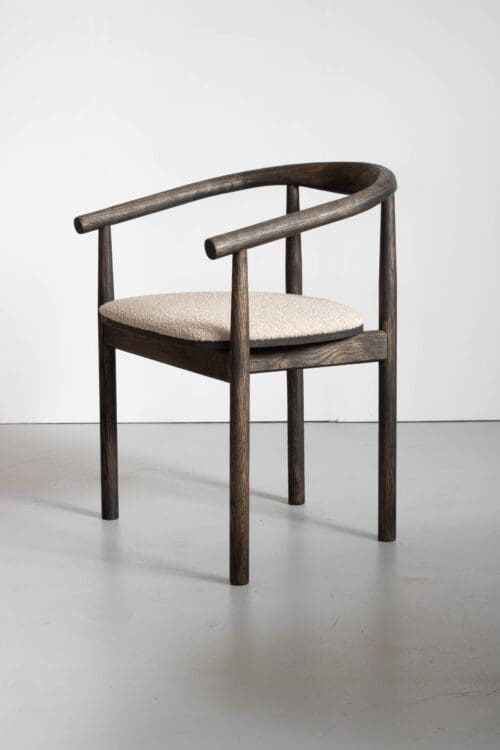
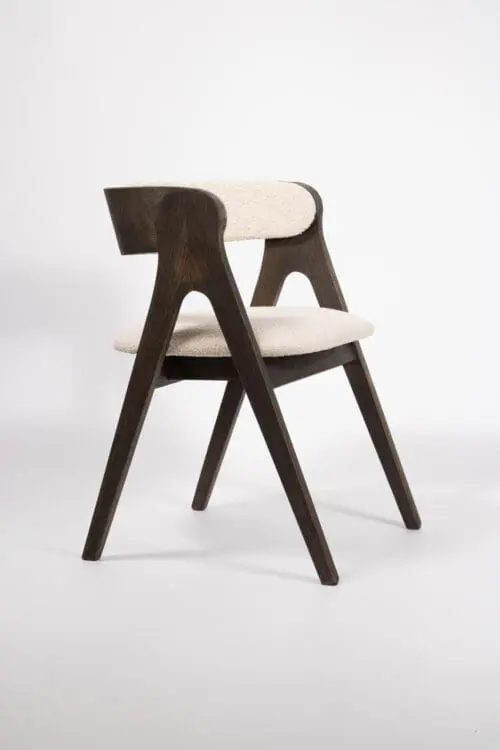
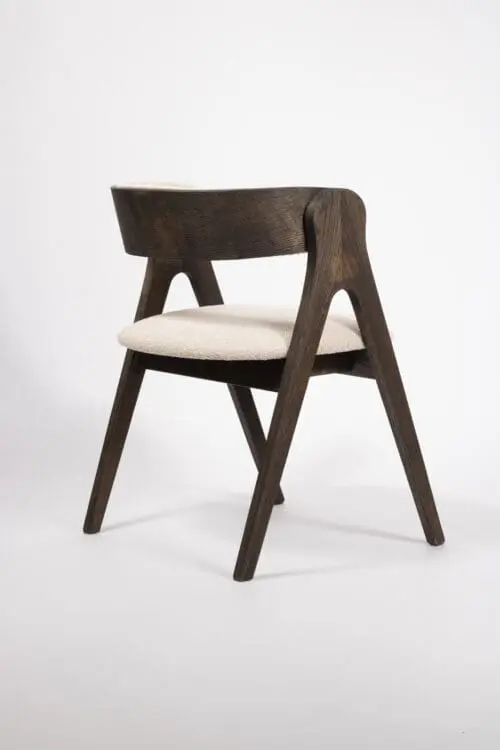
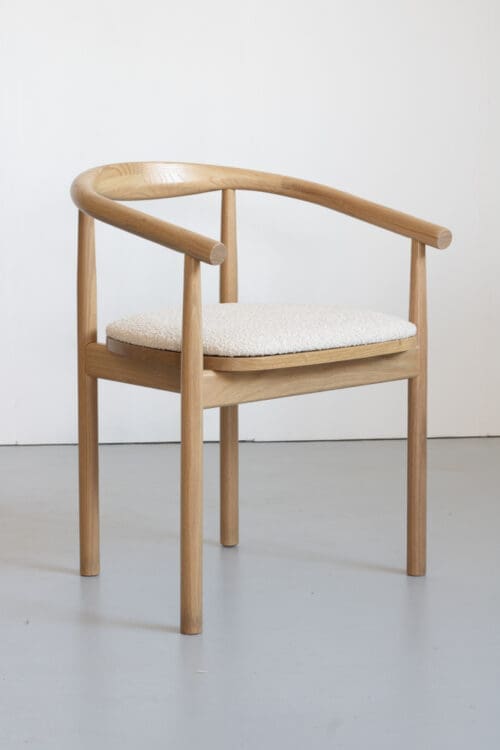
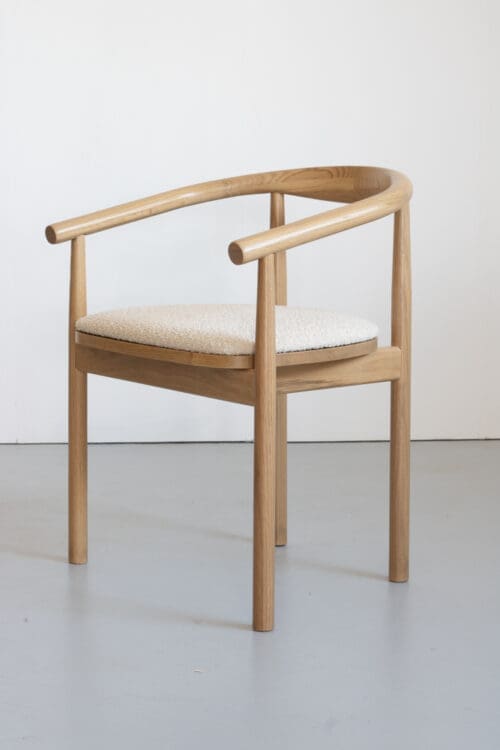
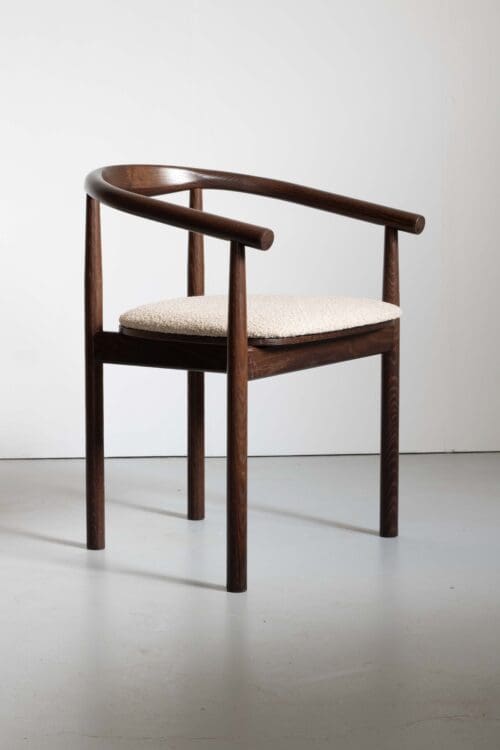
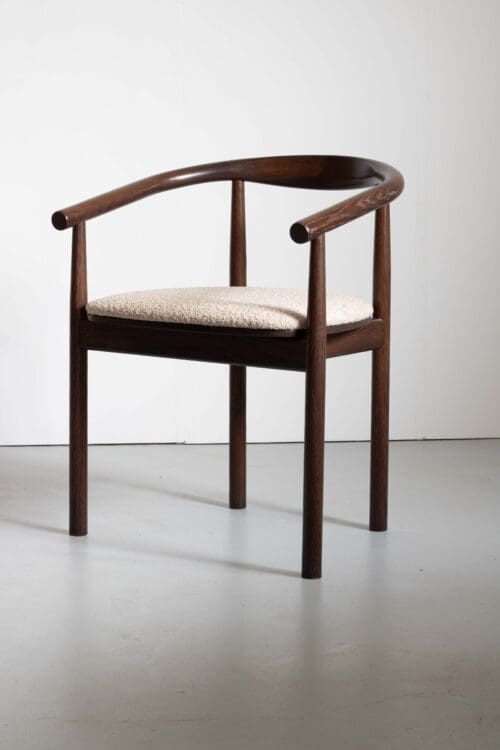
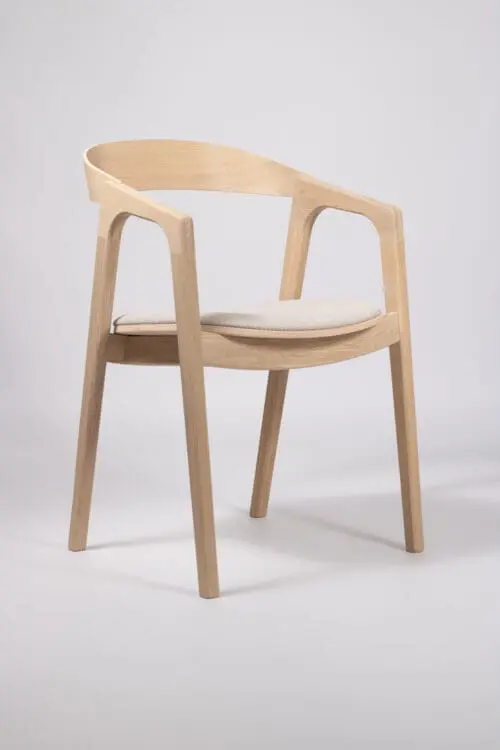
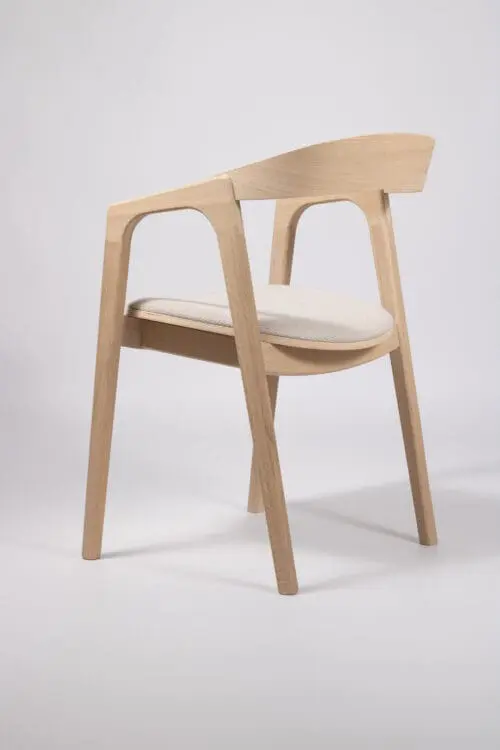
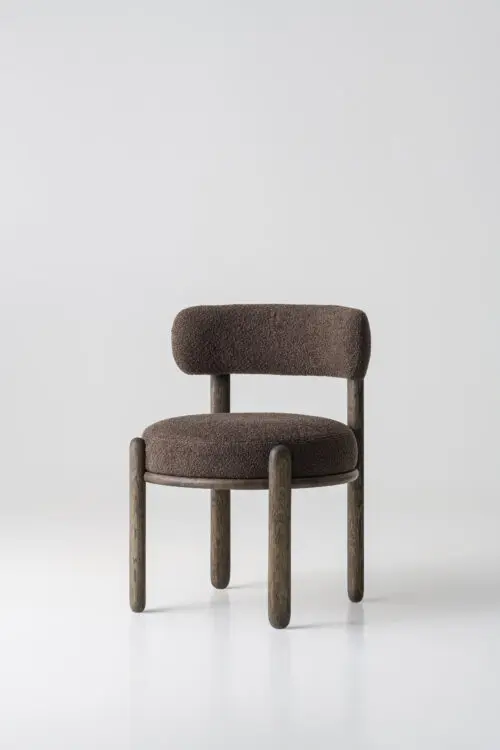
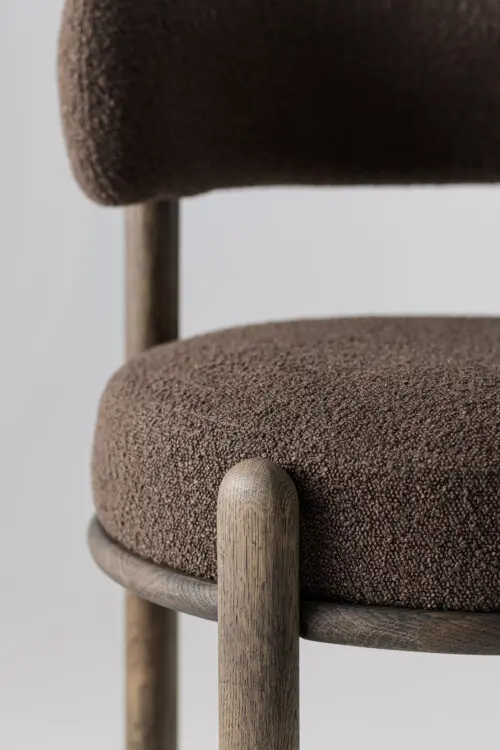
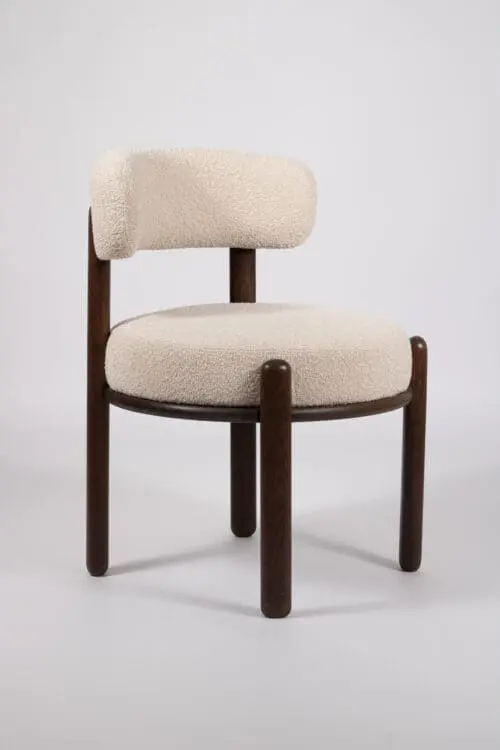
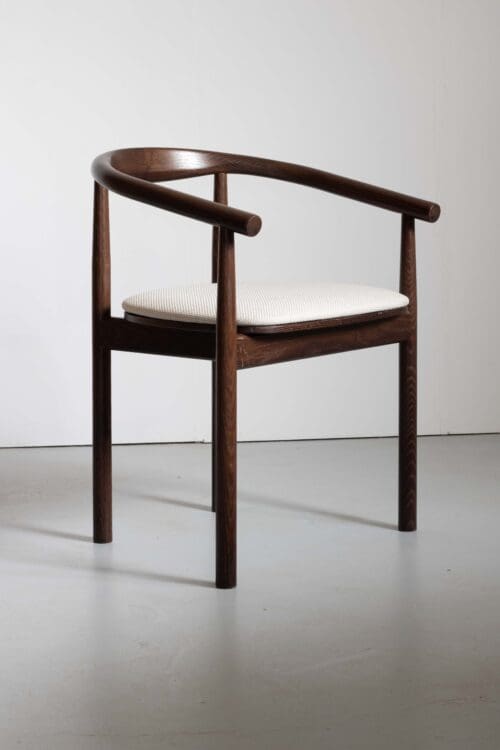
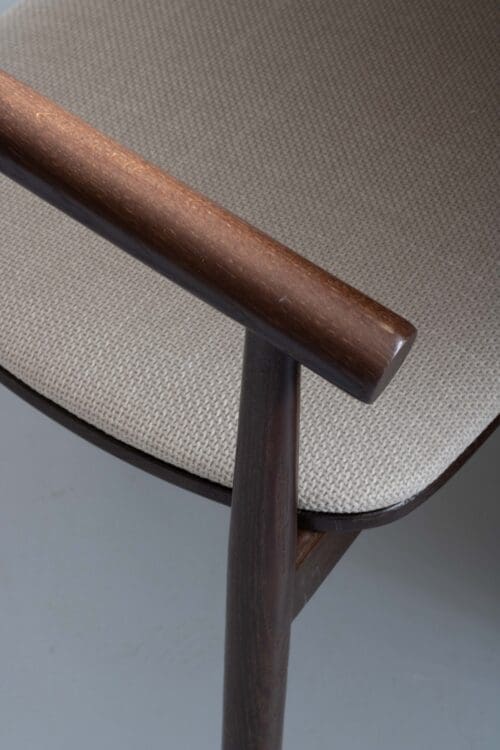
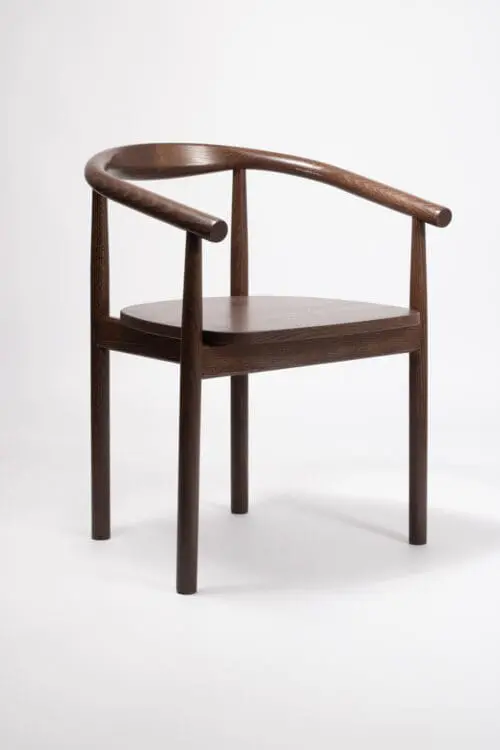
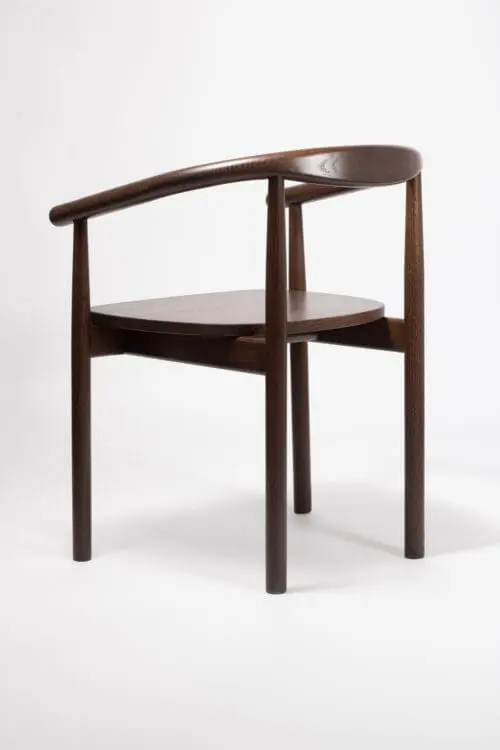
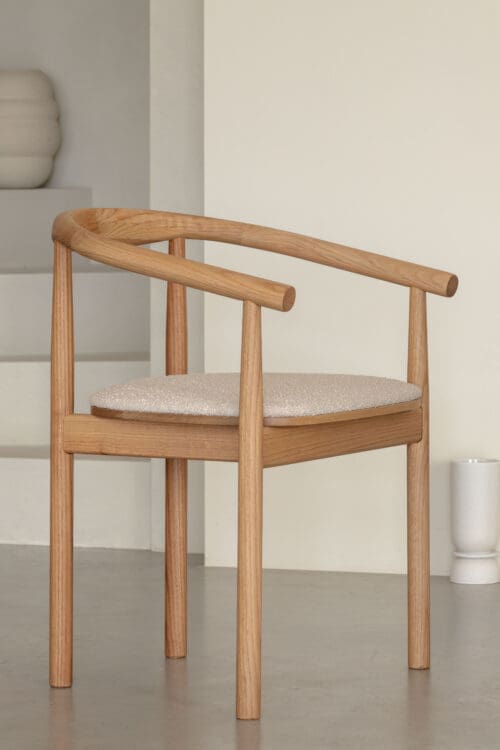
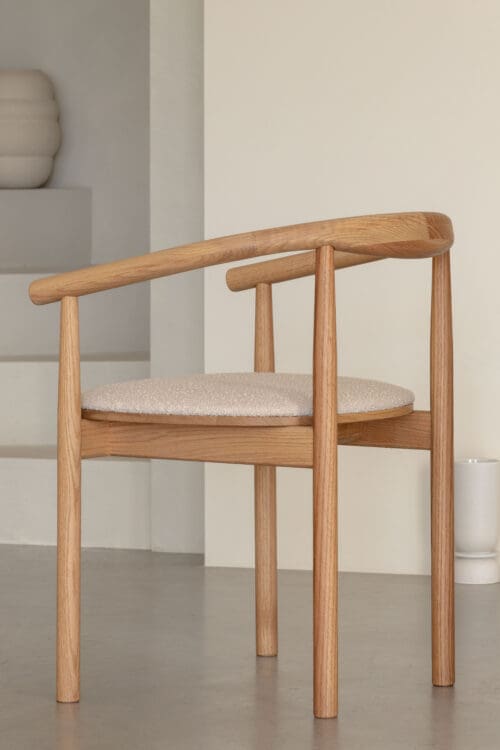
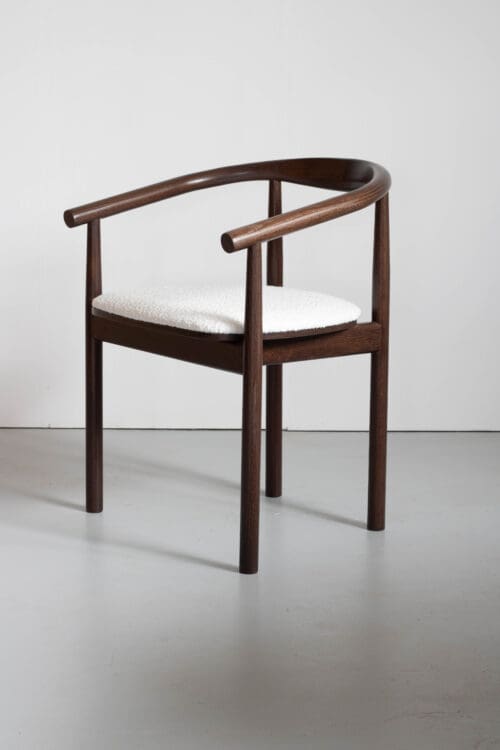
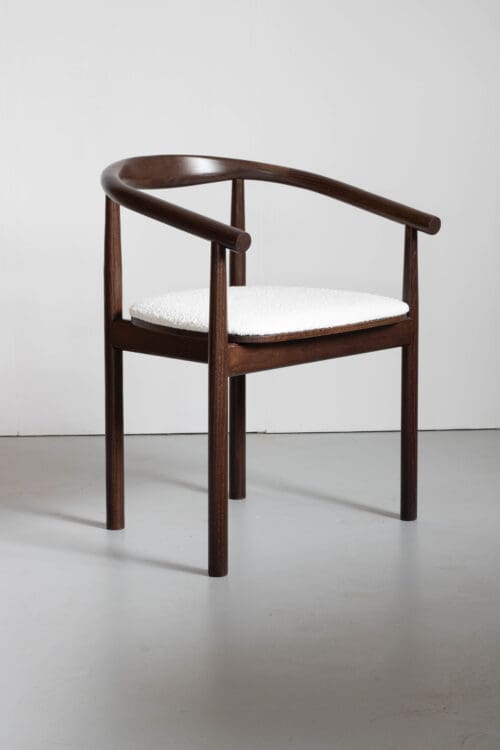
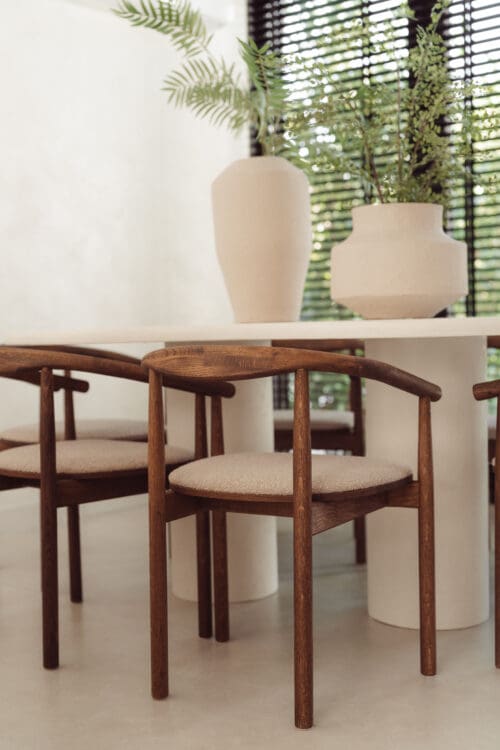
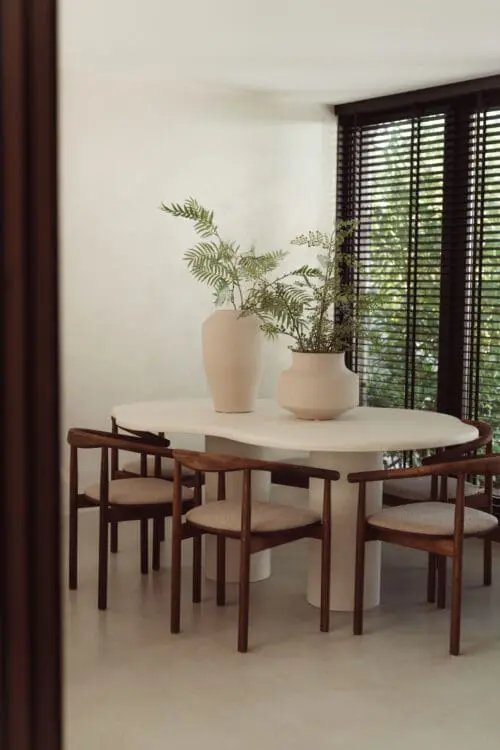
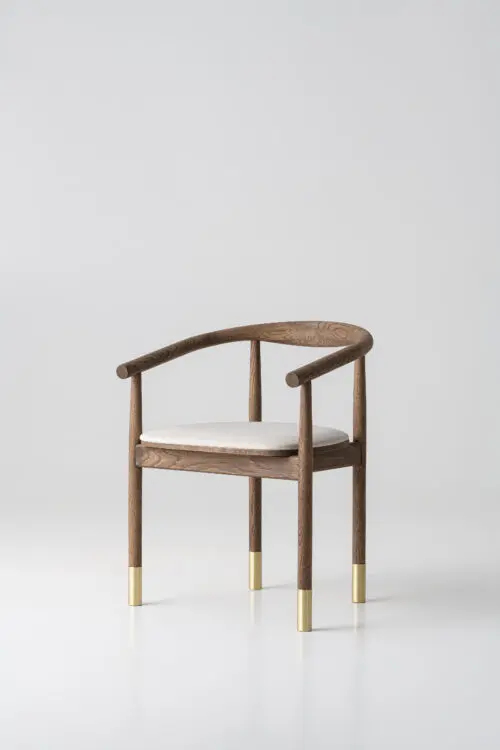
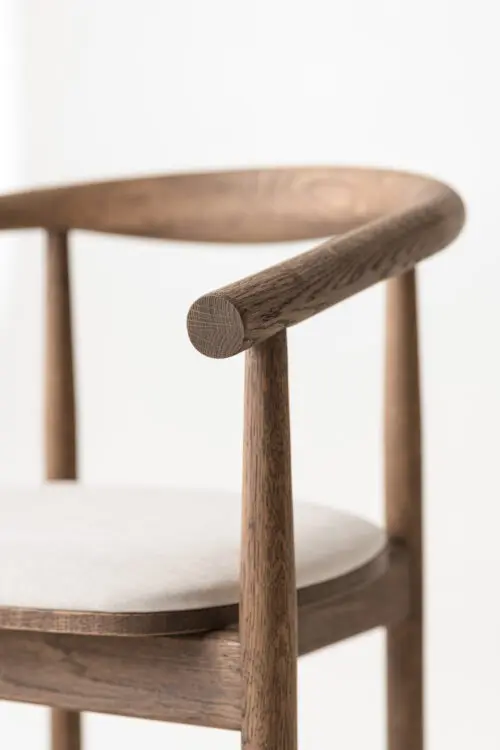
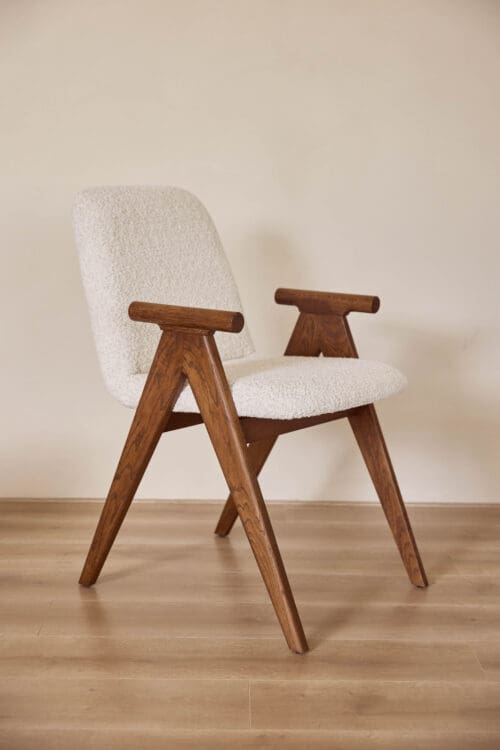
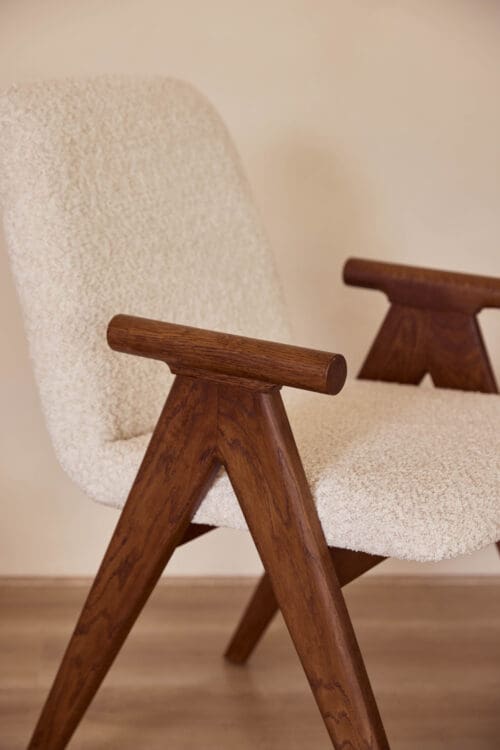
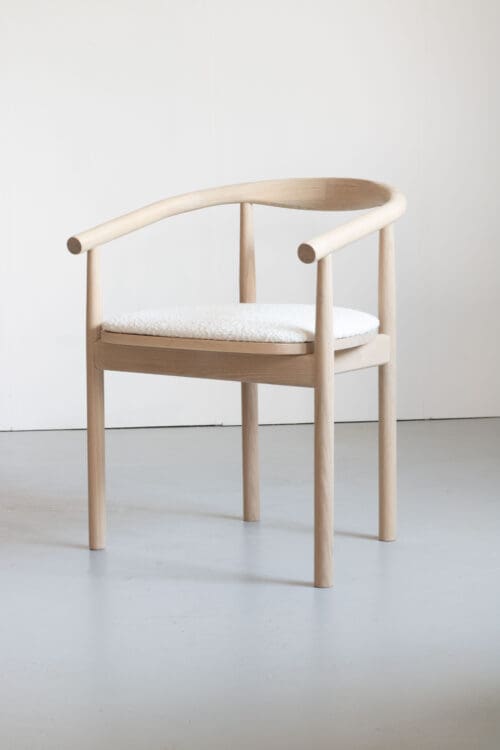
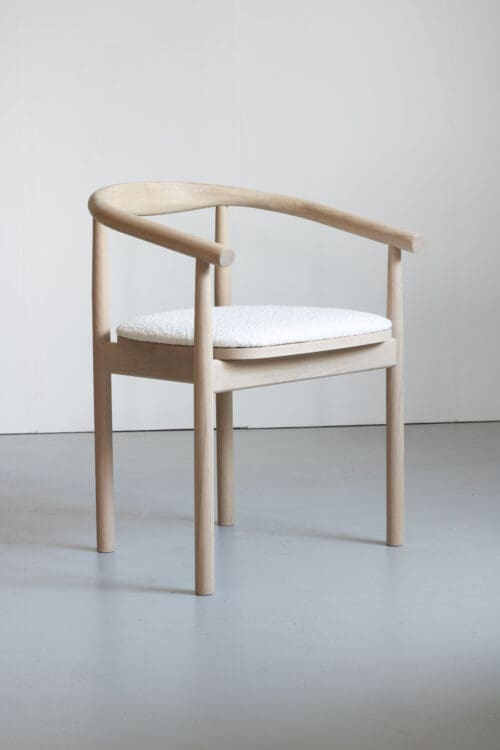
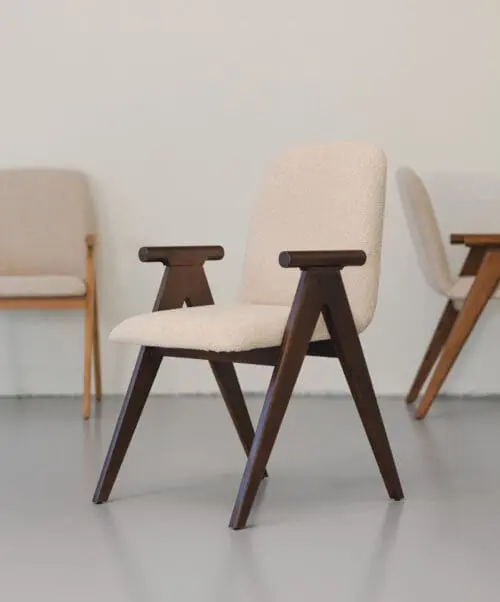
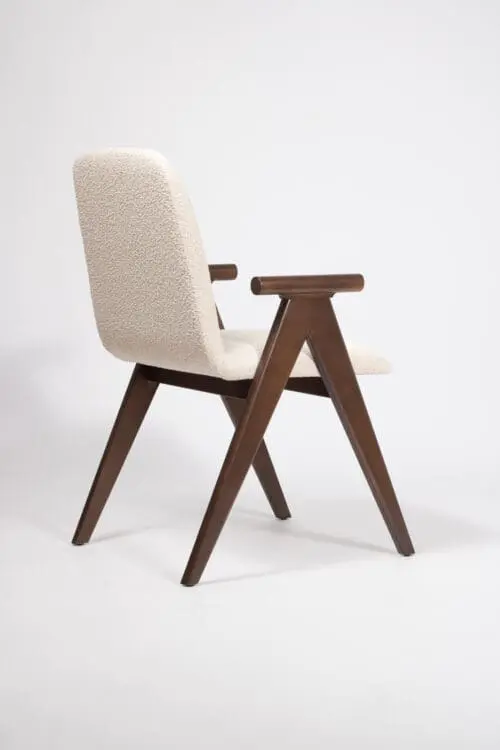
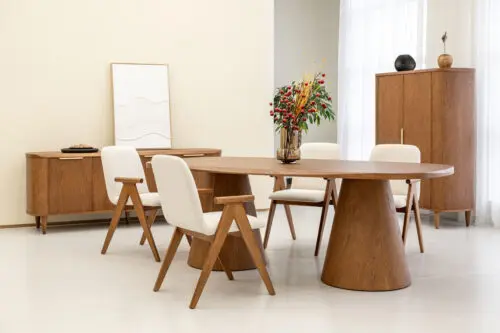
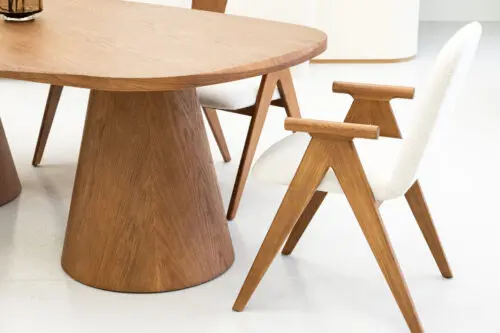
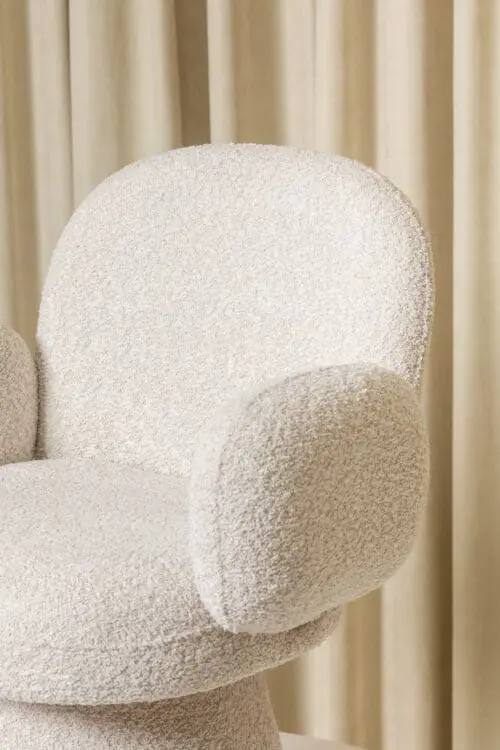
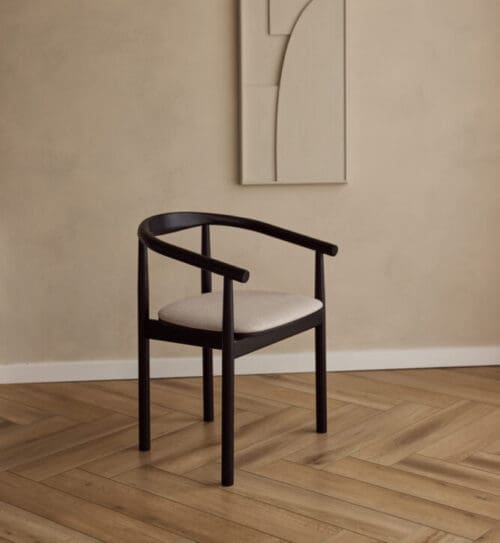
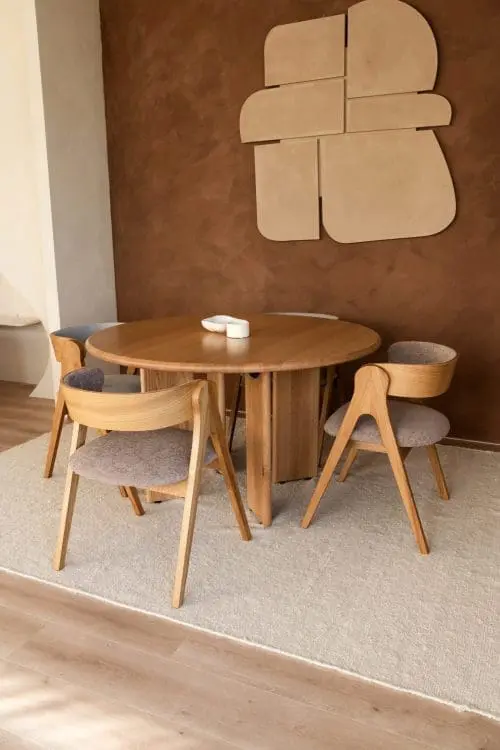
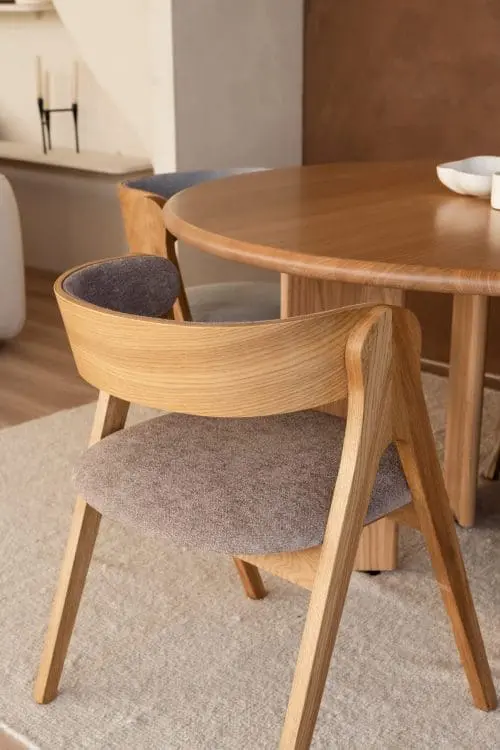
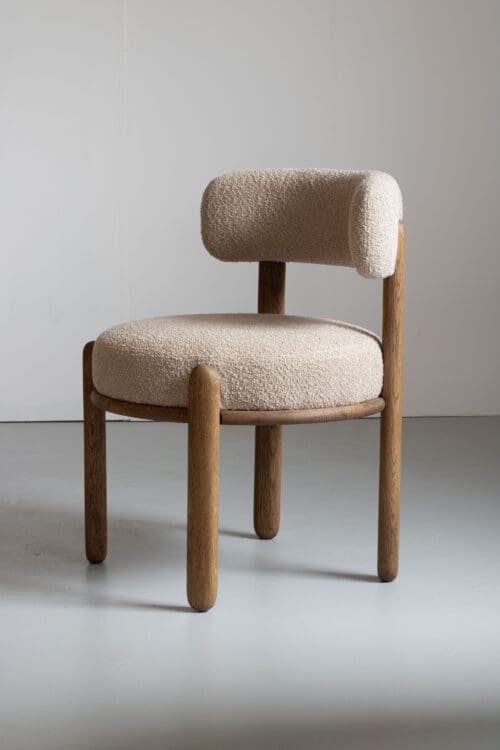
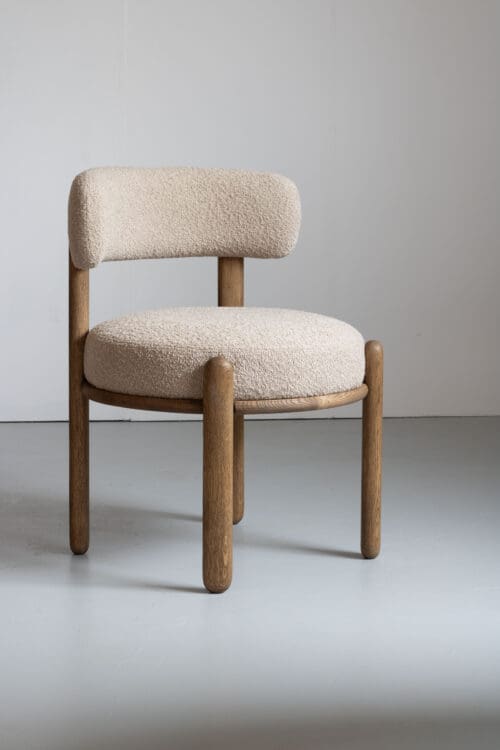
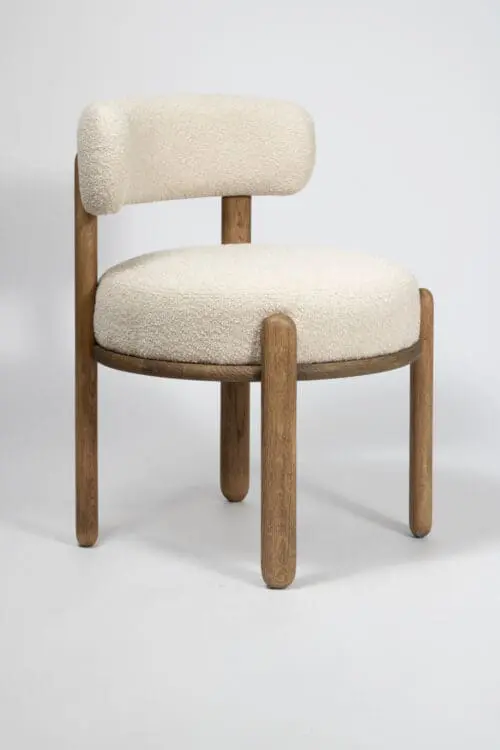
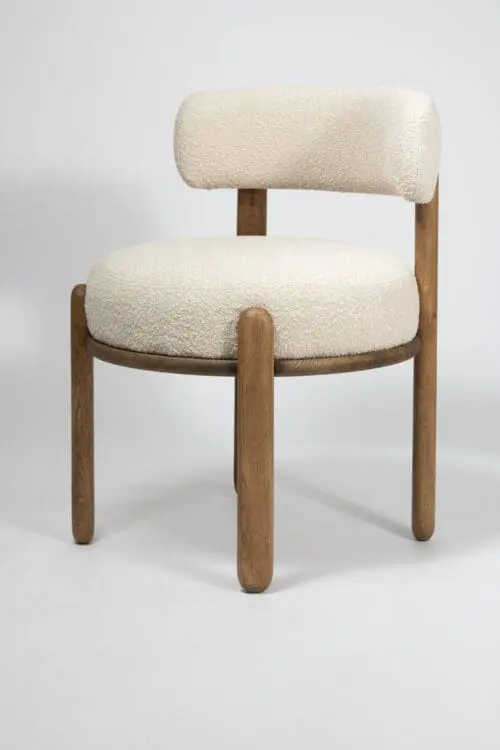
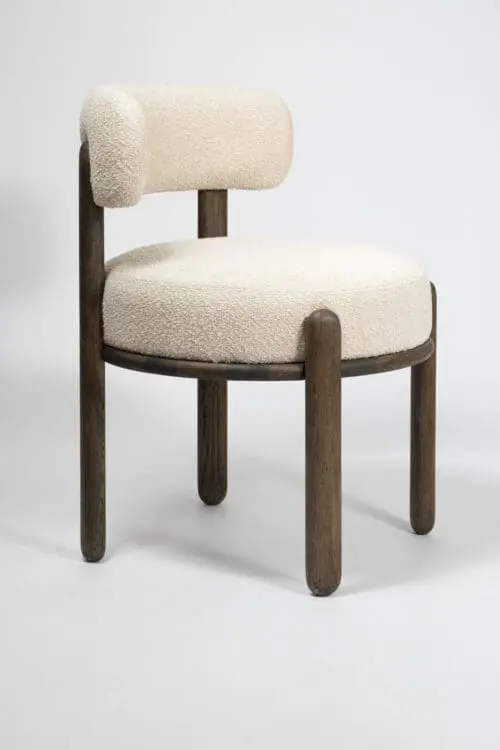
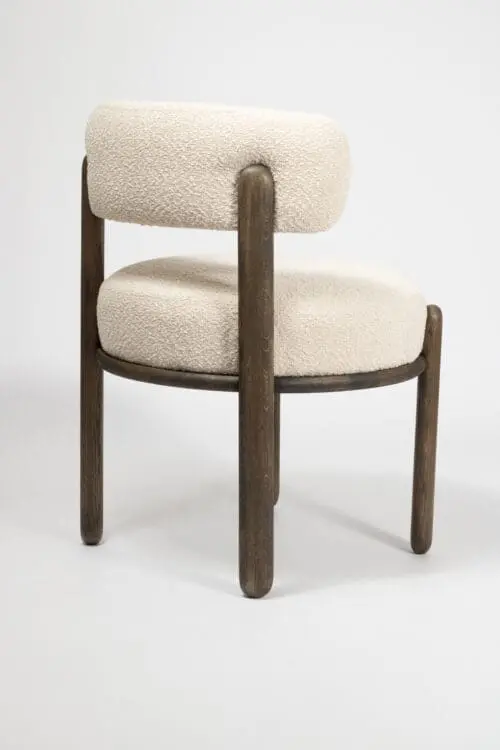
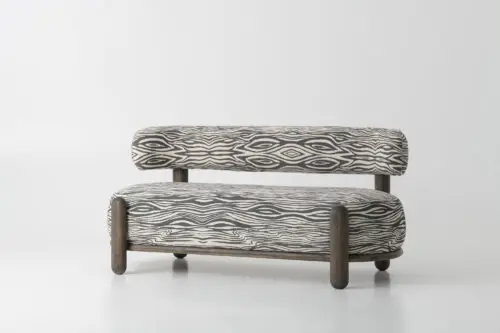
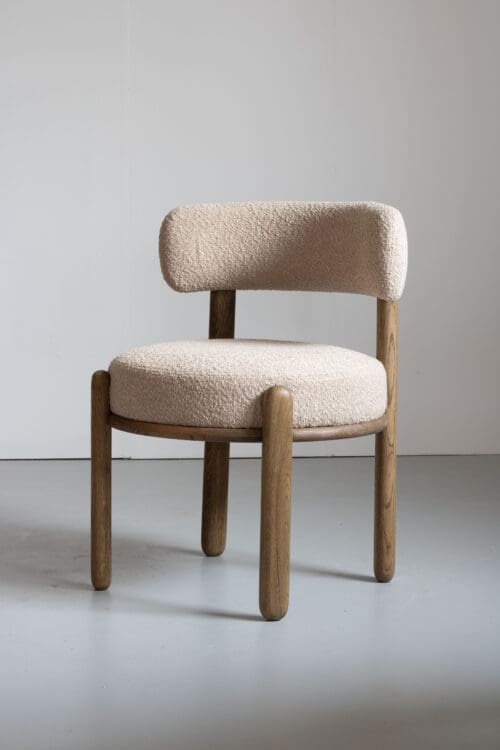
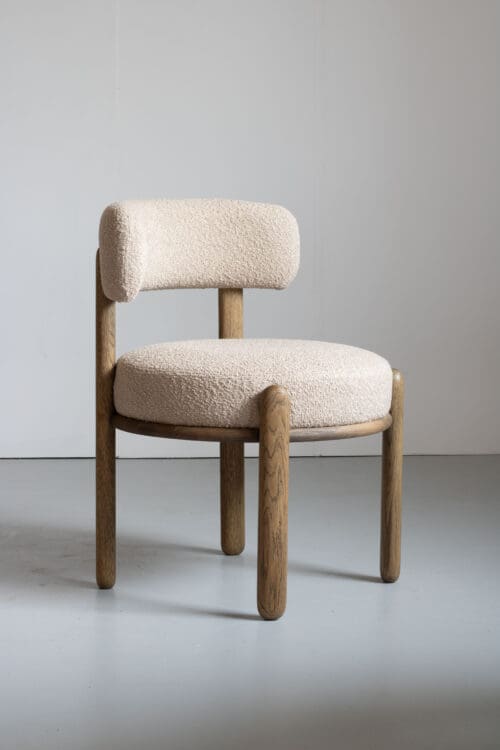
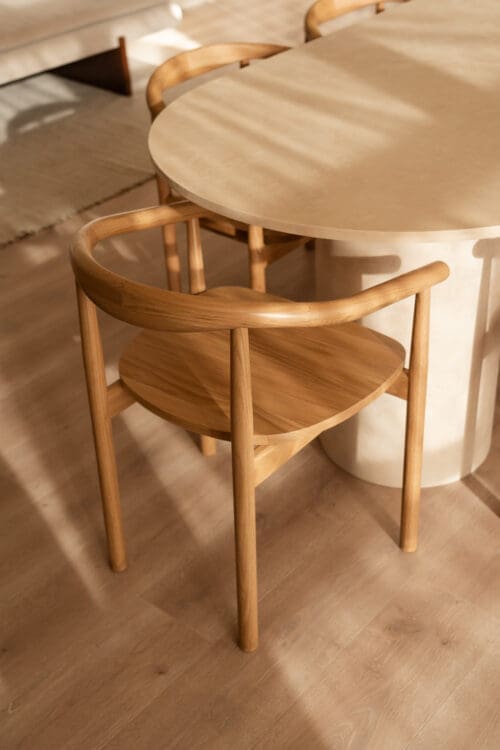
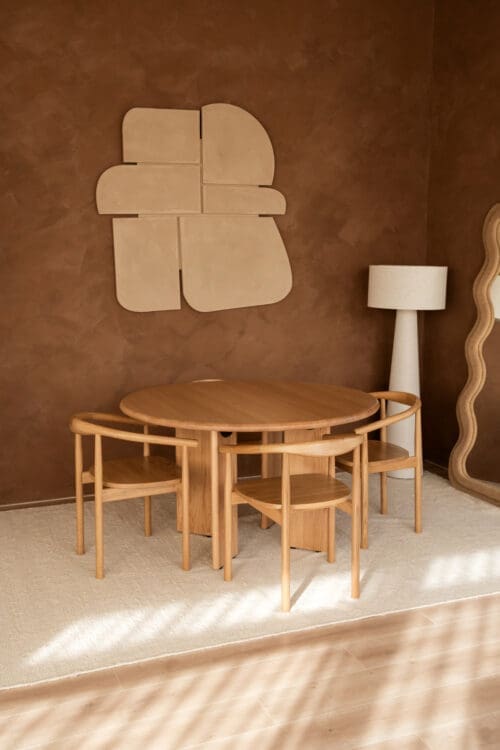
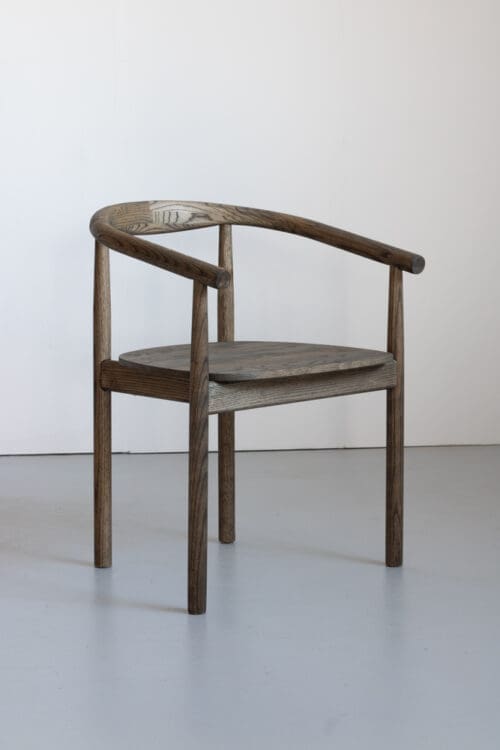
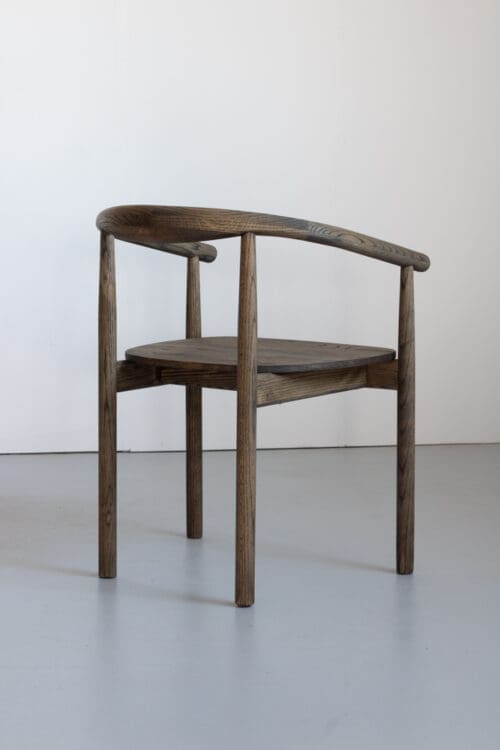
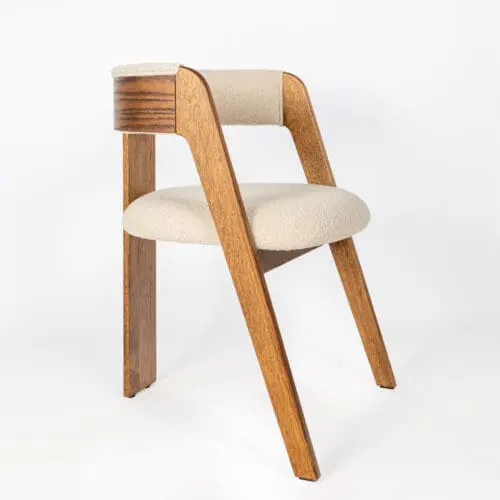
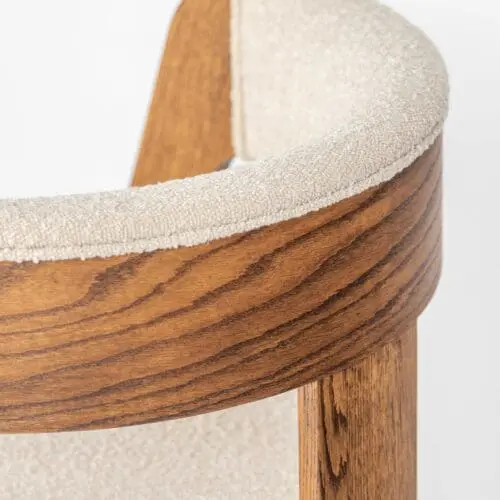
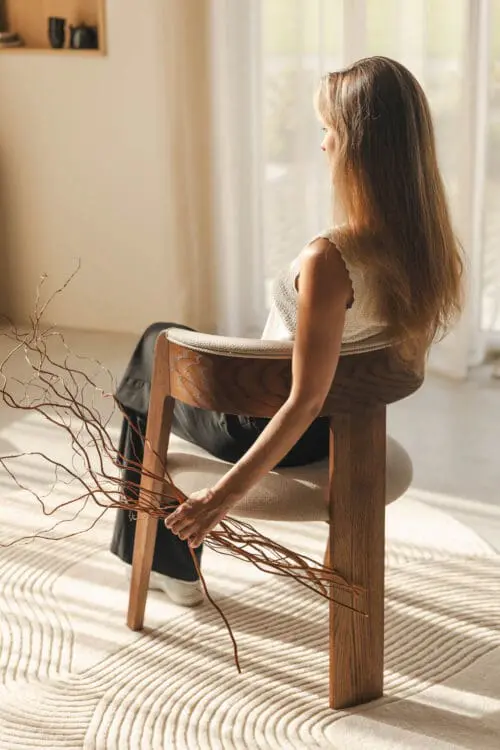
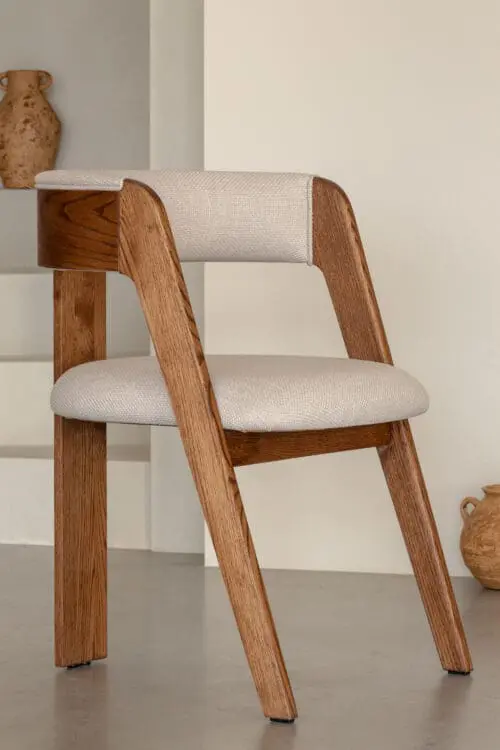
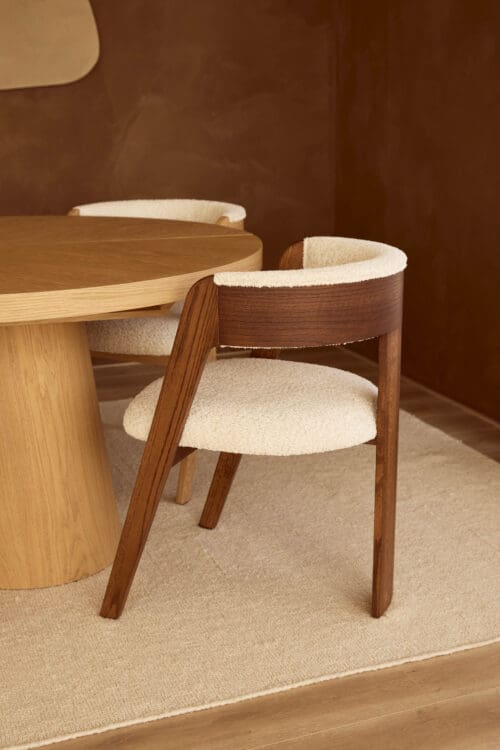
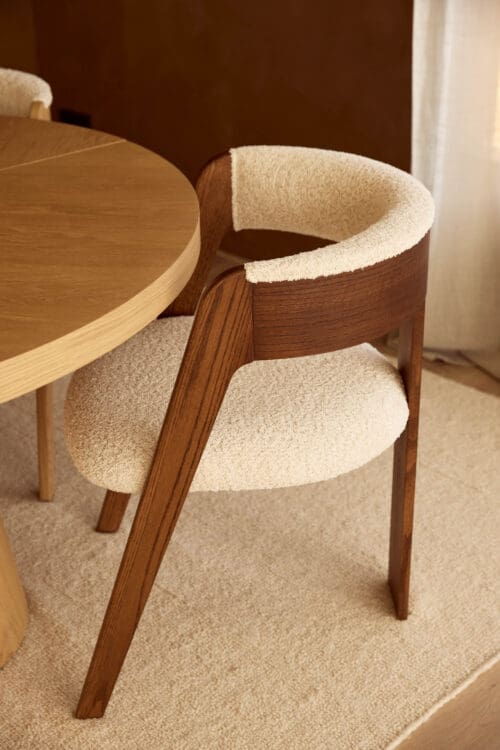
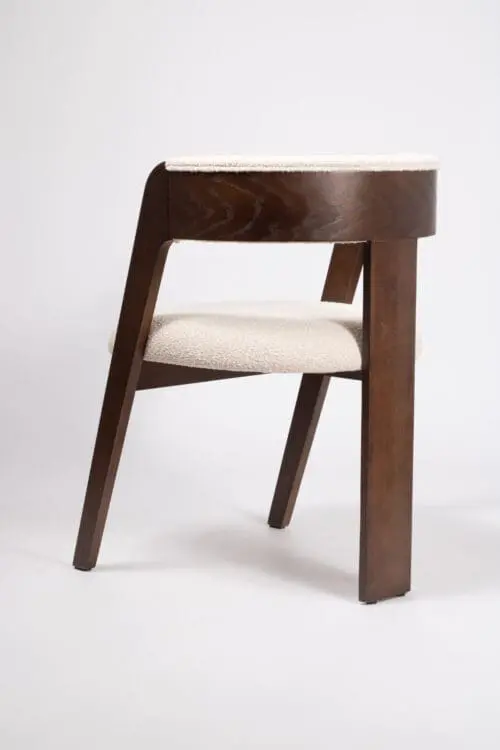
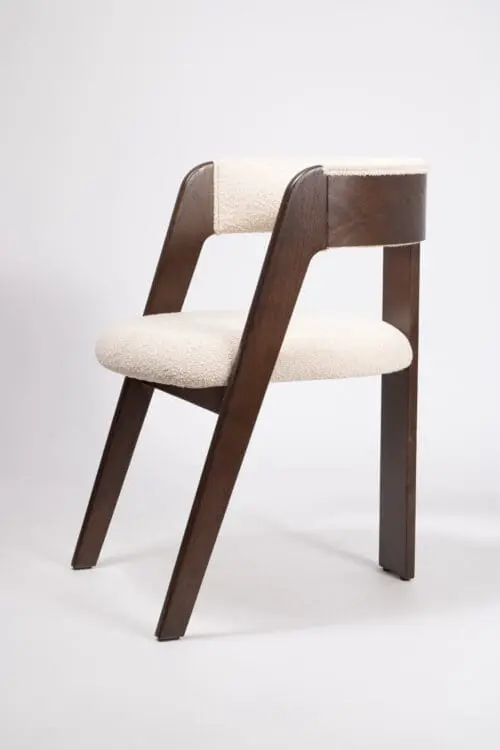
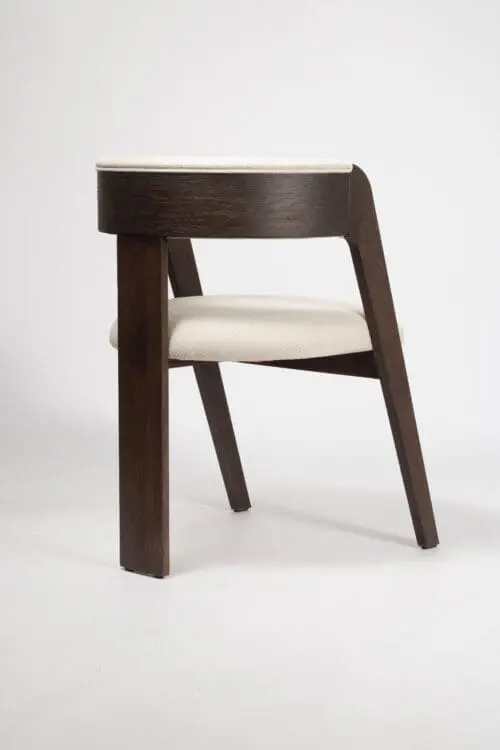
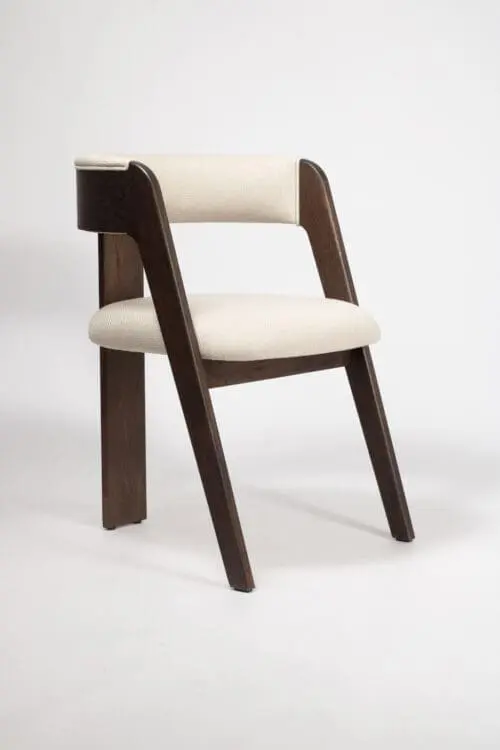
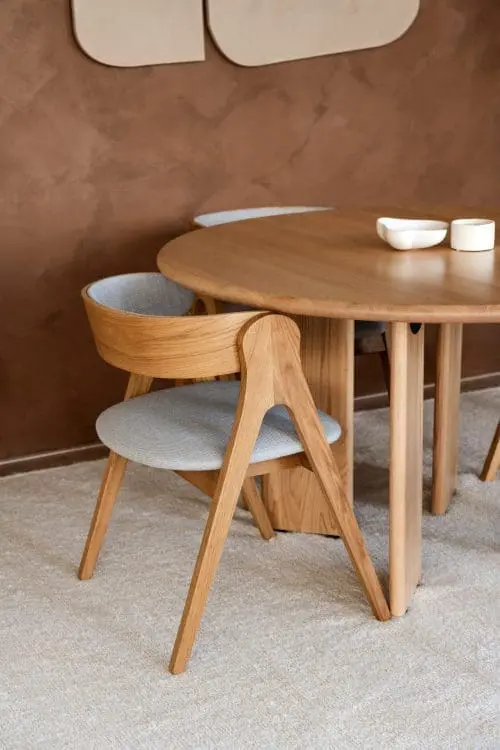
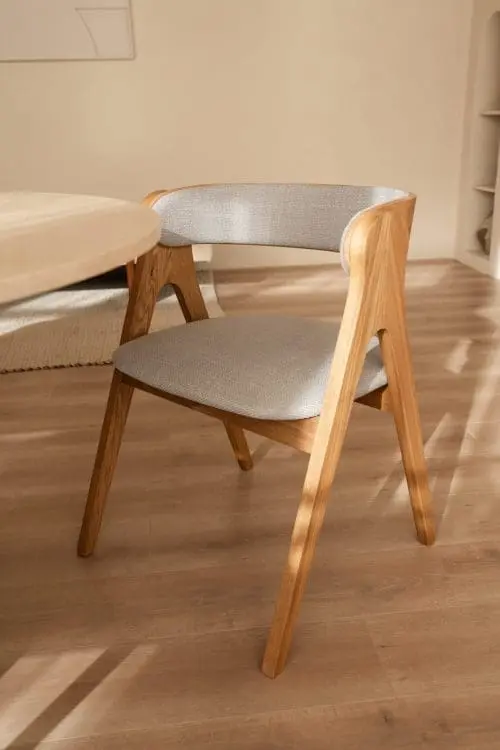
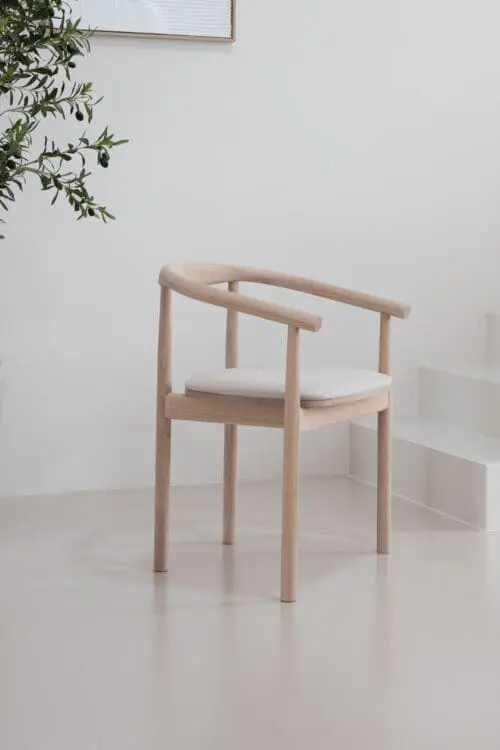
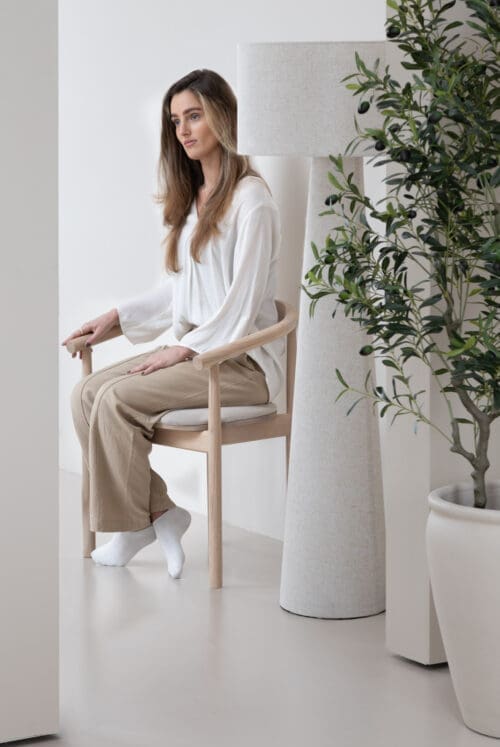
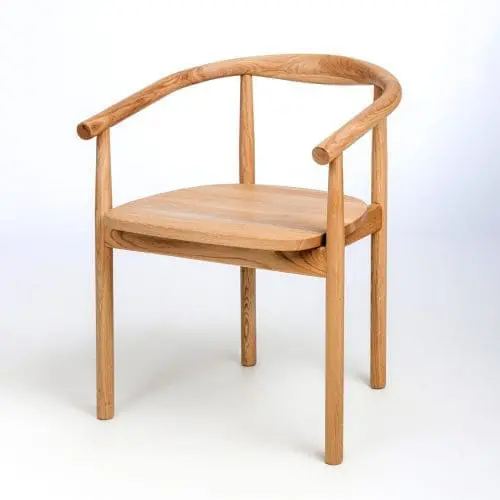
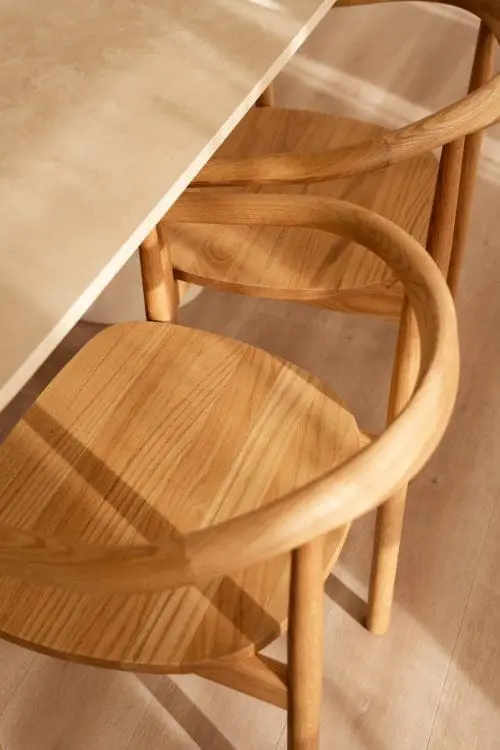
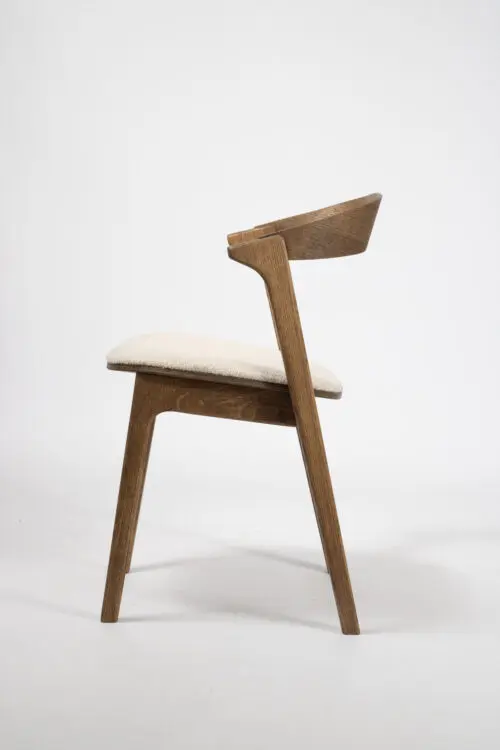
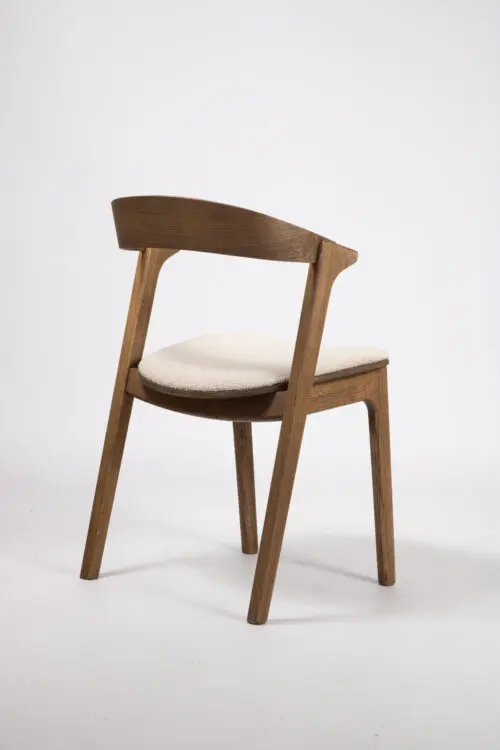
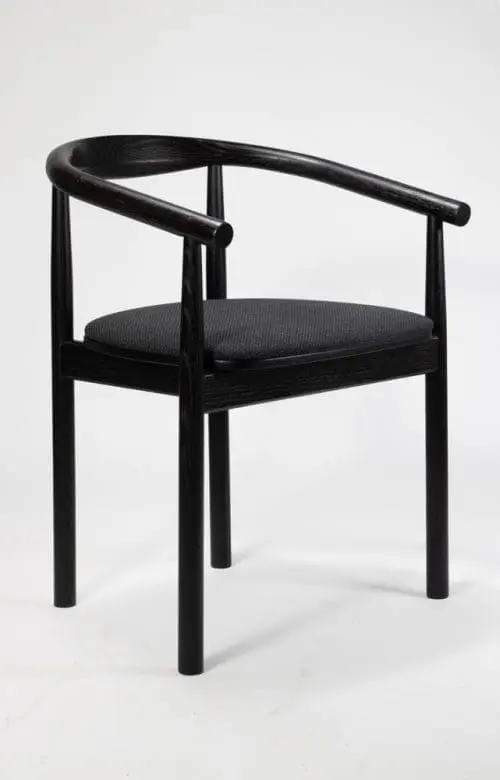
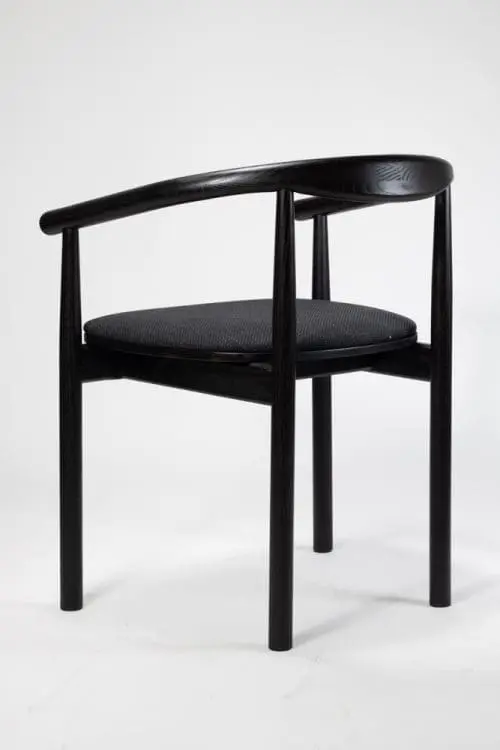
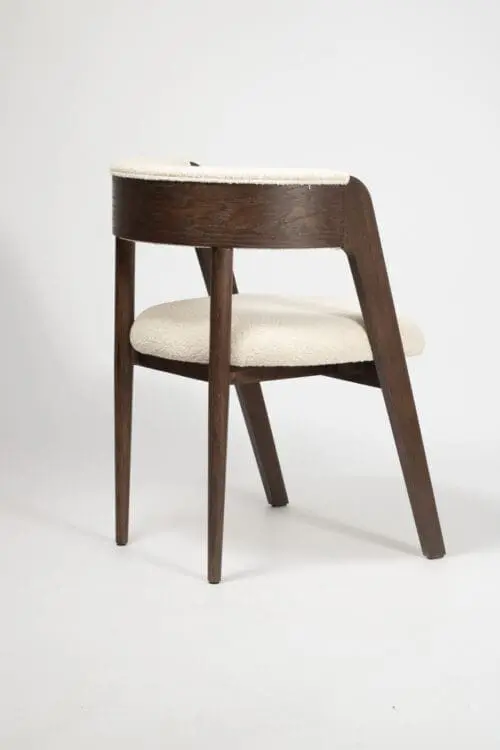
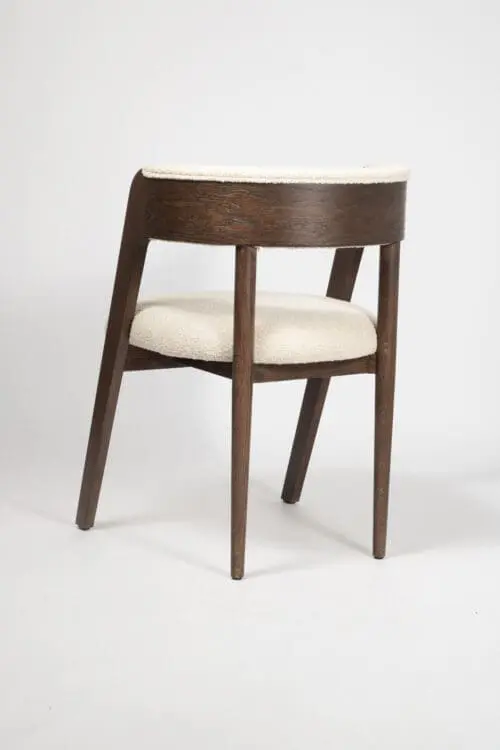
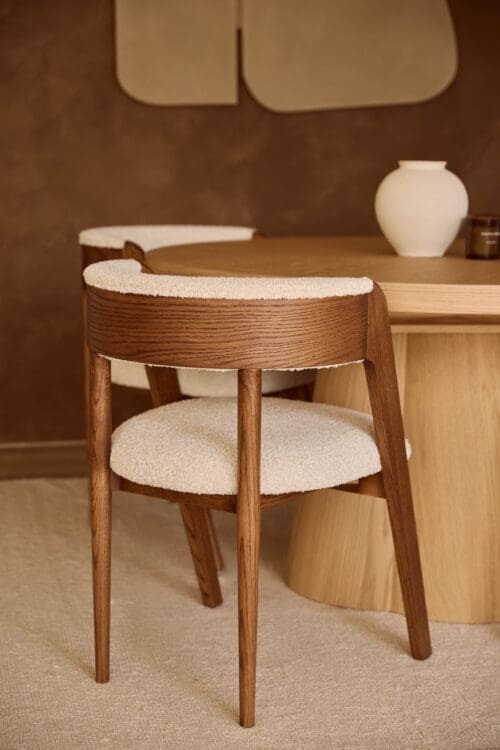
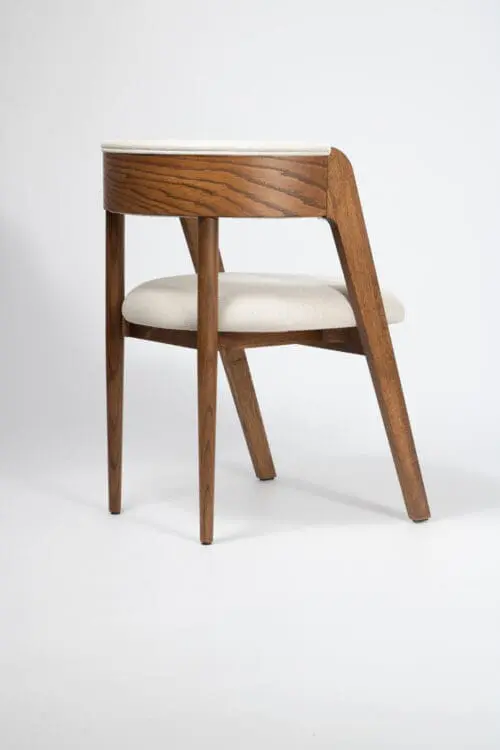
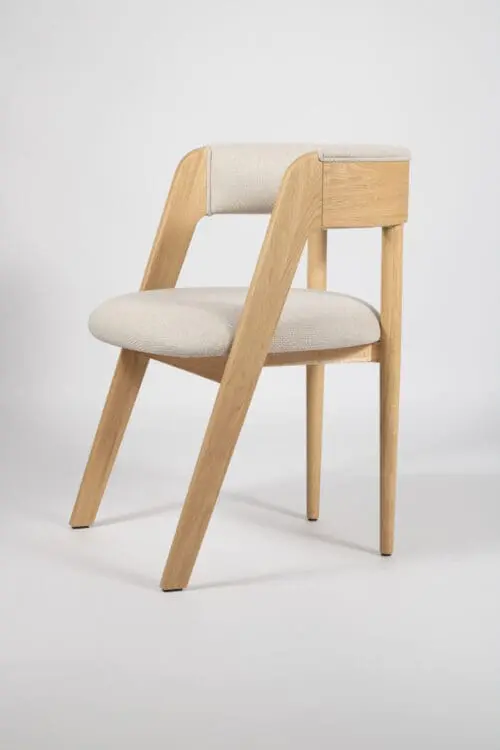
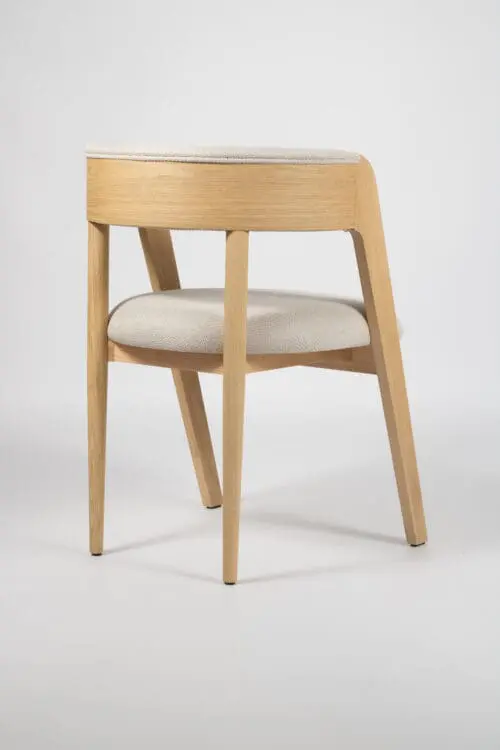
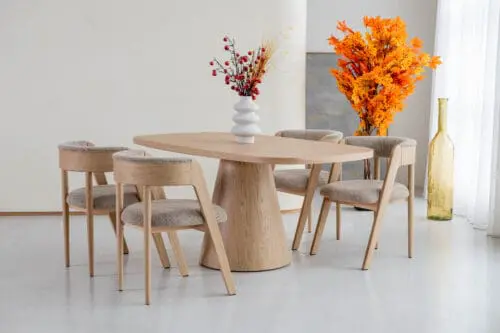
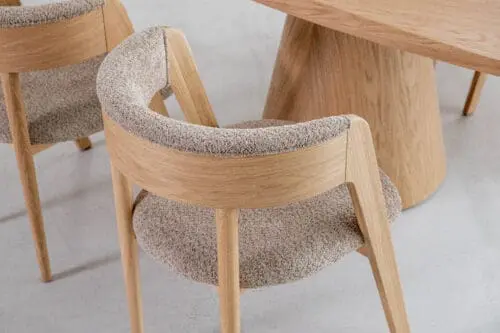
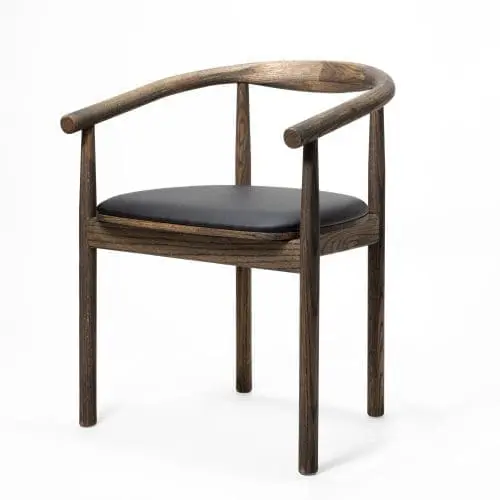
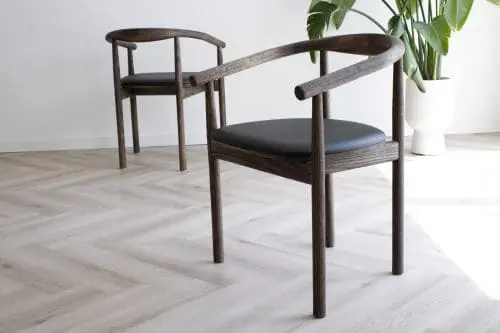
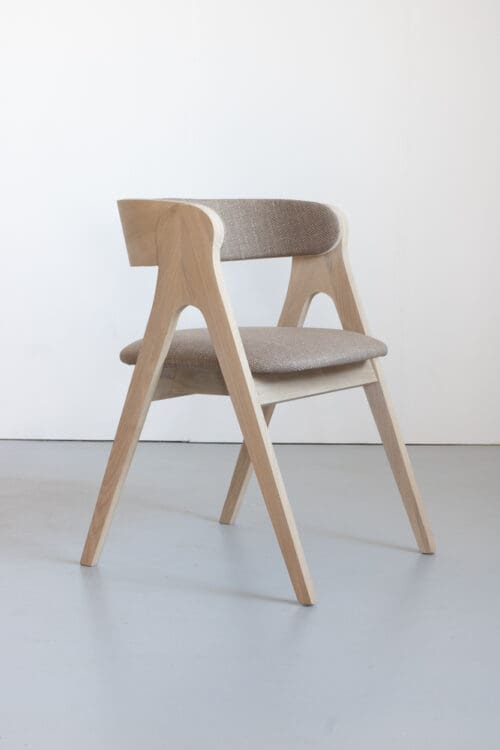
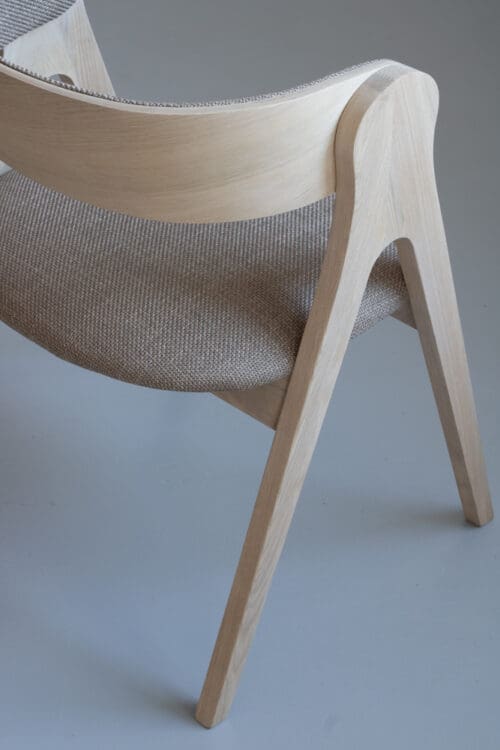
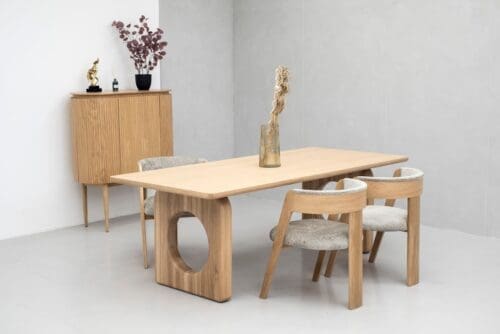
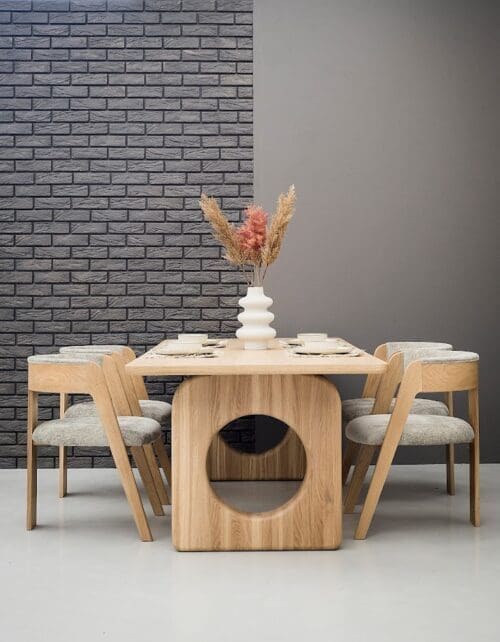
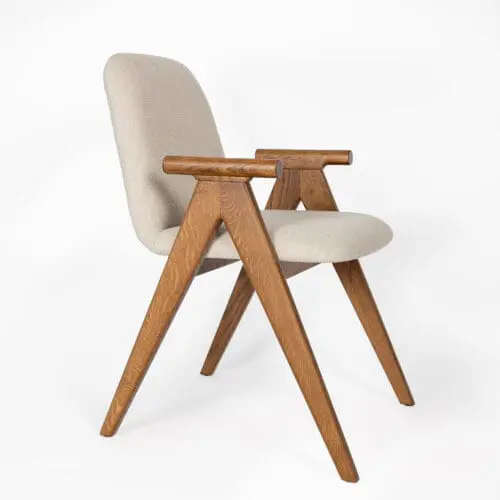
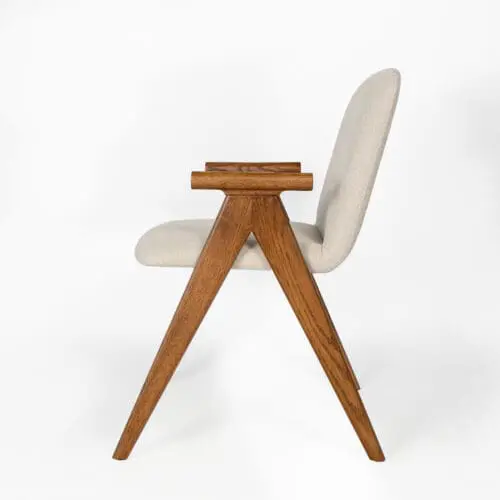
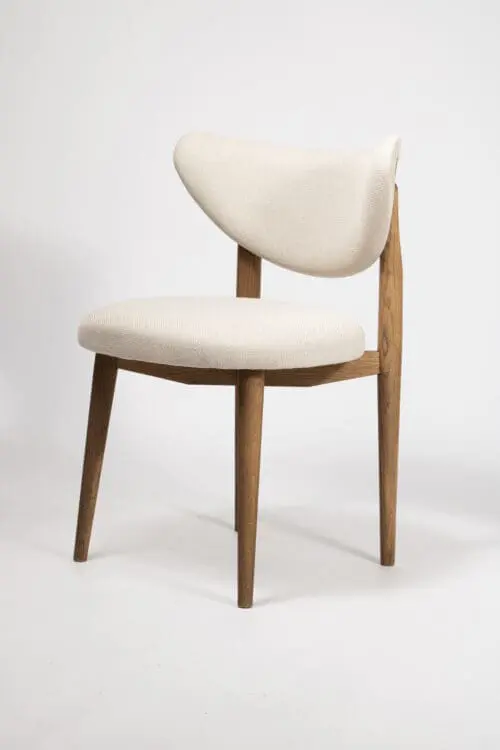
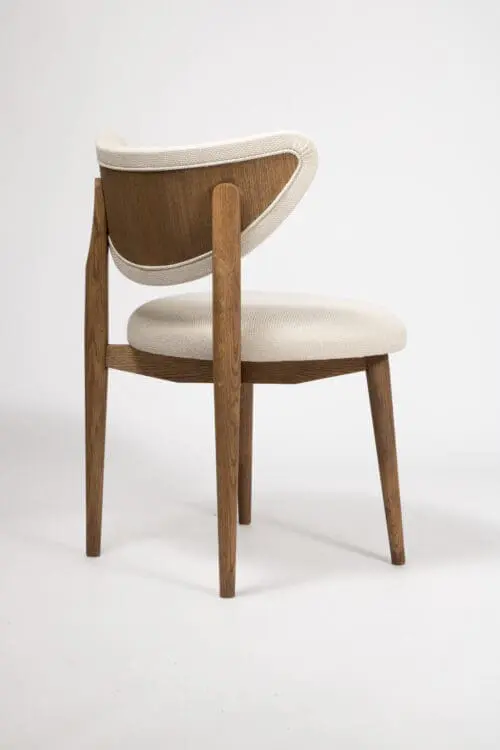
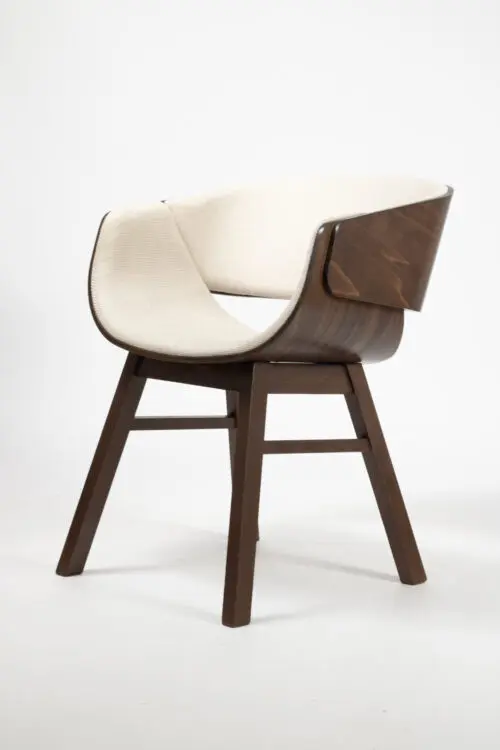
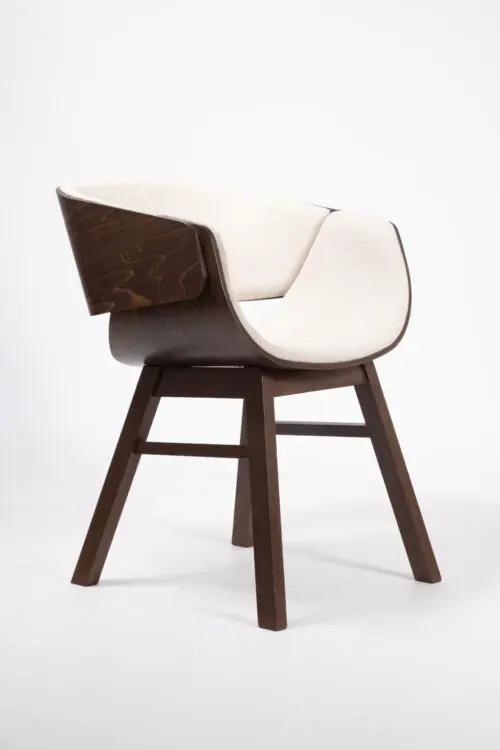
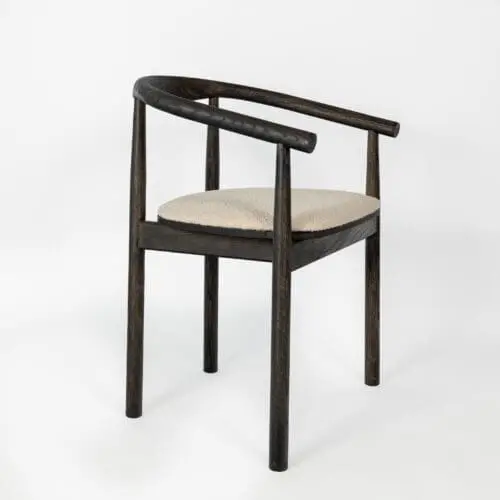
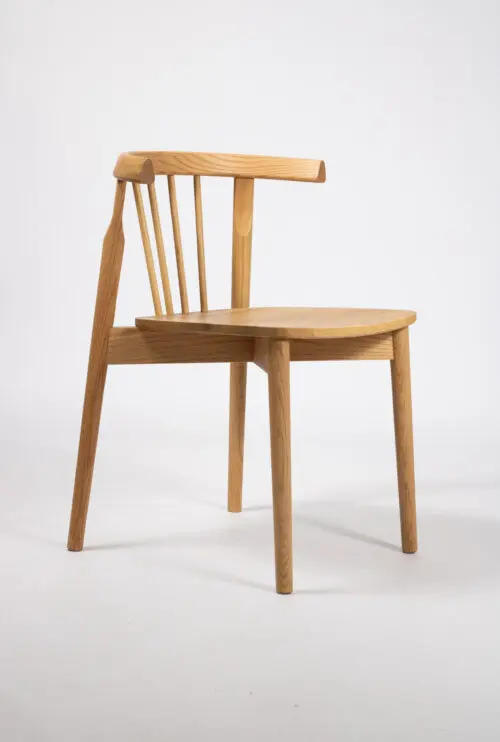
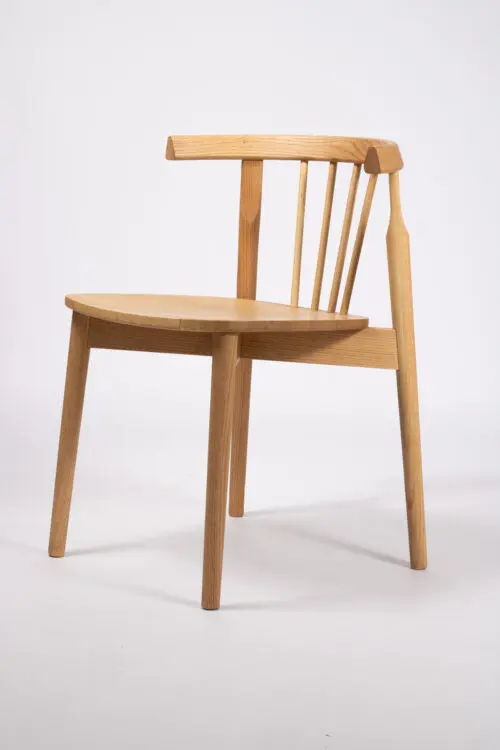
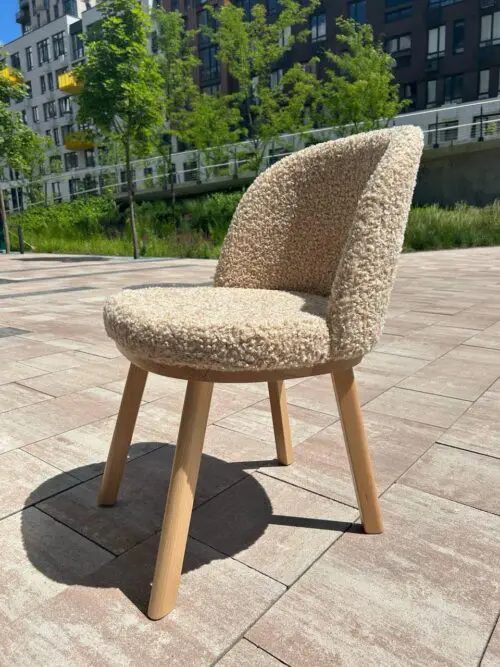
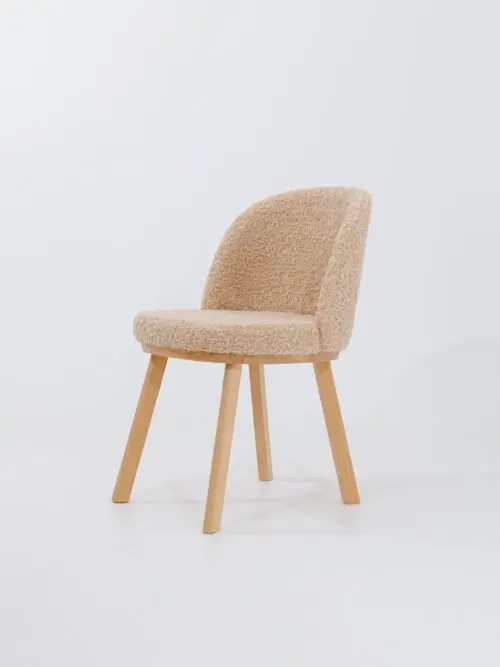
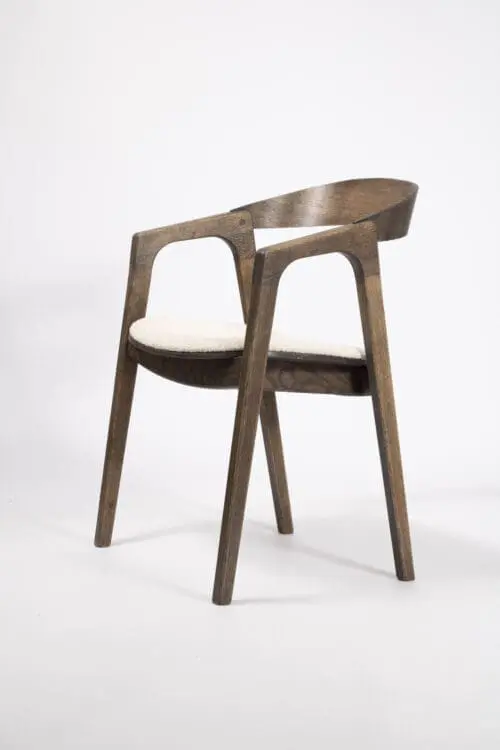
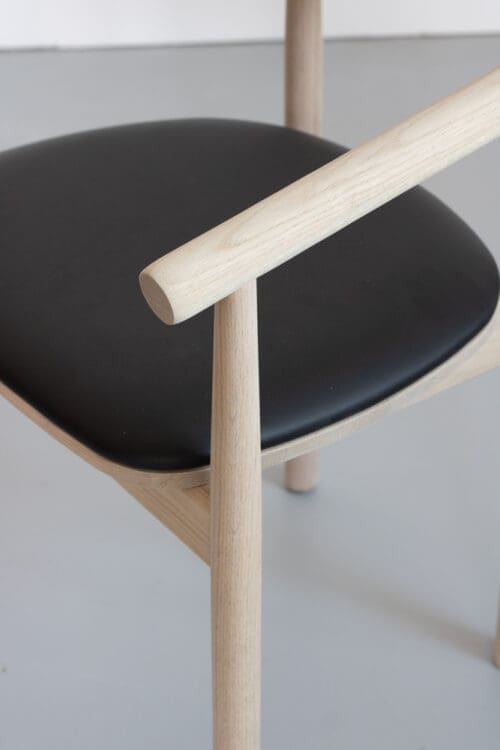
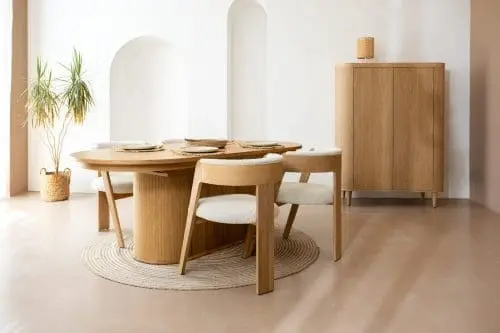
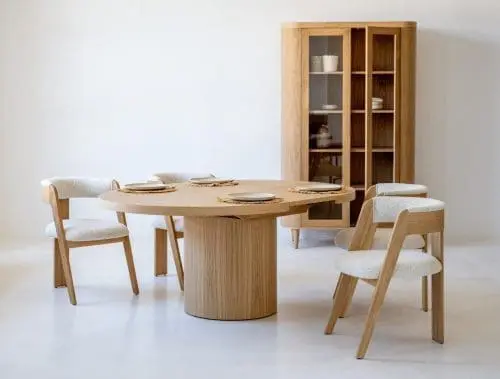
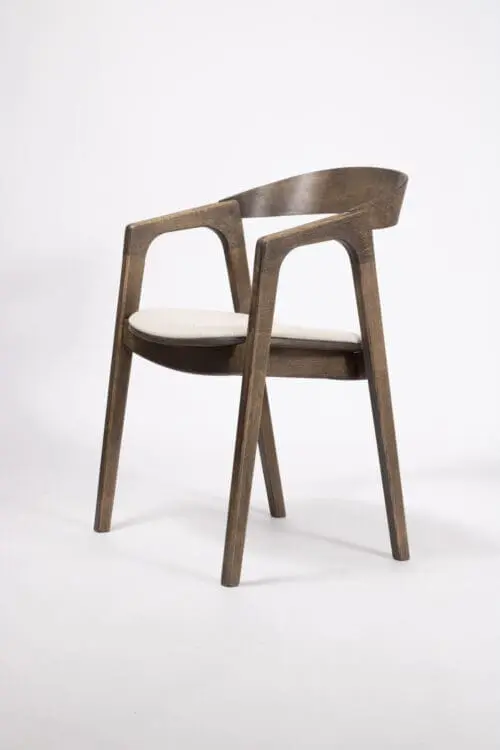
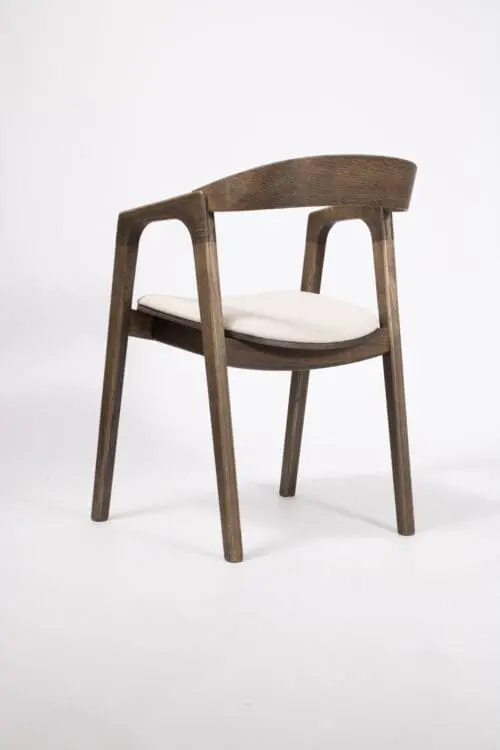
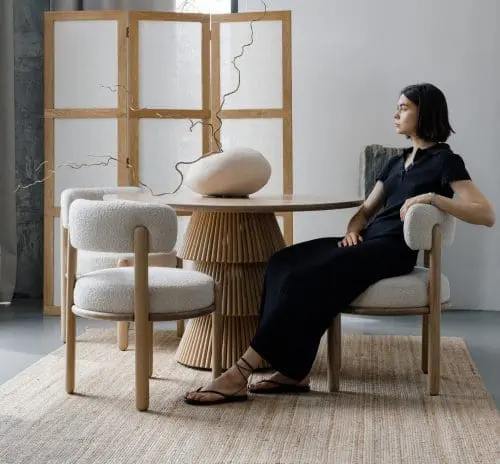
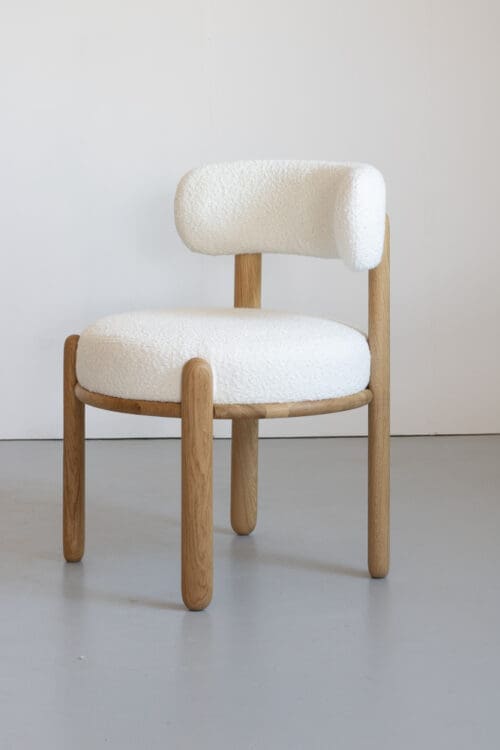
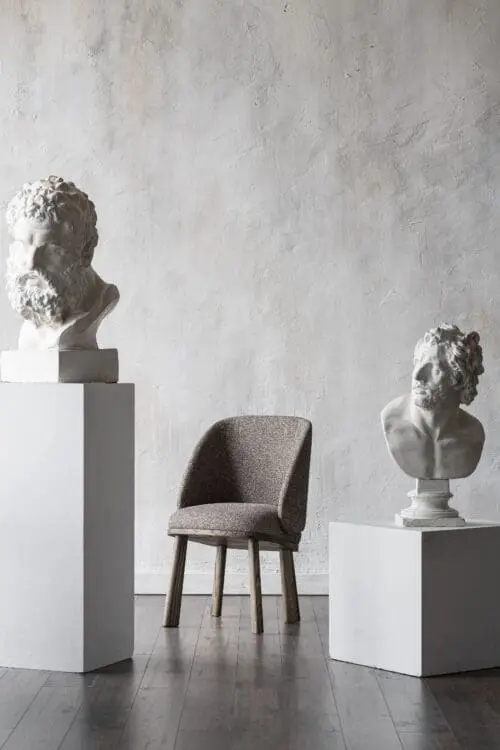
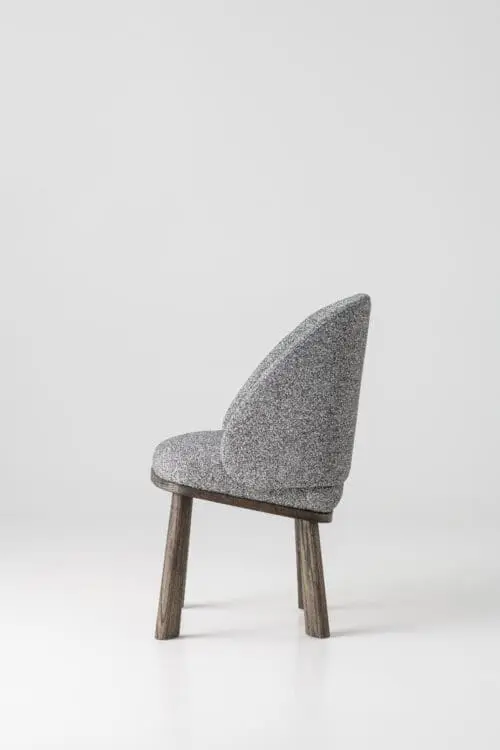
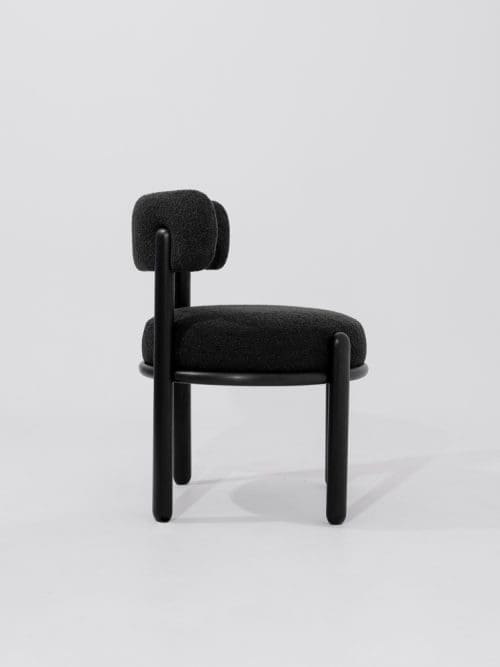
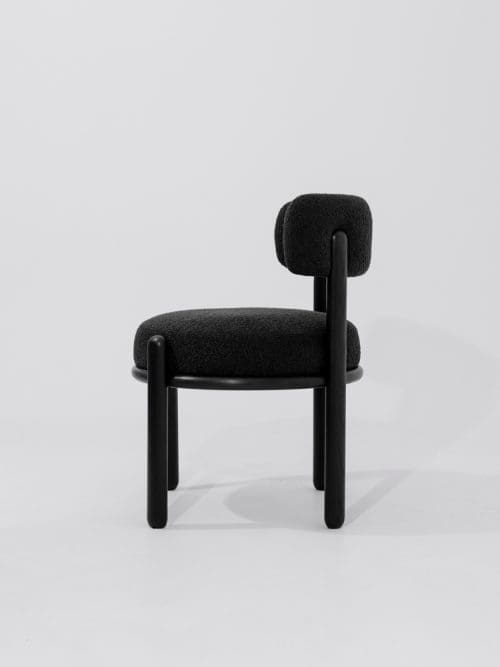
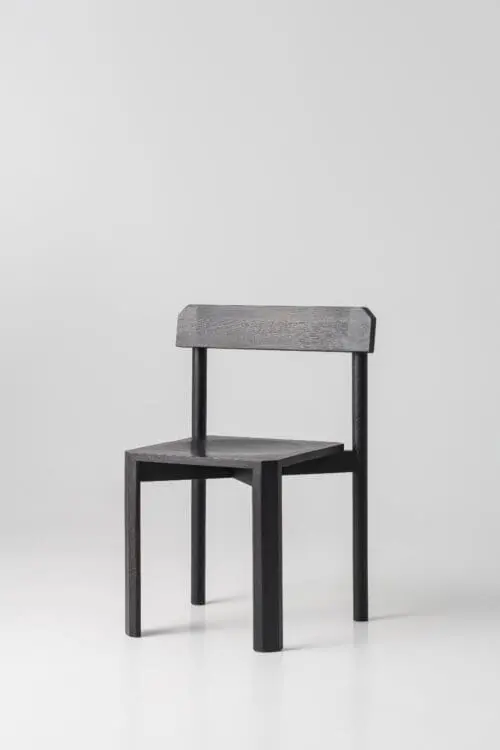
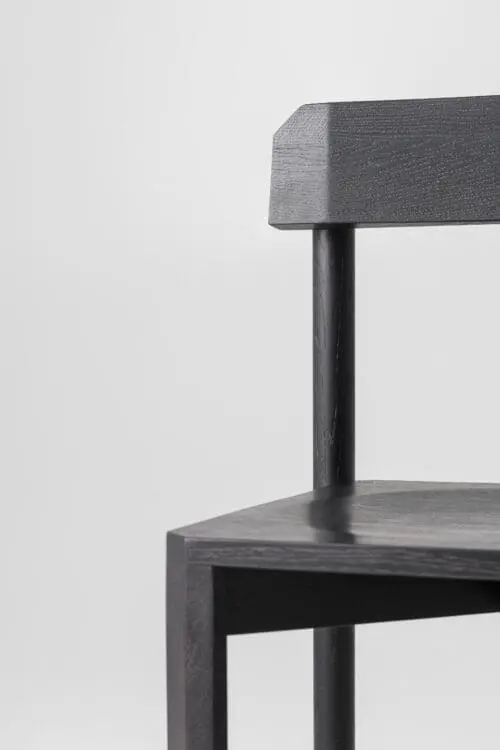
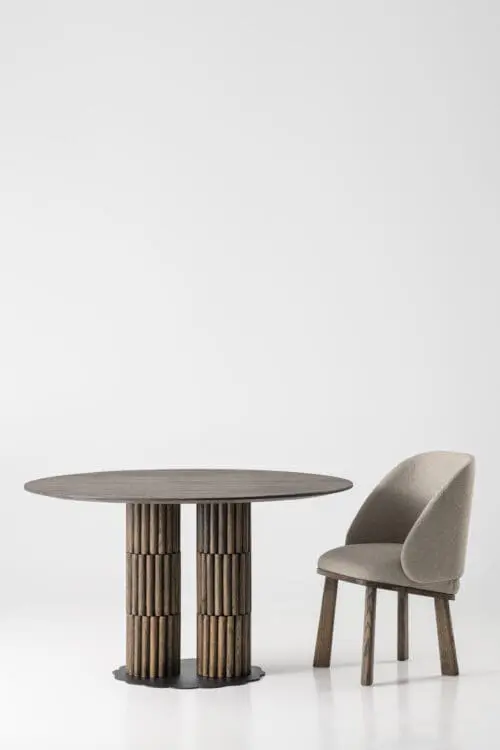
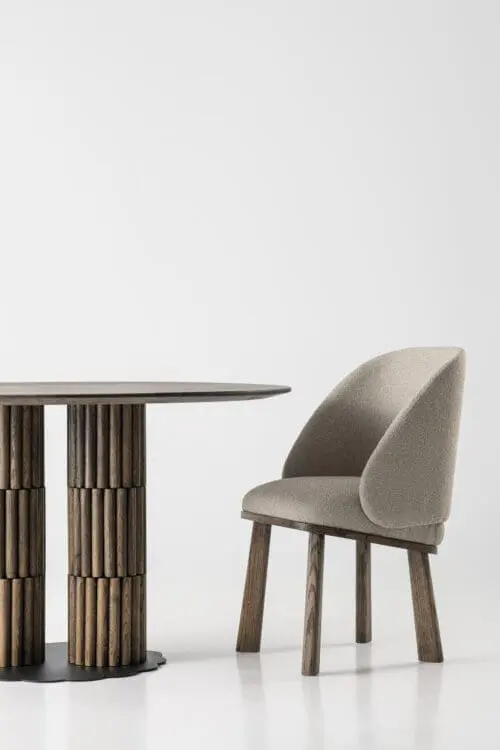
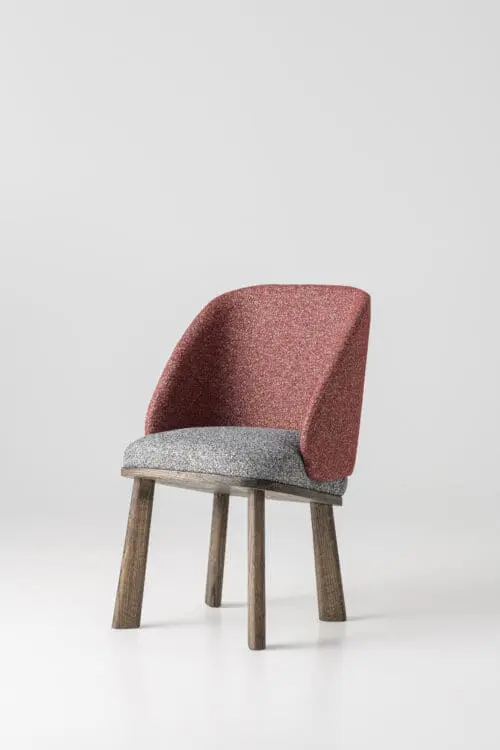
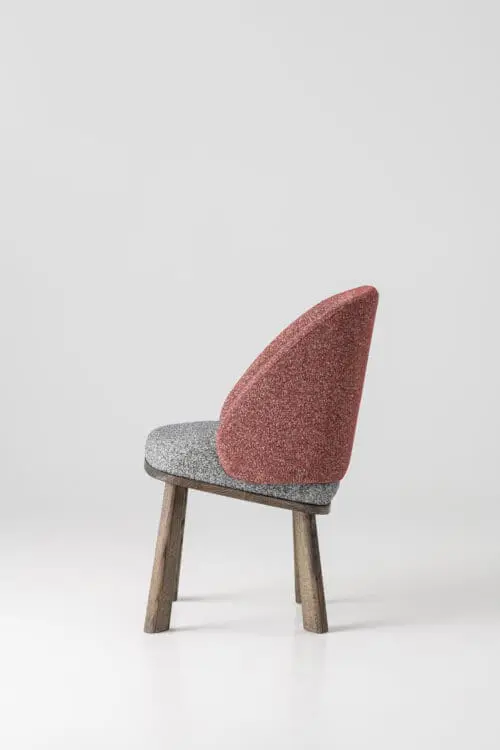
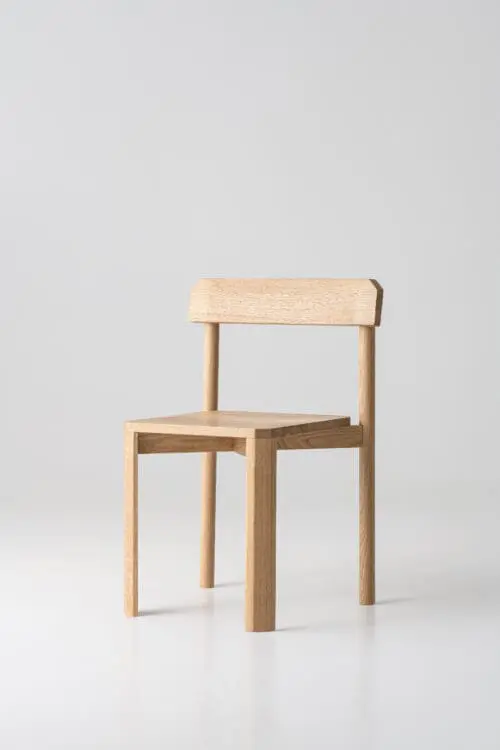
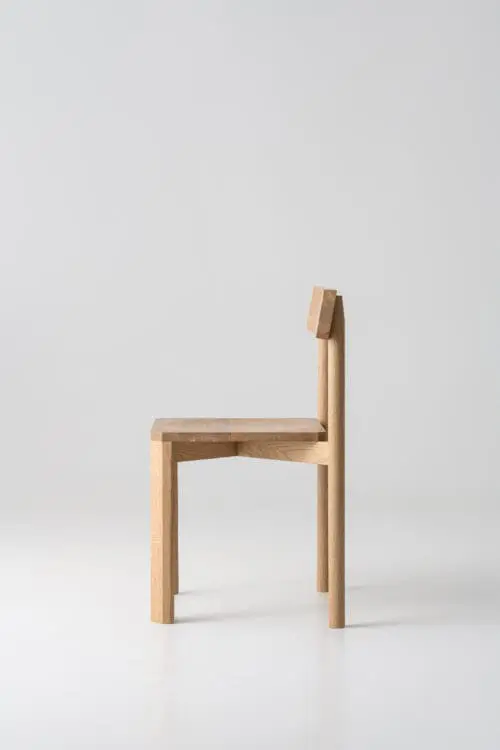
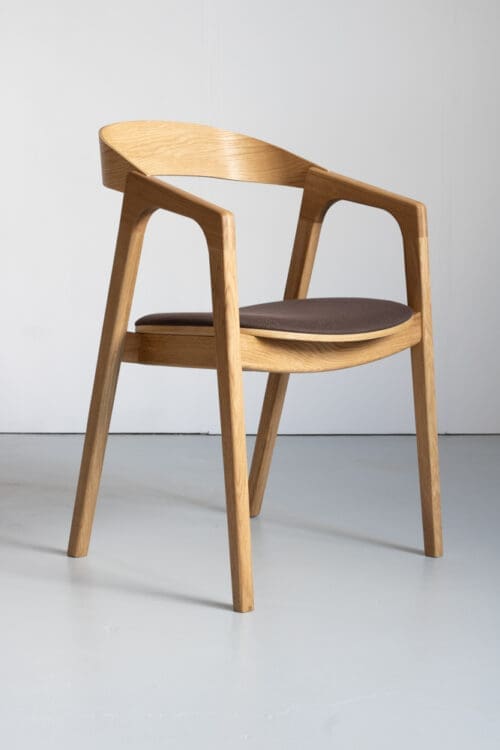
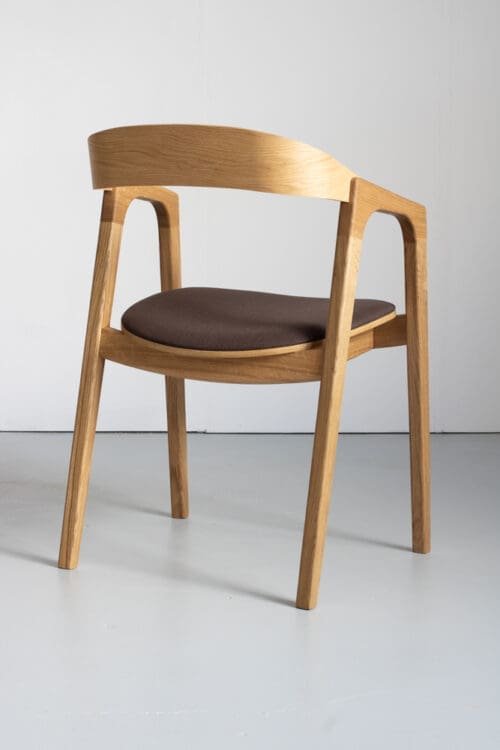
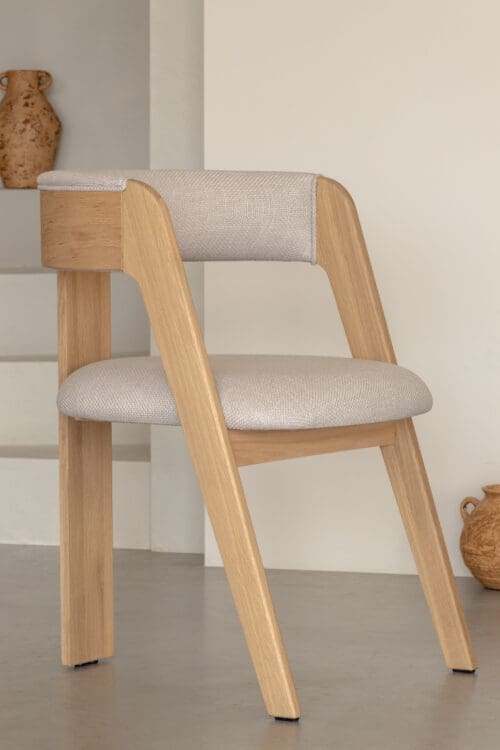
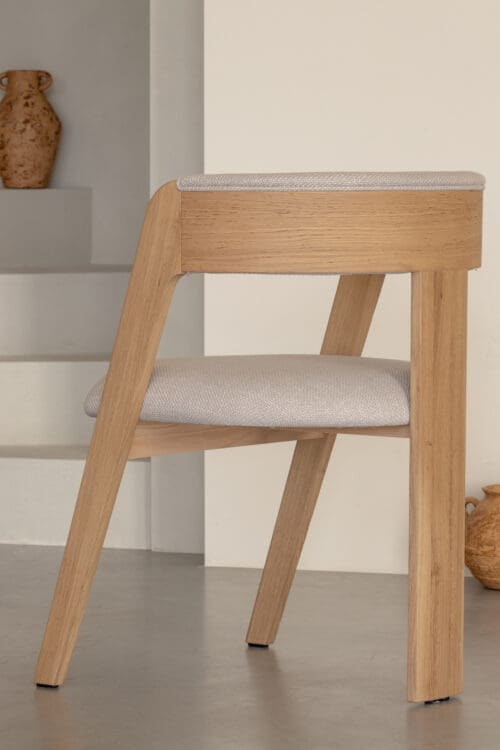
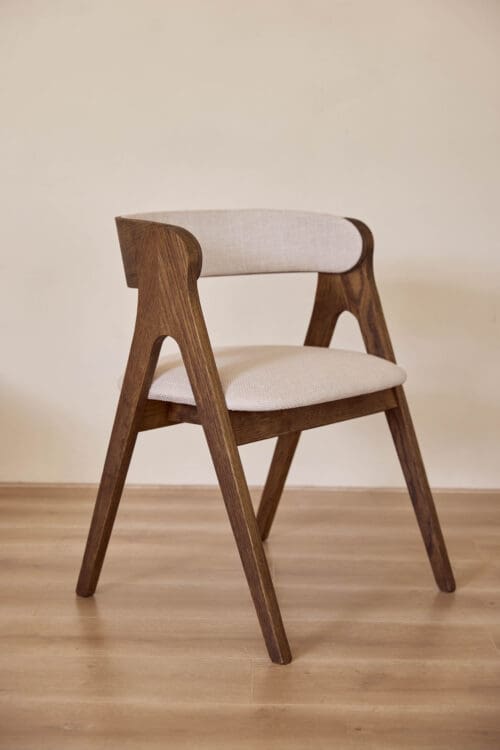
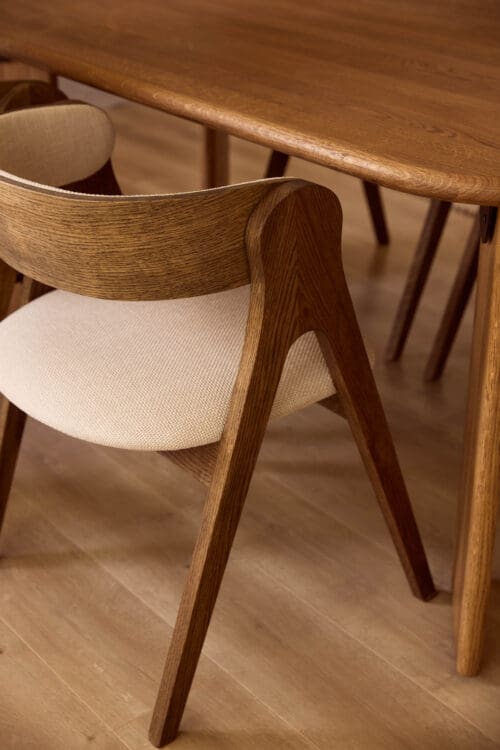
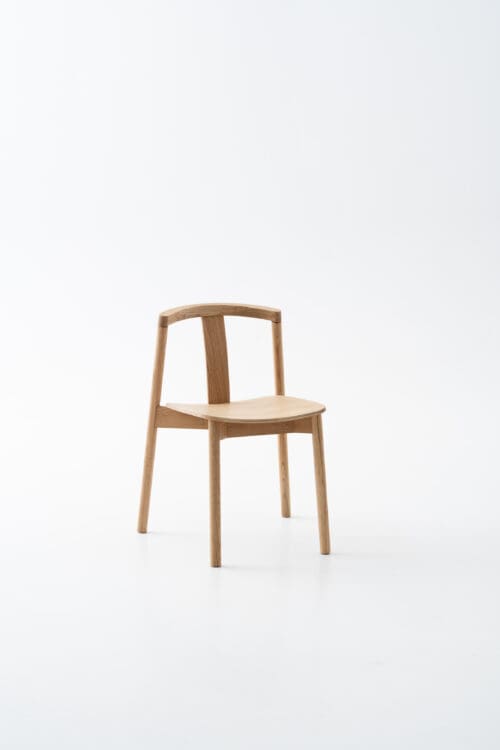
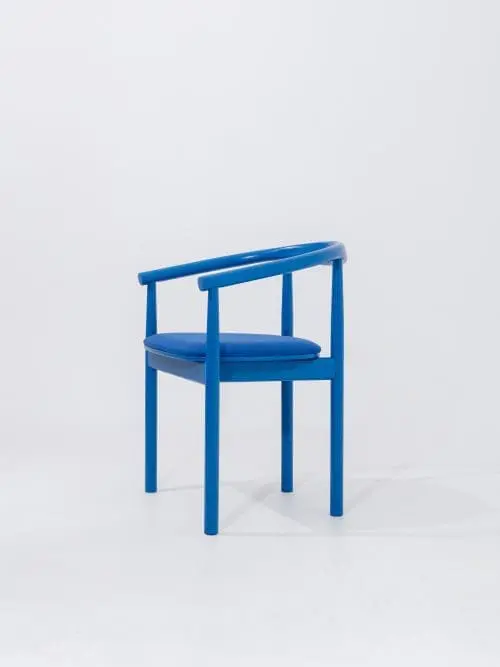
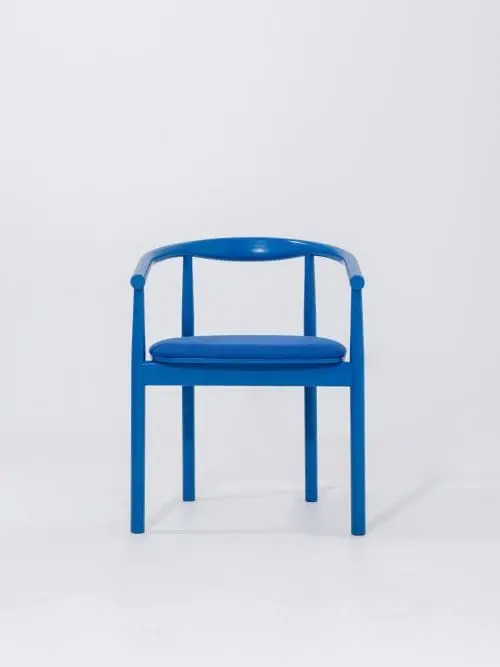
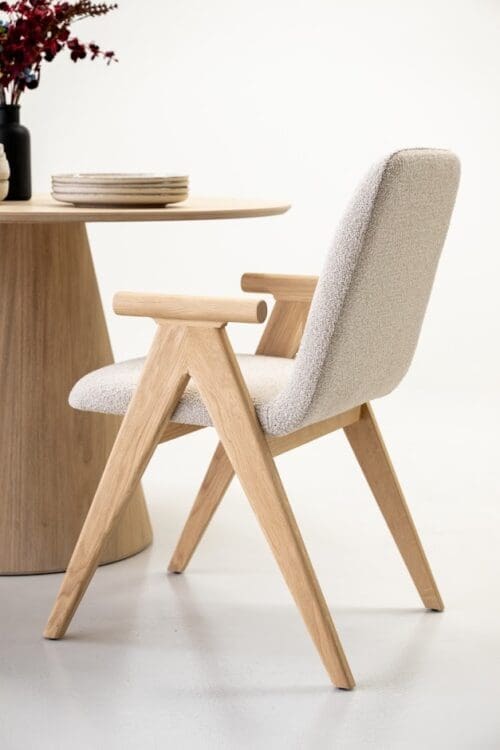
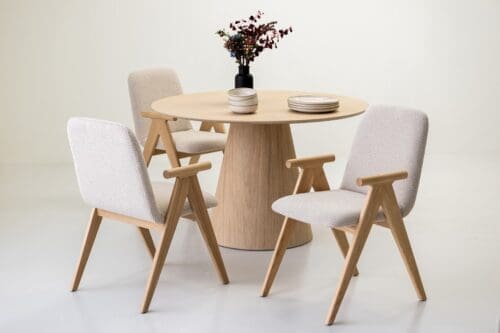
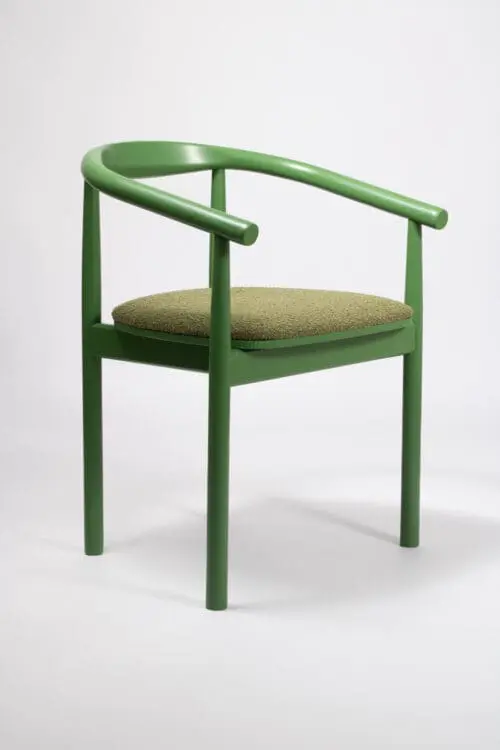
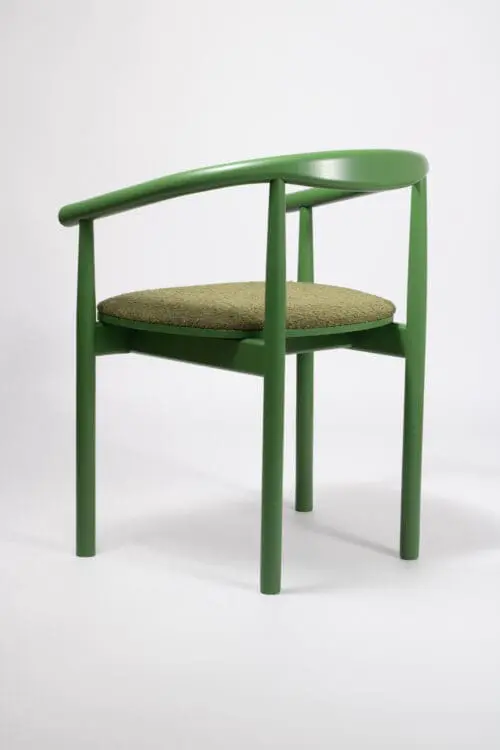
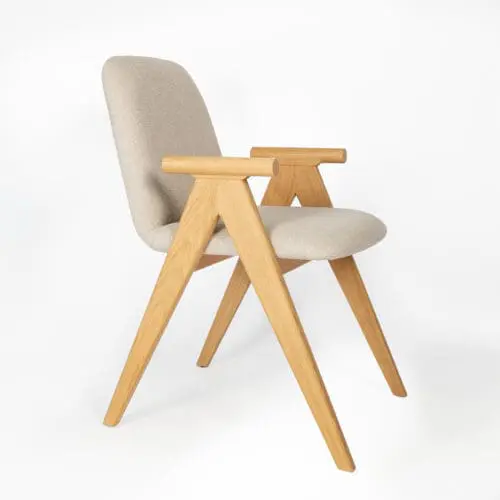
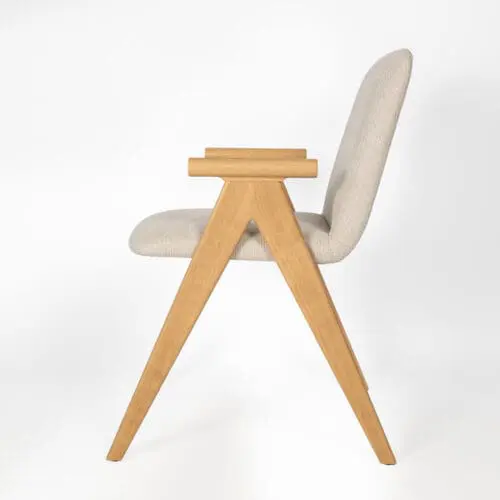
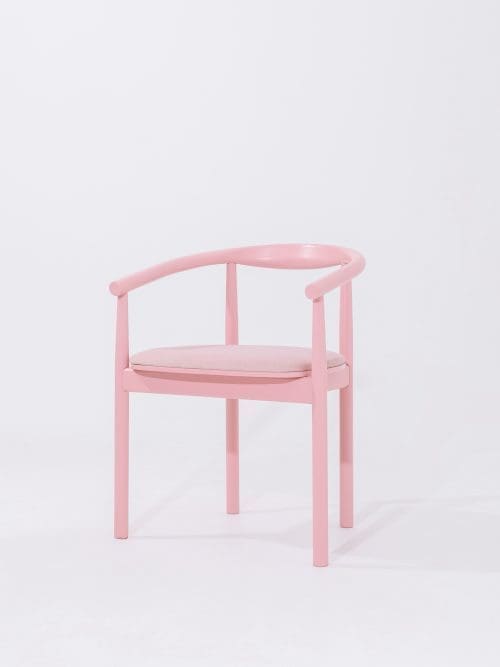
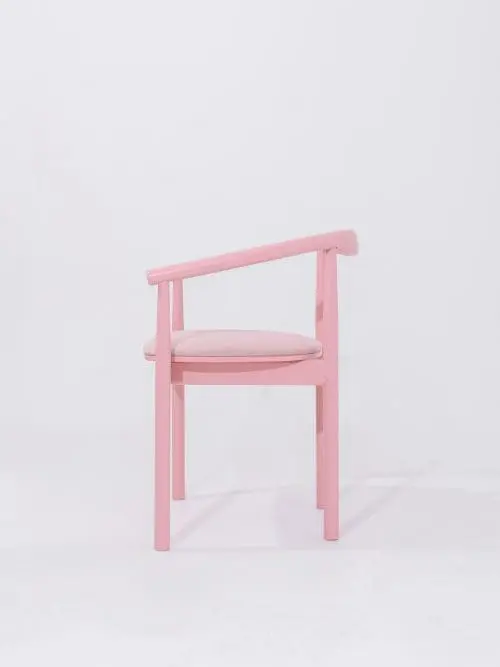
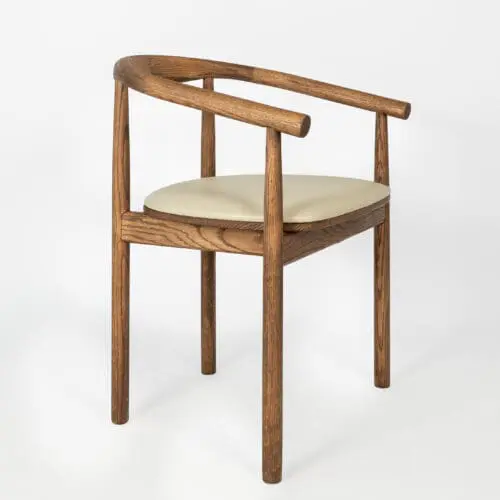
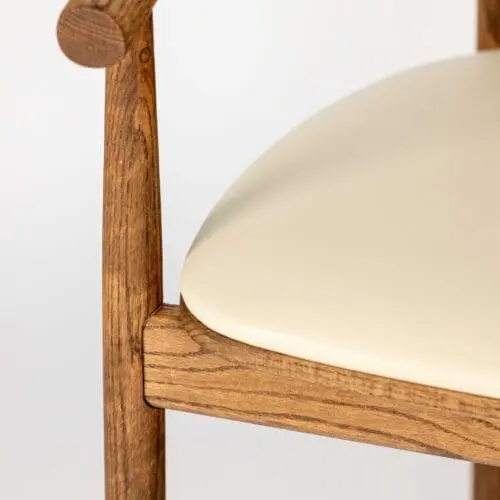
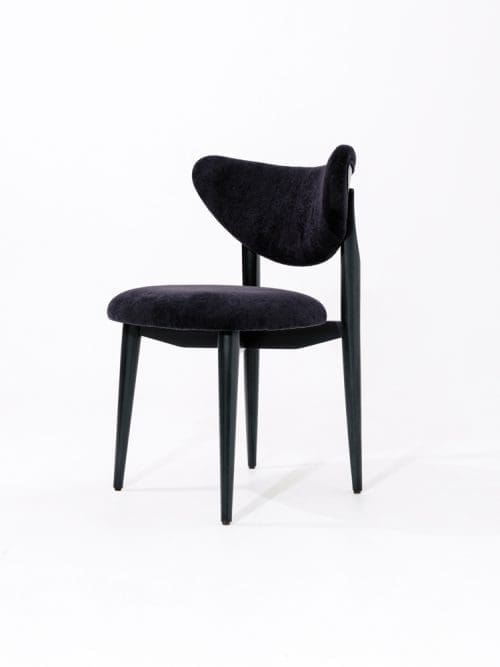
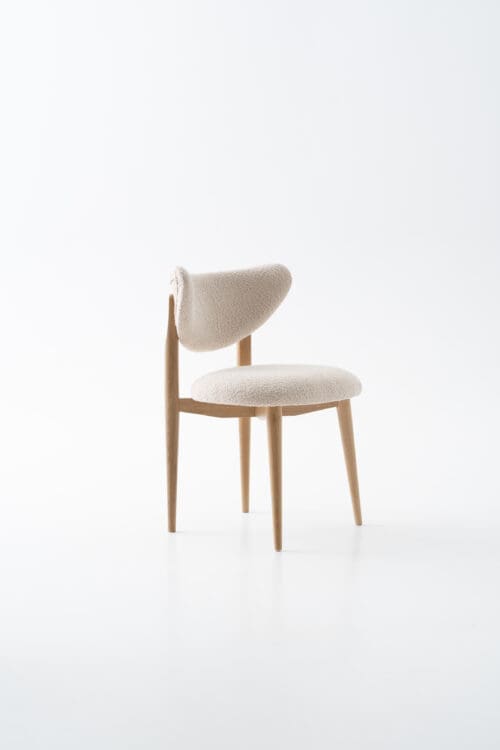
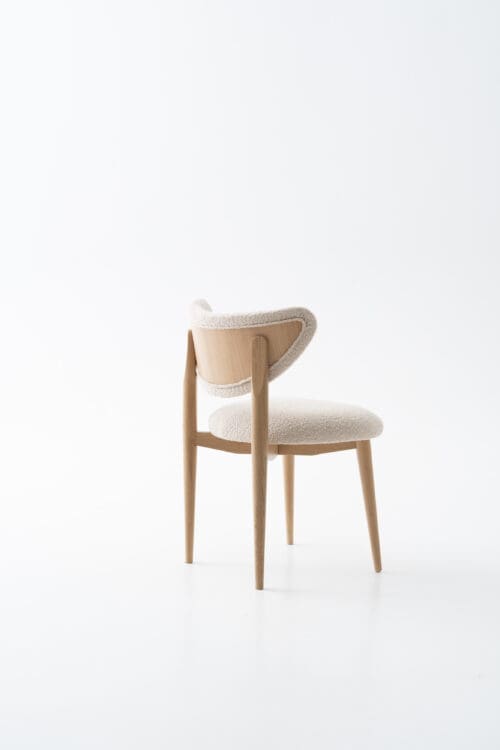
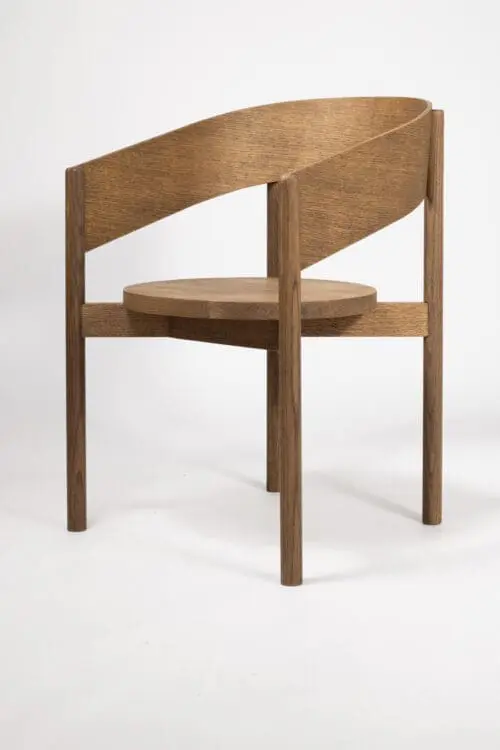
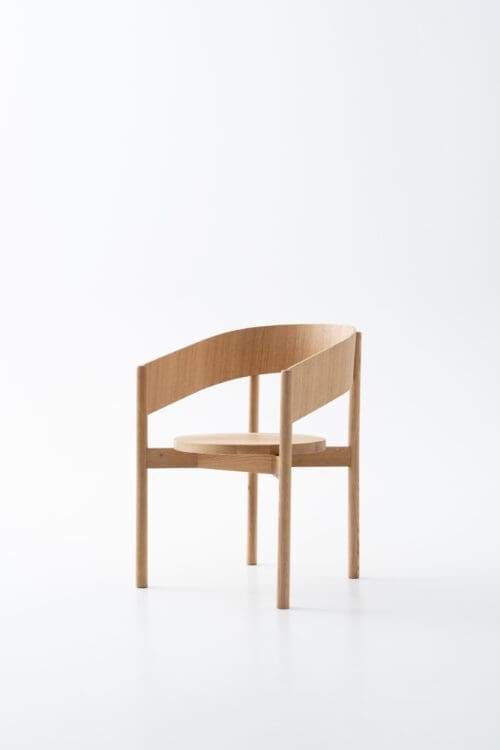
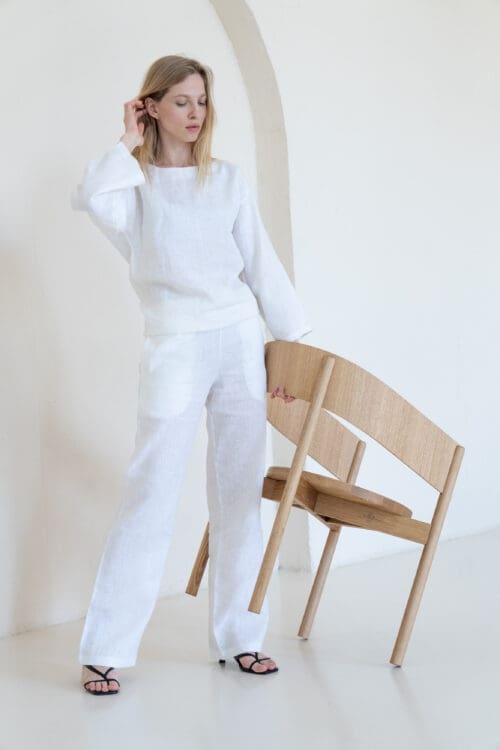
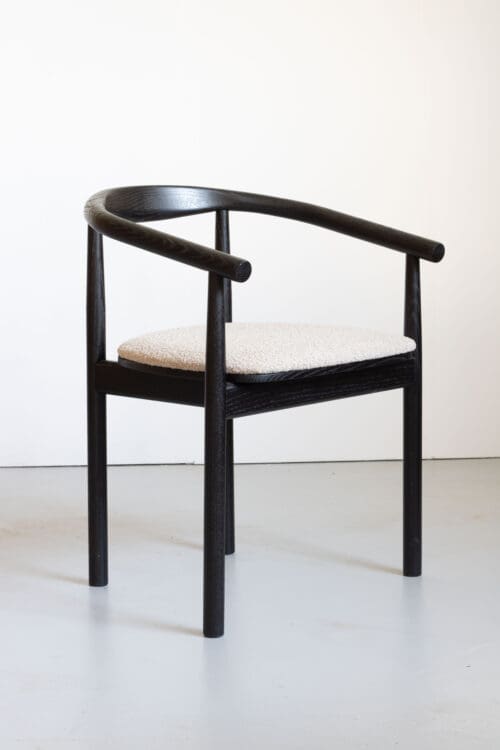
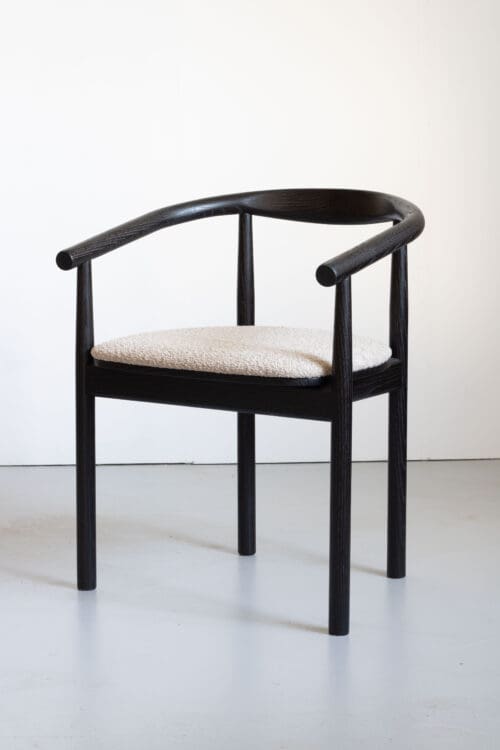
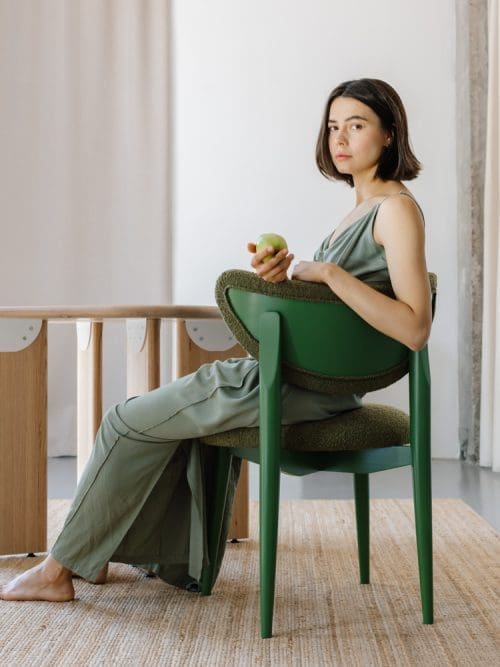
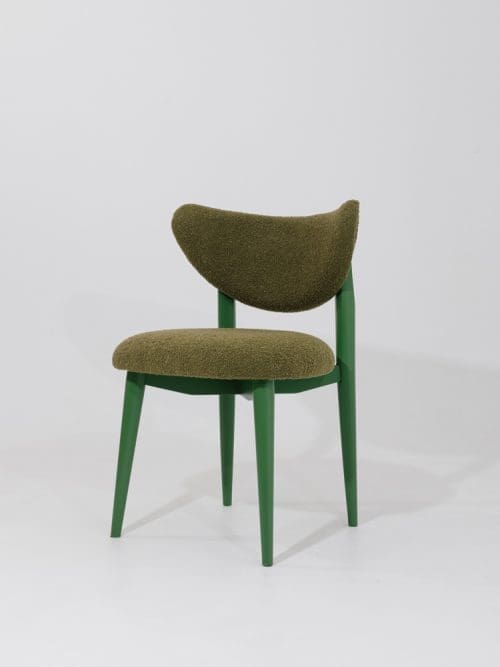
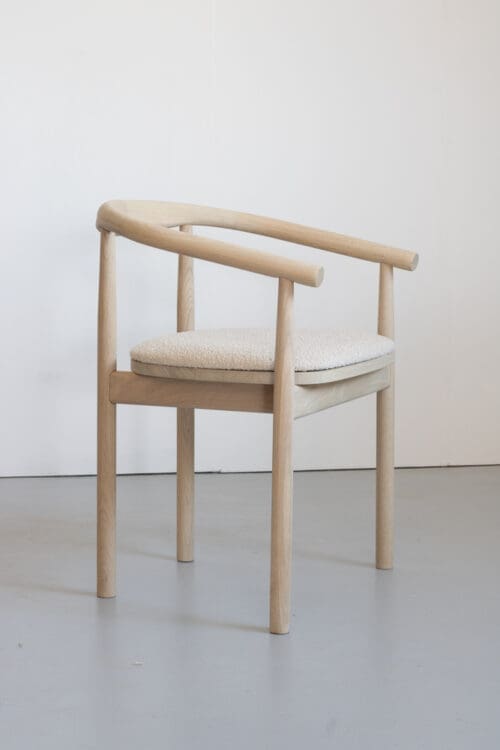
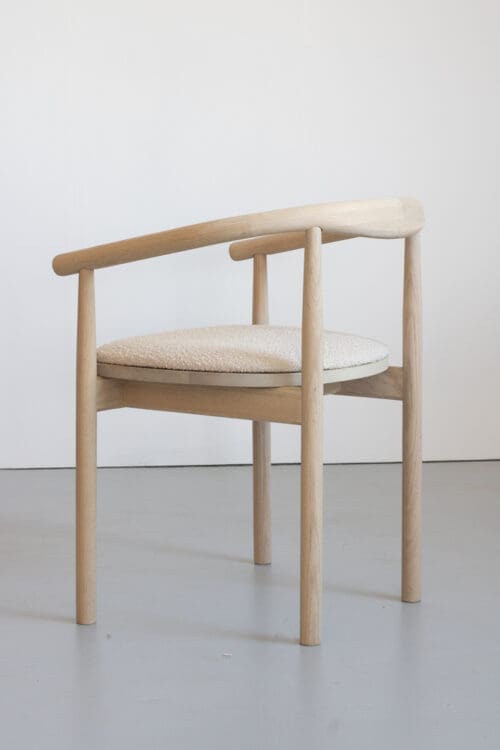
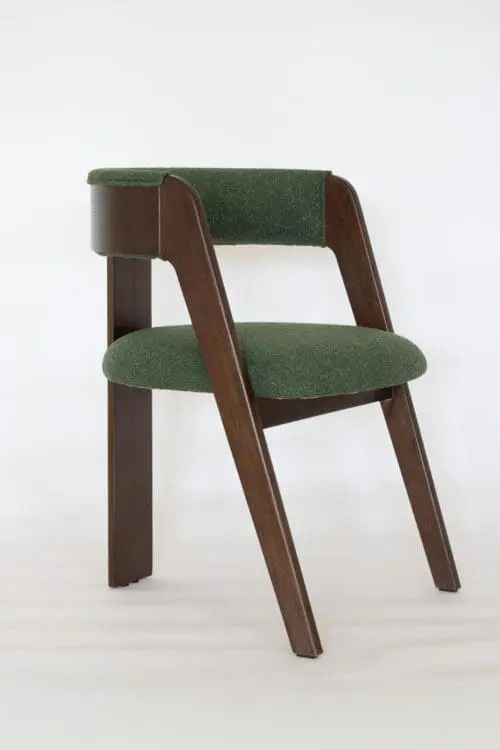
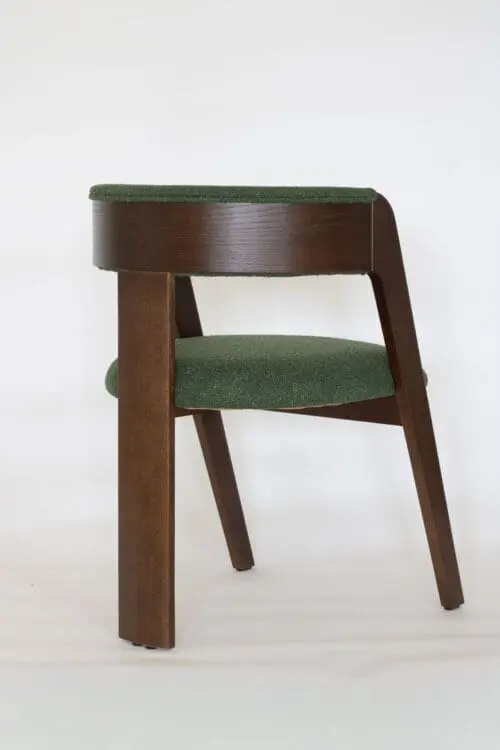
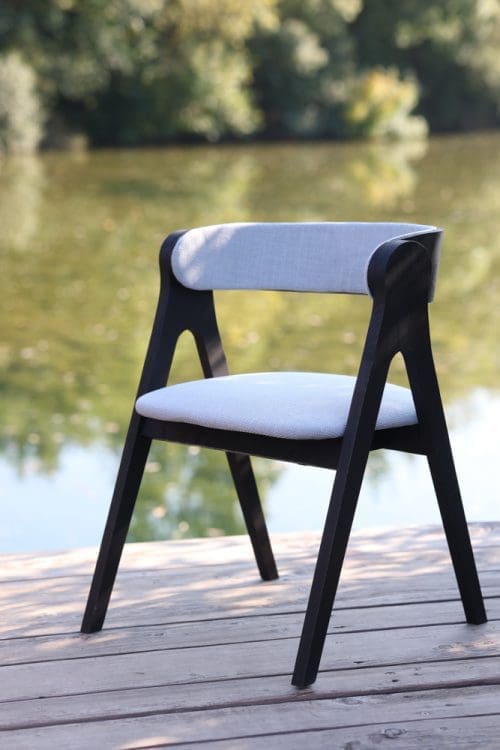
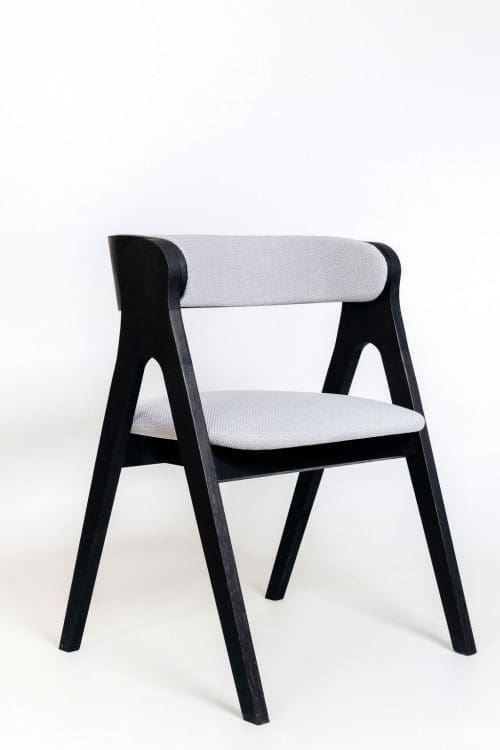
You create a Japandi interior by building tranquility and warmth at the same time. You start with a calm base (colors and layout), then choose a few strong pieces of furniture with simple lines, and bring back the coziness with natural materials and textures such as wood, linen, wool, and ceramics. The goal is minimalist living without it feeling bare. Tranquility in your base. Warmth in your texture.
What exactly is Japandi?
Japandi is the mix of Japanese minimalism and Scandinavian warmth. You see it reflected in furniture that is functional and simple, materials that feel natural, and an interior that looks tidy but remains inviting.
The “zen” feeling comes mainly from space and repetition. It is warmed by texture, wood tones, and soft light, not by lots of decor or bright colors.
What are the basic rules of Japandi?
The basic rules of Japandi are simple: choose less, but better. Give furniture space, work with natural materials, and keep your palette calm so that your interior remains a cohesive whole.
In practice, this means that you first look at the layout. Free walkways, furniture not crammed together, and preferably one good statement piece of furniture rather than several mediocre ones. Only then do you start fine-tuning with fabric, lighting, and accessories.
Japandi do’s & don’ts
This is a handy reality check. If you’re unsure if something is Japandi, see if it adds more tranquility than noise.
| Do |
Don’t |
| Calm base (warm white, sand, taupe, greige). |
Cool white or cool gray as the main tone. |
| Natural, matte materials (wood, linen, wool, ceramics). |
Lots of gloss or “shiny” accessories. |
| One main wood tone for large furniture. |
Too many wood tones mixed together. |
| Fewer pieces of furniture, more space around them. |
Filling the room “because it fits.” |
| Warmth through texture and soft light. |
Keeping everything sleek and smooth, plus bright light. |
| Closed storage and calm surfaces. |
Open shelves full of loose items. |
Which colors suit Japandi?
Calm, nature-like colors suit Japandi. Think of warm neutrals as a base and one soft accent color for depth. This way it stays calm, but not boring.
- Warm white, cream, off-white as a light base on walls and large surfaces.
- Sand, beige, taupe, and greige as the “body” for your interior (rug, curtains, sofa).
- Light warm gray is possible, as long as it doesn’t become cool or bluish.
- Sage or olive green as a soft natural accent.
- Clay, terracotta, or rust for a warmer, earthy twist.
- Charcoal, deep brown, or soft black only in small doses for contrast.
If you want a safe Japandi combination quickly: choose a warm white shade or cream on the wall, combine with sand or taupe in larger areas, and add one accent such as sage, olive, or rust in small doses. Avoid too many cool gray tones, as they quickly pull the whole look toward cold.
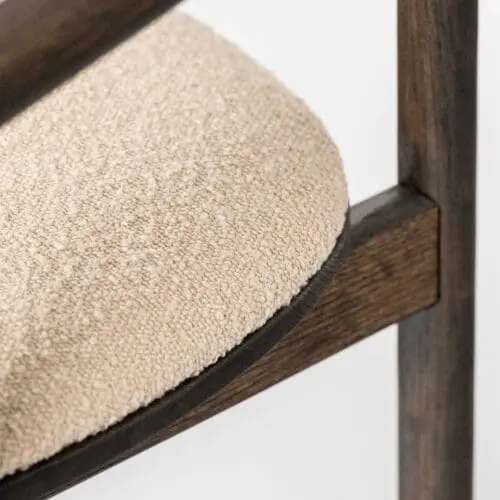
In doubt? Keep your palette smaller and make it richer with texture. Linen curtains, a wool rug, or bouclé on a chair feels Japandi much faster than adding an extra color.
Which wood tones suit Japandi?
Japandi and wood belong together. The best wood tones are often between light oak and warm dark wood. The most important rule is not which tone you choose, but that you don’t mix everything together.
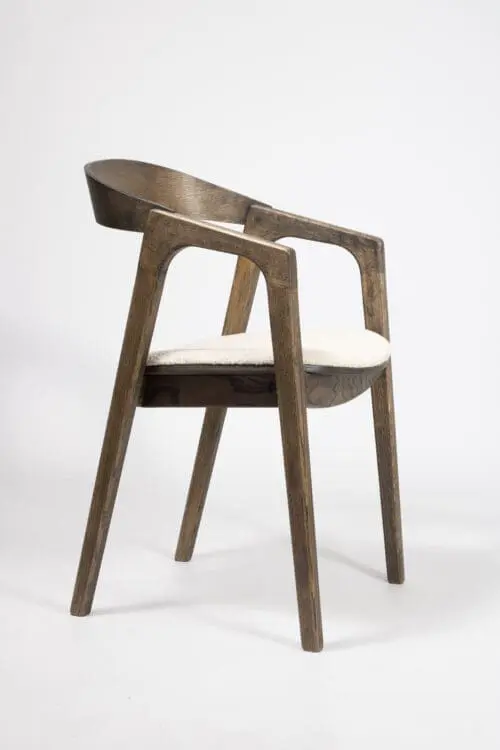
A light wood tone gives air and a Scandinavian feel. Medium brown or lightly smoked wood brings more depth without becoming heavy. Dark wood works best as an accent, for example, one piece of furniture or a detail, so that it remains calm.
Practical: choose one main wood tone for your large furniture and keep it consistent. You then add variation with fabric, ceramics, and lighting.
Which furniture is best to start with?
Start with the anchors of the room: the furniture that gets the most attention and defines the style. If those are right, the rest will naturally feel calmer.
- First, choose your biggest eye-catcher: dining table or sofa. This immediately sets the tone.
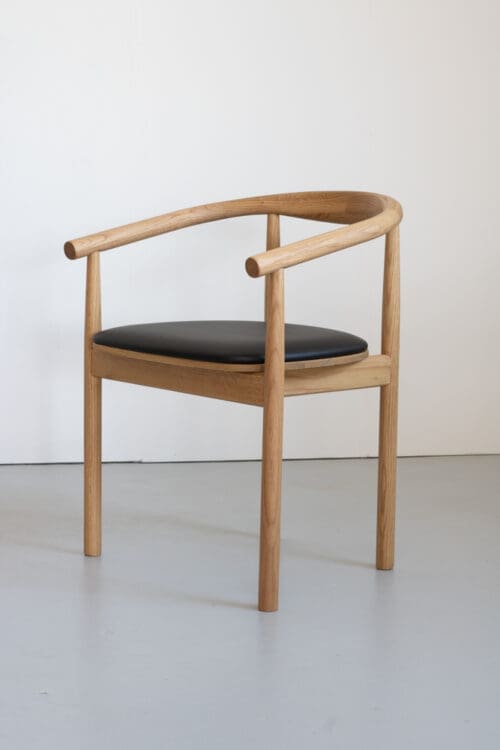
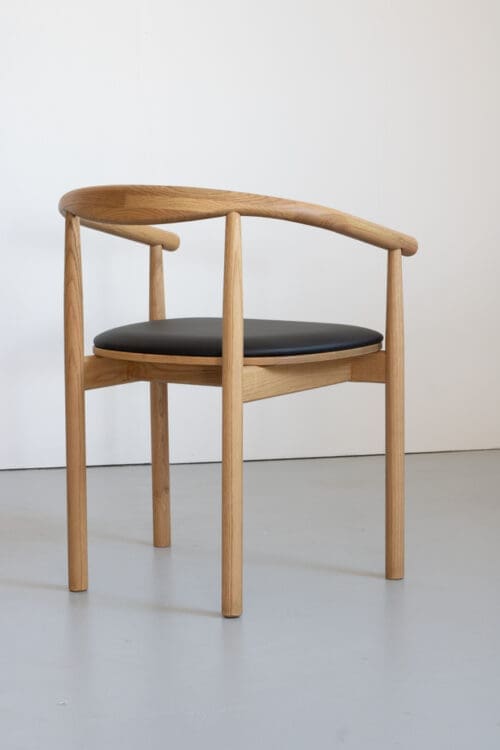
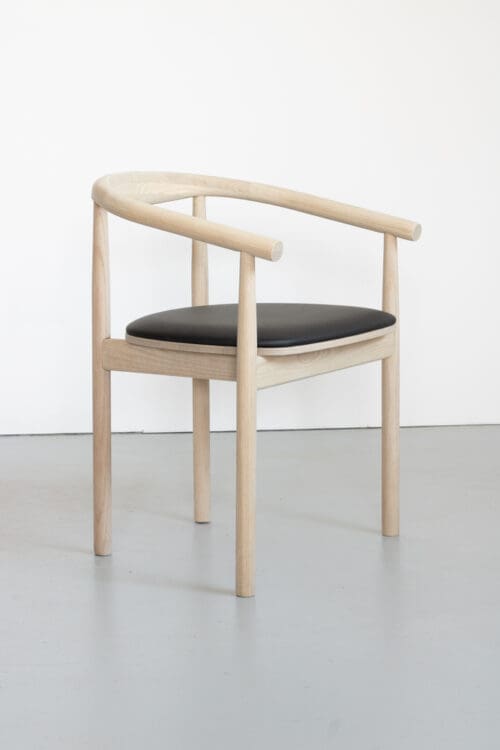
- Then add “comfort-warmth” with chairs or armchairs in textured fabric.
- Make it practical with a sideboard or cabinet, so clutter can be kept out of sight.
- Only then do you start fine-tuning with a coffee table, side tables, and accessories.
In the living room, that is often a sofa and a coffee table; in the dining area, it’s the dining table with chairs; and in many homes, a sideboard or cabinet is the piece of furniture that takes “clutter out of view.” Choose simple lines, calm colors, and materials you love to touch.
Want to look further within the same style? Then start at Japandi Furniture and from there look at tables and chairs.
Tip for the dining area: always check if your chair fits under the table. Measure the distance from the floor to the underside of the tabletop. Compare that with the total height you need, especially if you are considering chairs with armrests. If you want to combine Japandi with your current style, take a look at our other blog: How do you combine Japandi furniture with your style?
How do I make Japandi warm and not cold?
Japandi becomes cold if you only copy minimalism. You make Japandi warm with texture, materials, and light, not with extra stuff.
Keep your base calm, but add soft elements that you immediately feel: linen curtains, a wool rug, cushions with structure, and ceramics with a matte finish. Green also helps, but keep it simple. One beautiful plant with a calm shape is often better than five small pots.
A small “imperfect” detail is actually allowed. A handmade bowl, a vase with subtle texture, a wooden stool. That makes it human and less like a showroom.
How do I apply Japandi in a small house?
Japandi works extra well in a small house because it’s all about tranquility and smart choices. You gain space through less visual noise and by choosing furniture that looks light.
Preferably choose furniture on legs so you see more of the floor. That makes a room look optically larger. Work with closed storage to keep items out of sight, and keep your materials consistent, especially your wood tone. If you want to add an accent, do it with one dark detail (for example, a lamp or a small side table) rather than with multiple busy accessories.
Do you have little walking space? Then curves help. A round table or furniture with rounded corners feels softer and is easier to walk around.
What are the biggest Japandi mistakes?
The biggest Japandi mistakes almost always arise from overdoing it. Too sleek, too cold, too much mixing, or too much decor. As a result, the calm whole disappears.
- Too many small accessories. That creates busyness instead of tranquility.
- A cool white-gray base. That quickly makes it clinical.
- Multiple wood tones without cohesion. Then it feels messy.
- Too bright or too cool light. That takes all the softness out of your materials.
- Choosing only based on look and not on function. Japandi must work well in daily life.
Pay particular attention to these pitfalls: an abundance of small accessories, a cool white-gray base, multiple wood tones without cohesion, and lighting that is too bright or too cool. Also a well-known one: choosing furniture that looks nice, but is not practical. Japandi feels good precisely because it works well in daily life.
Which lighting suits Japandi?
Japandi lighting is soft, calm, and built up in layers. You want atmosphere and depth, not one bright light source that flattens everything.
Work with multiple light points in the room. Think of a calm pendant lamp or ceiling lamp as a base, a floor lamp or table lamp for atmosphere, and possibly a small accent light at a plant or corner that you want to bring to life. Choose warm white light and preferably dimmable, so that you have functional light during the day and that soft Japandi tranquility in the evening.
Japandi in one sentence to finish with
If your interior radiates tranquility, materials feel natural, and your lighting is soft and layered, then you’re almost always on the right track. Japandi is adding less and choosing smarter.